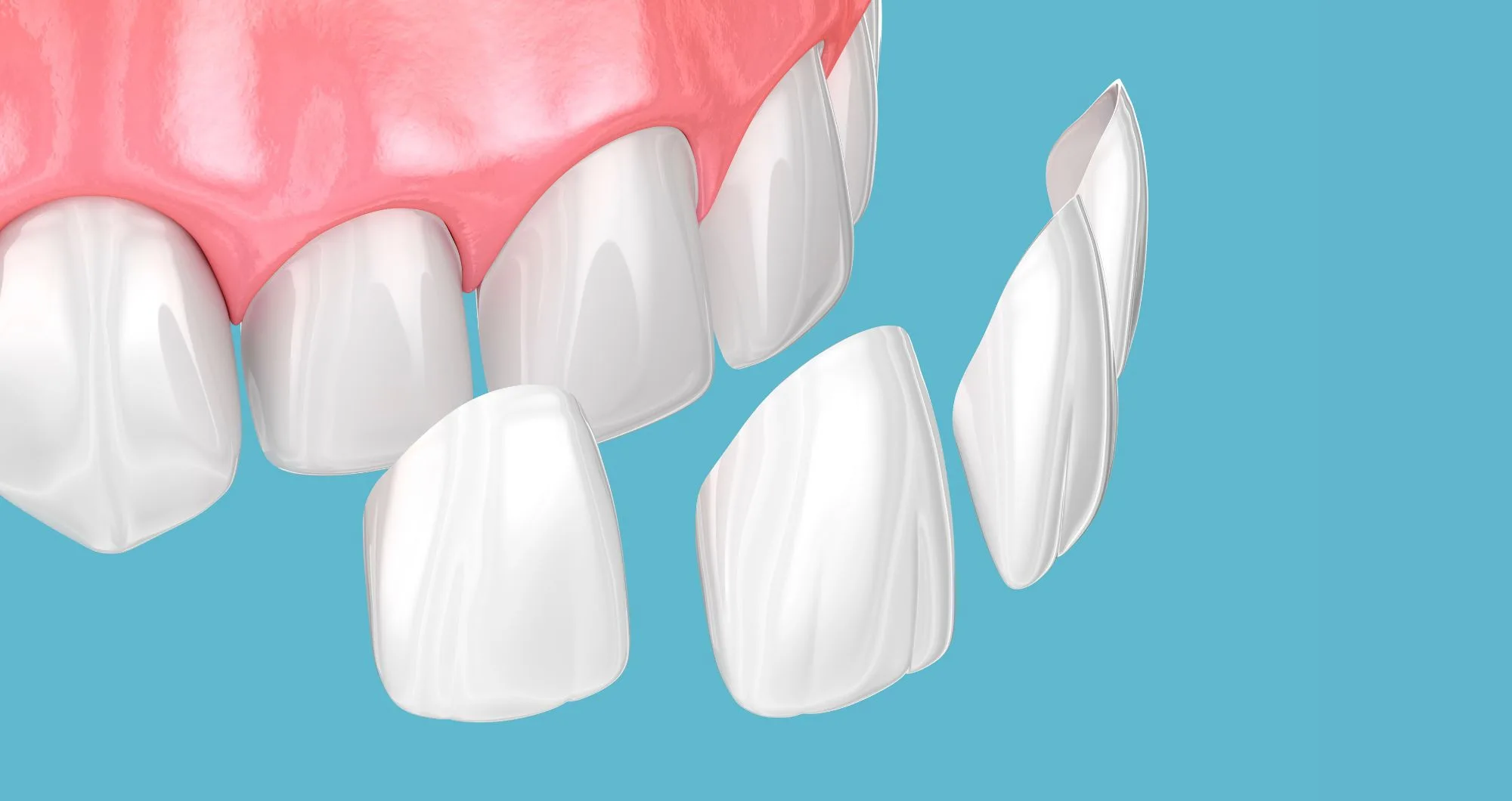

When people are dealing with dental issues, they often have many cosmetic procedures as go-to solutions. When it comes to crooked teeth issues, composite bond for teeth can be a great option to enhance the smiles without opting for a lengthy or invasive treatment. However, people are often puzzled about the effectiveness and relevance of this treatment for their cosmetic concerns. In case you are also confused, you can go through this guide to know if this option is good or not.
Understanding Dental Bonding
Dental or composite bonding is known as a cosmetic dental procedure. This is a nominally invasive treatment that is used to improve the appearance of teeth to make smiles even better. It is a procedure that includes the use of resins matching the colour of your teeth. Orthodontists apply it to the teeth to repair, reshape, and improve the aesthetics and oral functions.
A dentist sculpts, shapes, and polishes the teeth-coloured resin so that it can seamlessly blend with your natural teeth. Composite bonding crooked tooth is an effective solution along with the following:
- Cracked teeth
- Chipped teeth
- Discolouration of teeth
- Minor gaps between teeth
- Unevenness or slight misalignment
Keep in mind that it is a straightforward process where the dentist applies high-quality resins on the affected teeth. After this, they will give a proper shape to it to make it look even more natural. They will let it harden. Once it is done, you will have a better smile that is natural-looking and durable.
Is Composite Bonding a Good Choice for Crooked Teeth?
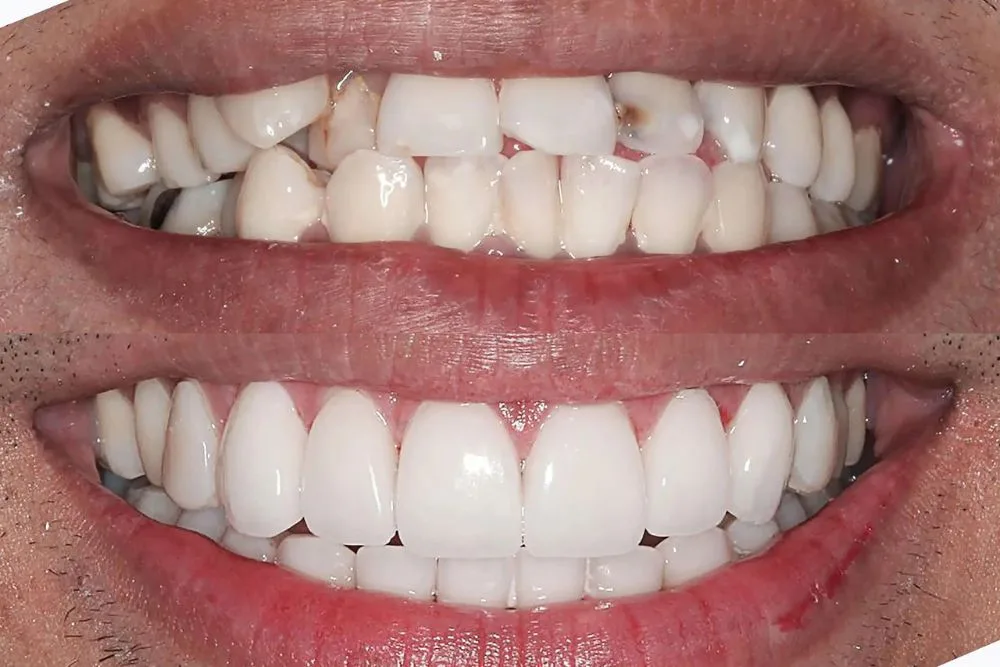
Before you go for this treatment, you should keep in mind that composite bonding is definitely suitable for crooked teeth, but not for every case. With composite dental bonding, you can only improve mild unevenness or misalignments. This can be a primary cosmetic treatment option for the following:
- Slightly crooked teeth.
- Close minor gaps.
- Smooth-out teeth overlap.
How Composite Bonding Corrects a Crooked Tooth?
The composite bonds teeth are considered an innovative technique that is used to achieve straighter and better smiles. When it comes to how it works, look at the following to know better:
-
Reshape and contour
Orthodontists usually place the resins on the crooked tooth. After this, they will use some tools to reshape and contour its surface. They will use techniques that can camouflage the unevenness or misalignment so that teeth’ appearance and overall functions can be improved. Furthermore, they will make the best use of their skills to ensure harmonious alignments.
-
Fill minor gaps
In many instances, a crooked tooth can also be accompanied by spaces or gaps. This is where composite bonding comes as an effective solution. Dentists will close the gaps and create the illusion of a uniform smile. By layering and shaping the resin bonding carefully, the treated tooth will be blended seamlessly with surrounding teeth for a balanced, cohesive, and visually appealing look.
-
Correct size discrepancies
Generally, a crooked tooth exhibits size and related issues. As a result, the smile will look asymmetric and uneven. Cosmetic teeth bonding is a solution that addresses the issue of adjusting the proportions and size. Whether you have a too-large or too-small crooked tooth, composite bond can be used to achieve a perfect smile.
-
Align the angles of teeth
The leaning or protruding angle of the tooth can make the appearance crooked. By applying and sculpting the dental bonding material, it can alter the crooked tooth. These subtle alignments or adjustments can improve the smile’s alignment and overall symmetry. As a result, it will give even more pleasing outcomes.
-
Enhance colour and texture of the teeth
The composite bonding for a crooked tooth is a great solution to improve the textures and colour. Orthodontists will evaluate everything before finalising the composite resin’s shade to match your teeth’s natural hues. After this, they will blend it with the enamel surrounding the crooked tooth. Furthermore, they will also do everything to mimic the natural teeth’ colour and textures to ensure an aesthetic and lifelike finish.
What are the Benefits of Composite Bonding for a Crooked Tooth?
Composite bonding is undeniably a great choice for those who have minor issues with their teeth alignment, spacing, colours, etc. In case you are eligible for this treatment, you can obtain the following benefits:
- Conventional approach: Composite bonding is a conventional approach that is used for correcting minor alignment and spacing issues. Unlike other traditional methods that involve aligners or braces, dental bonding needs nominal alterations to achieve natural structure, shape, and appearance.
- Better aesthetics: A crooked tooth can impact your self-confidence and make you more conscious about your appearance while smiling or speaking. This is where you can take advantage of composite bonding. It will address the issue and reshape the tooth to give better alignment and aesthetics.
- Convenient and quick: Other dental procedures may require multiple visits but this is not the case with composite bonding for a crooked tooth. This makes it a convenient and quick option for those who have a tight schedule. In addition to this, the recovery after the bonding process is also faster. You will not have to wait for several weeks or months to witness noticeable improvements.
- Less discomfort: In other dental treatments, soreness and discomfort are a bit common, especially during the adjustments. However, dental bonding is quite a pain-free process. Yes, you can experience nominal discomfort, but it is generally short-lived, bearable, and mild.
Composite Bonding or Invisalign: Which is Better for Crooked Teeth?
Along with composite bonding, Invisalign is known as a solid alternative to treat crooked teeth and other structural issues. However, you should know the following before choosing one:
- Dental bonding is non-invasive, quick, and reasonably priced but only suitable for minor concerns.
- Invisible braces or Invisalign can take time and may cost you a little more.
- The cosmetic fixes of composite bonding are limited as it does not address bite and are related concerns.
- Invisalign, on the other hand, can be the best solution for major alignment issues.
In a Nutshell,
By trying composite bond for teeth, you can take your first step toward making your smile even more beautiful. Since it is an excellent choice to manage cosmetic imperfections and mild crookedness, you must discuss everything with a certified orthodontist. For this, count on Complete Smiles.