

Once construction work is underway, any changes to the project scope can become incredibly problematic and costly.
The more efficiently the planning process is carried out, the more it is going to keep problems at bay once the project reaches the jobsite.
This is exactly why digital prototyping is quickly taking over traditional drawings. In fact, the market is expected to grow by almost 200% between now and 2034, so it’s clear that this is only the beginning.
What is a Digital Prototype?
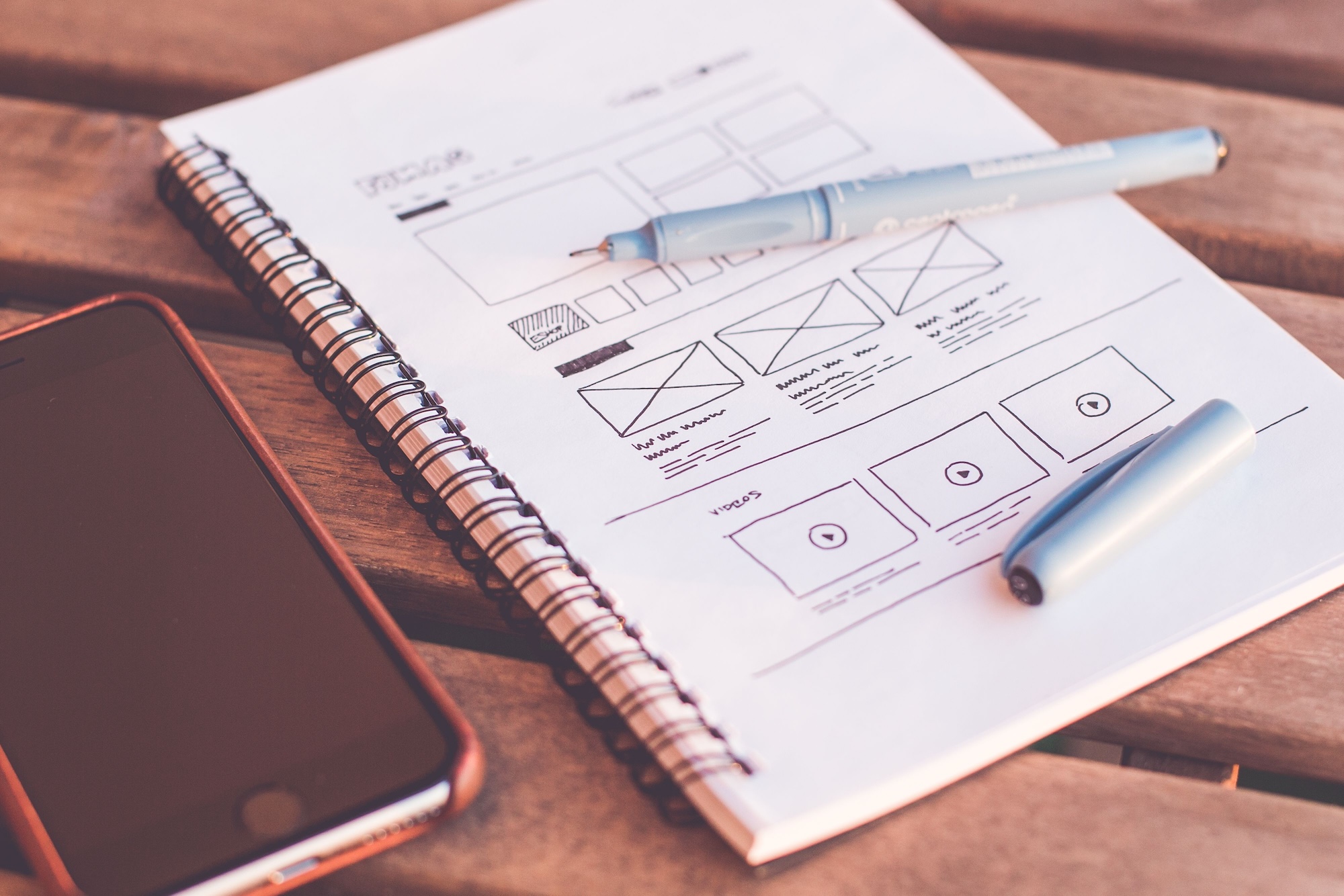
Before getting stuck straight into a construction project, a digital prototype can be created to give a clearer idea of what can be expected once the build has been completed.
This will be in the form of a digital mockup which allows the customer to visualise how the final outcome could look. Unlike a paper version, this gives a more comprehensive view with more realistic features.
Let’s take an example. If a new building has been outsourced, the construction business will be able to create a digital prototype that shows the foundations, layout, and the materials. From here, the customer can request any changes to the project plan and play around with different options before physical work kicks off.
How Digital Prototypes Can Be Used to Prevent Problems
As well as being a nice touch for clients, the creation of digital prototypes can offer practical benefits from the start to the finish of a construction project.
The visibility that a prototype gives allows tweaks to be made before any physical work is carried out, preventing problems from arising on the jobsite.
Spot flaws early on
When working based on traditional paper-based diagrams and drawings, it can be easy to overlook problems that may be hidden in plain sight.
When a digital prototype is available, it gives a 360-degree view that can be analysed in detail. This makes it much easier to spot any inaccurate measurements or incompatibilities before materials are ordered and work gets underway.
Build visuals quickly
Manually drawing up project plans is incredibly time-consuming. This is where rapid application development has transformed how construction businesses kick off their projects.
Having the option to create a prototype, test it, and make changes in a fraction of the time it would take to do manually has allowed teams to create a project plan they’re happy with without holding up the entire timeline.
Test different options
The process of creating a digital prototype means there is much more flexibility to stray from the original plan. Not having the restriction of changes being incredibly time-consuming means more time is available to ensure the design is as good as it can be.
Creating various prototypes, each showing a slightly different layout or material, allows different options to be fully discussed and weighed up before construction work goes ahead.
Align customer expectations
When people work with a construction company for the first time, there can be a lot more aspects to consider than may have initially met the eye. If a customer comes in with an exact vision, but this is not feasible, it may be tricky for them to visualise an alternative.
Presenting customers with a digital prototype shows how the finished product would look from different angles, ensuring that both the customer and the provider are on the same page about the final outcome.
Weighing Up the Investment of Digital Prototypes
One of the biggest reluctances around digital prototypes is the cost. From the perspective of a construction business, the tools needed require an initial investment that may seem intimidating if they have not explored digital prototypes previously.
However, sticking to traditional paper-based plans can actually result in higher costs down the line. Firstly, the amount of time required to go down this route means a lot of resources are being used up, especially if changes are needed. Secondly, the costs that could be incurred should a problem occur on site can quickly add up if new materials are needed or if it results in delays. This is more likely to be avoided if said issue is spotted in the planning phase.
Not every construction project is going to require a digital prototype. For small-scale jobs that stick to a relatively straightforward structure, the cost weigh-up is likely to lean away from prototyping, but as soon as added layers of complexity come into play, the investment can quickly pay itself off.
Keeping Expensive Problems at Bay on Site
The construction industry is quickly moving away from traditional plans and towards digital prototyping. As technology develops and businesses are able to save hours of time while creating more advanced project plans, it feels like a no-brainer.
Although the initial investment isn’t going to suit the nature of every single project, the money that can be saved from costly rework or material waste can quickly add up and result in more profitable projects for construction companies.







