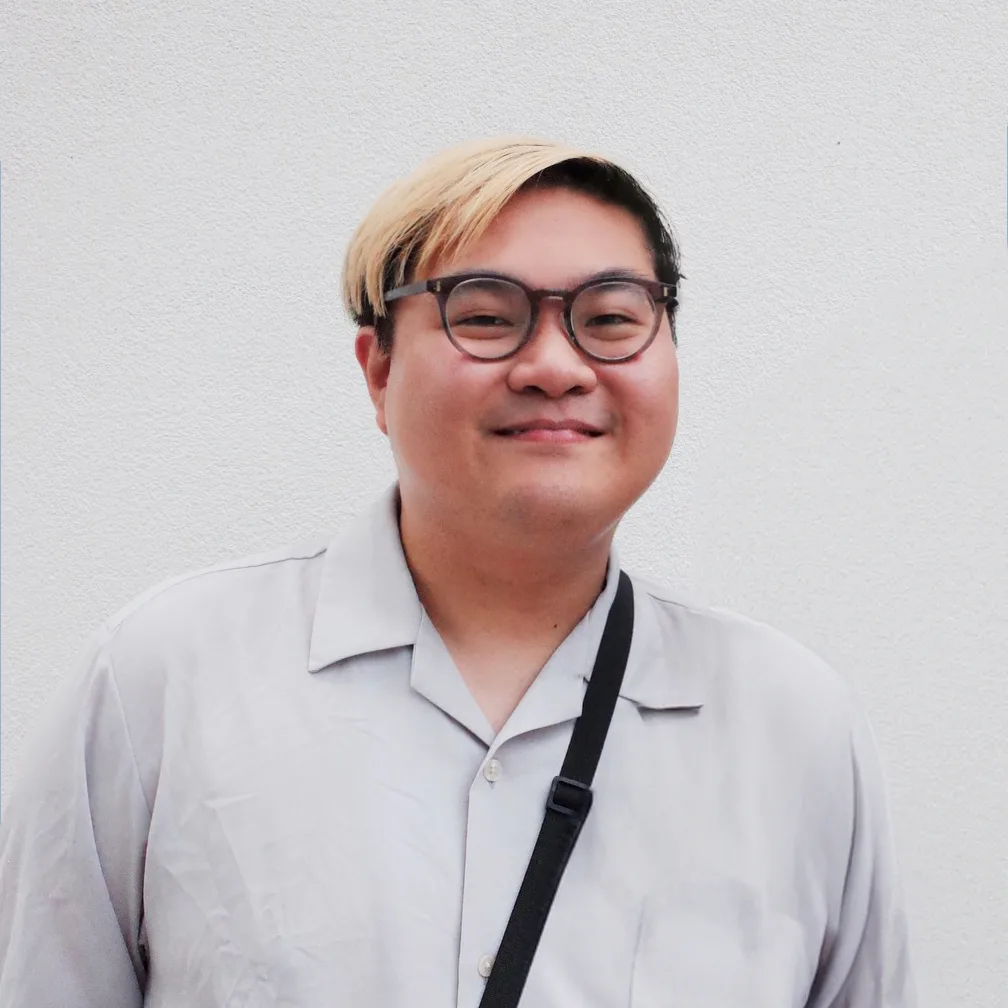
Munus Shih (he/they) is a Taiwanese Hakka creative technologist, artist, teacher, and organiser based in Brooklyn, NY, whose work sits at the intersection of art, design, and code. Their professional journey, marked by collaborations with prominent institutions and a deep commitment to open-source principles, offers a compelling perspective on the evolving role of graphic design and technology in shaping societal values and fostering informed communities.
Shih’s expertise spans generative design and website development, with a diverse client portfolio including the New Museum, the American Institute of Graphic Arts (AIGA), XR, Amazon, Okta, and the New York Review of Books. As an artist, they leverage code to explore themes of identity politics, solidarity economies, and decolonial teaching, showcasing their work at prestigious platforms like the New INC x New Museum DEMO Festival, the Processing Foundation 2023 Fellowship, and the Taiwanese Hakka Affairs Council.
Beyond client work, Shih champions open-source initiatives, co-developing the beginner-friendly zine-coding JavaScript library p5.genzine and contributing to projects like p5.js and mechanic design. Their dedication to education is evident in their teaching roles at Parsons and Cooper, where they lead courses on Critical Computation, Interaction Design, and Product Design. They are also a sought-after speaker and workshop facilitator, having presented at SVA, Creative Coding Festival, Type Electives, Google Dev Festival, and Type@Cooper. Furthermore, Shih co-organized the 2023 Processing Community Day Taiwan, demonstrating their commitment to fostering a global creative coding community.

Duty Free: Reimagining Value Through Design
A pivotal project highlighting Shih’s approach is “Duty Free,” an installation developed within the NEW INC incubator program at the New Museum, in collaboration with Nikki. “Duty Free” acts as a microcosm of alternative economic models, challenging conventional notions of labour valuation within the design industry.
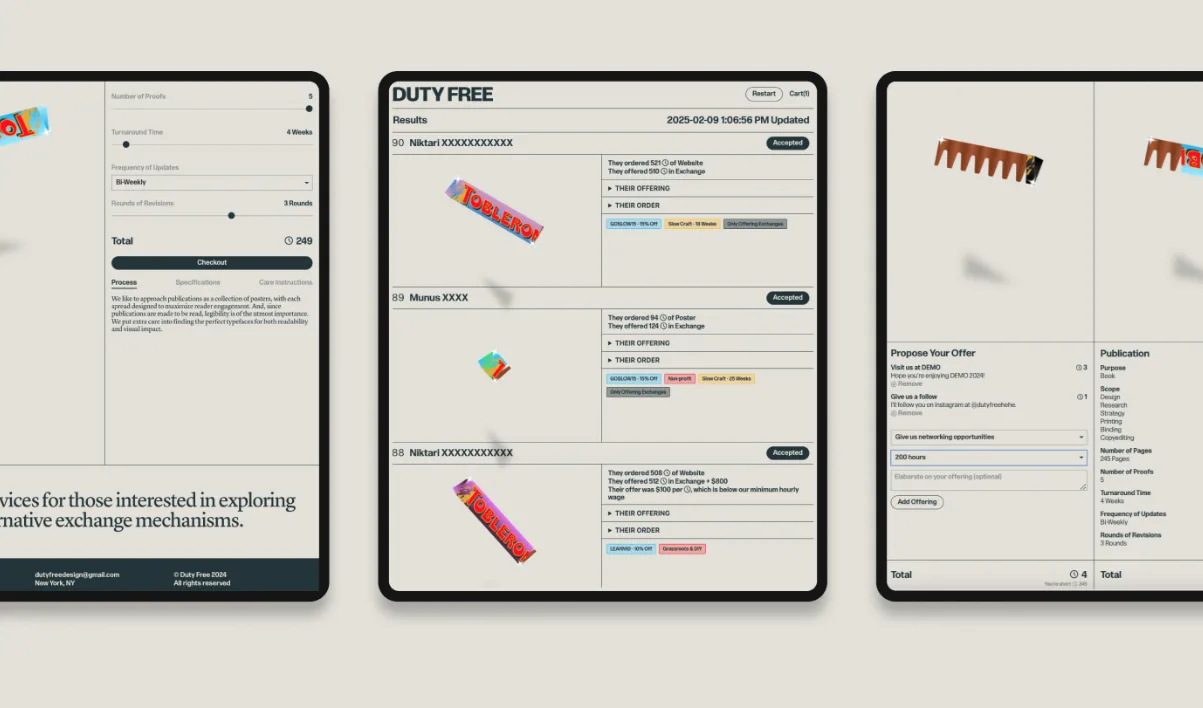
“Nikki and I created an installation titled Duty Free showcased at NEW INC x New Museum’s 2024 Festival,” Shih explains. “The installation allows visitors to ‘purchase’ our design services through a hacked iPad. These services included posters, websites, motion graphics, and more, with customisable parameters such as turnaround time, revision rounds, and project complexity.”
The installation’s visual centrepiece is a parametric Toblerone, a nod to duty-free stores, dynamically adjusting based on user inputs. This playful element sets the stage for a crucial shift: instead of monetary value, the system introduces time banking. “Instead of paying with money, users ‘paid’ by offering hours of their own labour—things like cooking, lending books, or providing other skills in return for design services,” Shih details. “If a project required 300 hours of work, the exchange would need to be equivalent in hours rather than dollars.” A custom-built receipt printer finalises each transaction, archiving these exchanges, while a glossary evolves, capturing insights into the diverse skills users offer.
“Duty Free” marked the debut of Free99, Shih and Nikki’s research, design, and development collective. “We challenge traditional ideas of labor valuation in the design industry,” Shih emphasises. “Graphic design is often entangled with capitalism, seen as a commercial art form rather than a tool for systemic change. However, our collective aims to reframe it as something more—a mechanism for rethinking value, labor, and exchange beyond financial transactions.” The name Free99 itself is a clever commentary on consumer marketing tactics, playing with the allure of “free” while subtly acknowledging psychological pricing strategies.
The project’s participatory and data-driven nature proved particularly insightful. By collecting and analysing user-proposed exchanges, Free99 built an open dataset reflecting how people assign value to different types of labour. “Initially, some were sceptical about time banking, thinking that exchanging 100 hours for design work was unrealistic,” Shih notes. “But once the installation launched at NEW INC’s Demo Day, we saw people naturally finding ways to make it work—offering risograph printing in exchange for branding, or trading website development for poster design.”
This unexpected engagement reinforced Shih’s belief that graphic design can transcend its commercial applications. “Graphic design isn’t just a commercial tool—it can be a framework for world-building, social critique, and alternative economies,” Shih asserts. “By making abstract labour dynamics tangible, we encouraged people to question how they value their own work and contributions. In the end, design became not just a medium of communication but a tool for reimagining systems and fostering an informed, engaged society.”
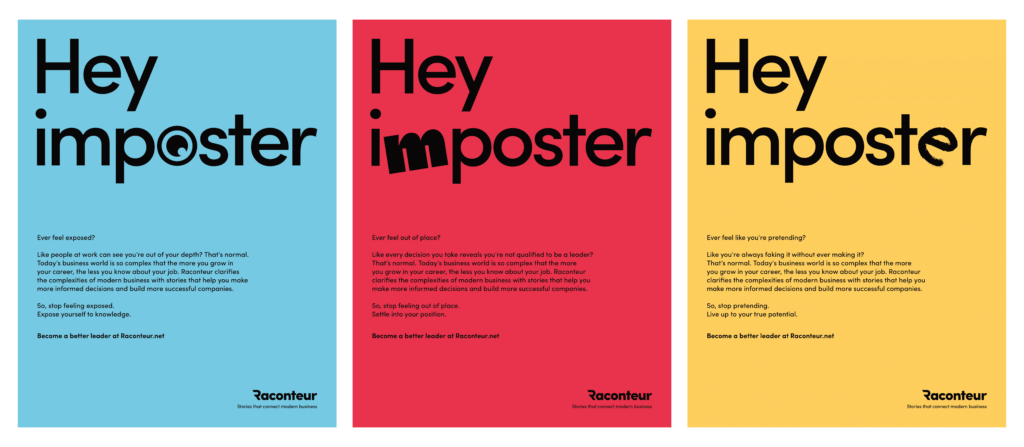
The Rise of Visual Learning and the Ethics of Design
Shih acknowledges the profound impact of social media on visual consumption. “With the rise of social media, I feel like it’s harder to argue that only certain people are visual learners. In the past, creatives might have identified as visual thinkers, but now, it feels like everyone is a visual learner. We’re constantly bombarded with images, graphics, and visual identities—it’s inescapable.”
The seamless integration of advertising on platforms like Instagram and Pinterest blurs the lines between organic content and sponsored posts, raising critical ethical questions. “One of design’s strengths is its ability to distil complex information into something practical, but where do we draw the line?” Shih asks, highlighting the dangers of dark patterns in UX. “Concepts like dark patterns in UX, for instance, manipulate users into actions they may not fully consent to—whether it’s unknowingly subscribing to a service or clicking on an ad disguised as organic content.”
Free99 actively addresses these ethical concerns by critically examining design’s societal impact. “In design school, these topics were discussed, but I don’t think most people fully grasp the consequences of these practices,” Shih reflects. “It’s something worth examining more closely.”
The Genesis of Free99: Combining Powers for Social Justice
The formation of Free99 stems from Shih and Nikki’s shared expertise and commitment to social justice. “Nikki and I are both designers, coders, and educators, so it felt like a ‘powers combined’ moment,” Shih explains. “Free99 began as a way to merge our professional practice with our commitment to social justice. While many of our current projects are commissioned, we are equally dedicated to incorporating research and critical discourse into our work.”
Recognising the importance of financial sustainability, Free99 strives to balance creative integrity with economic viability. This delicate balance reflects a growing awareness within the design community of the need to align professional practice with ethical principles and social responsibility.
Munus Shih’s multifaceted career serves as an inspiration for those seeking to leverage design and technology for positive change. By questioning conventional norms and exploring alternative models, they challenge us to reimagine the role of design in shaping a more informed, equitable, and engaged society. Their work emphasises the critical need for designers to be not only skilled practitioners but also ethical stewards of visual communication in an increasingly complex and data-driven world.