

Dutch consumer and digital-rights organisations have asked a court to halt sales of Meta’s camera-equipped smart glasses in the Netherlands, arguing that the devices allow people to be filmed without their knowledge and breach European privacy law.
The Amsterdam District Court heard the civil case on Thursday, 26 November. A decision is expected no later than 24 December. The hearing did not result in a sales ban or a finding that the glasses are unlawful.
Consumentenbond, Offlimits and The Firewall are seeking changes to the glasses and their operation, alongside restrictions on how recordings are used. Meta disputes their allegations, while its manufacturing partner, EssilorLuxottica, says it neither processes nor has access to the footage.
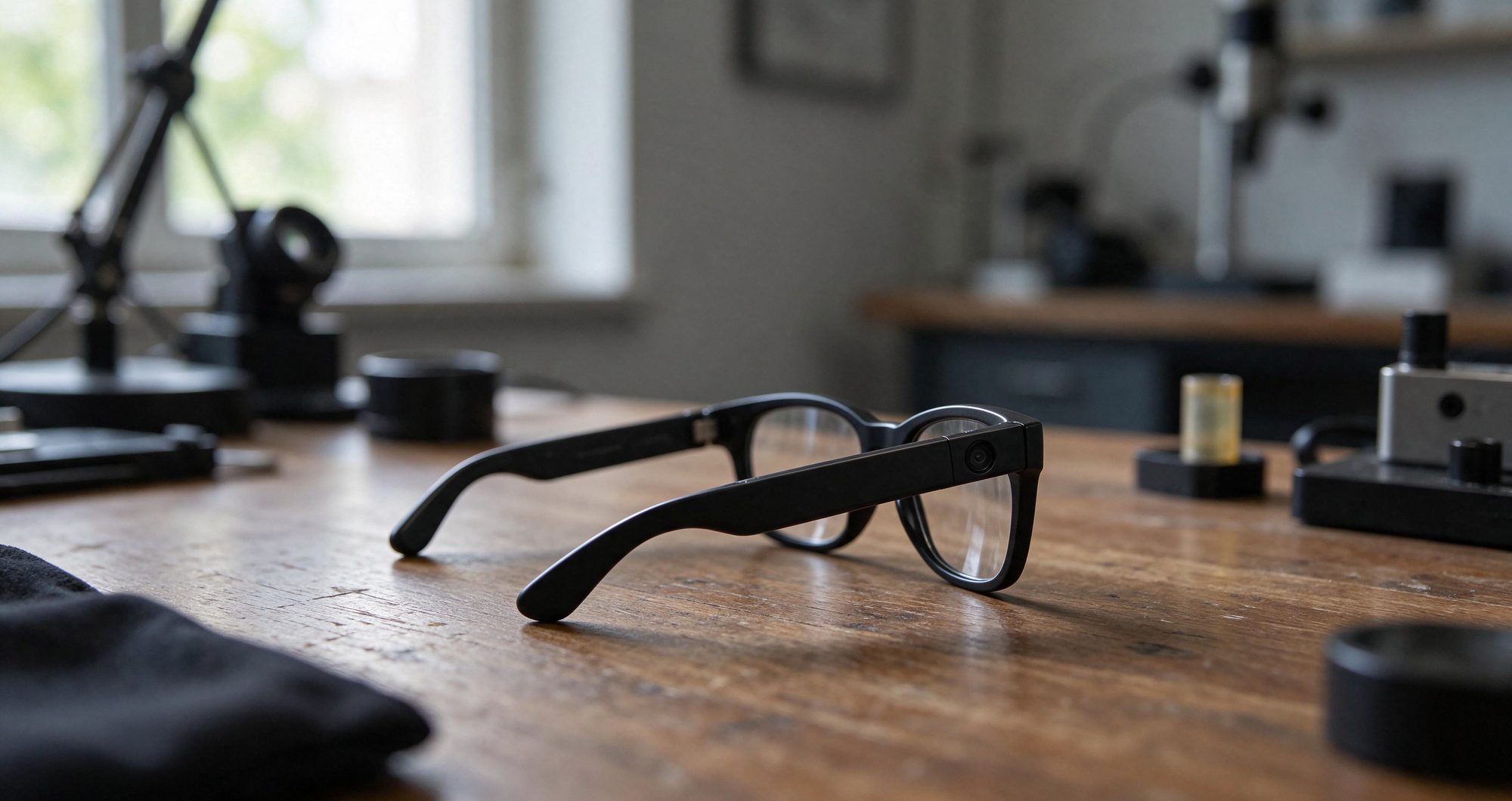
The case concerns glasses developed by Meta with EssilorLuxottica, the company behind Ray-Ban. A small camera built into the frame can take photographs and video, with an indicator light intended to alert other people when recording is taking place.
Dispute over recording safeguards
The organisations argue that the light does not always provide an adequate warning. They say people may not notice it even when it is uncovered, including in bright sunlight, leaving bystanders unaware that they are being recorded.
Offlimits, which campaigns against online sexual abuse, raised concerns in court about covert recording in places where people expect privacy. Its lawyers argued that the technology could be misused in changing rooms, hospitals and other sensitive settings.
Meta says the glasses are not designed or marketed as a covert recording device. It describes their ordinary uses as taking hands-free photographs, listening to music, making calls and asking questions of an artificial intelligence assistant.
The company also says safeguards prevent recording when the indicator light is covered. Its lawyer, Bastiaan Kemp, argued that a product provider could not be held responsible for every instance of deliberate misuse and said the illuminated light made recording apparent.
Meta maintains that the measures sought would harm legitimate users and its competitive position, while failing to address comparable devices sold by other manufacturers. EssilorLuxottica’s lawyer likewise argued that a sales ban would be disproportionate and ineffective.
Restrictions sought, not imposed
The plaintiffs want Meta to prevent recording without people’s knowledge, stop recordings being used to train AI models and halt Dutch sales until the company complies with privacy requirements. They requested penalties for non-compliance of €100,000 per defendant per day, capped at €100 million. These are requested penalties, not fines imposed by the court.
Meta’s lawyer denied allegations that the company processes images recorded by the glasses in Europe, or uses them to train AI models, in breach of European law. The parties’ competing claims about data processing remain unresolved.
In its statement announcing the proceedings in October, Consumentenbond said it wanted the glasses and their default settings changed to comply with privacy legislation. It said a sales prohibition should follow if making the product compliant proved impossible.
The consumer organisation also acknowledged that AI glasses can benefit people who are blind or partially sighted. It called for an exception for medical necessity if a ban were introduced, while maintaining that users’ and bystanders’ privacy must still be protected.
The Netherlands’ privacy regulator, the Autoriteit Persoonsgegevens, has separately advised consumers against buying AI camera glasses and encouraged venues to restrict them through their house rules. Its advice is distinct from a general legal prohibition.
The civil action is limited to the Netherlands. The court must now consider the organisations’ demands and the companies’ objections before deciding whether restrictions are warranted.







