
The car industry is the place where innovation and engineering excellence meet the changing consumer expectations. Cars are not merely a mechanical product anymore, but a complex system, a combination of software, electronics, sustainability and emotional design. End-to-end automotive design has become such an important practice in this dynamic environment that it has helped manufacturers to cope with complexity and build high-quality vehicles that are ready to be put in the market. Since the first idea up to full-scale manufacturing, it is a combined process that guarantees harmony of creativity, engineering and manufacturing. Automobile design starts way back to the time of sketching. It begins with having a profound insight into the market, customer needs and technological trends. Designers and product planners study changing consumer preferences, regulatory environments and innovations in the domain of electrification, connectivity and self-driving systems. These insights are useful to establish the purpose, positioning and identity of a new vehicle. Whether it is the aim to produce a luxury sedan, an electric SUV or a performance-oriented sports car, the clarity at this point forms the basis of all the decisions made in the future.
Having identified the vision, the creative exploration comes into the limelight. The architects are able to translate abstract concepts into visual representations with sketches, computerized images, and initial studies on the surface with the help of sketches. This stage is motivated by fantasy and brand narrative because teams are trying out form, proportion, and character. Not only is the creation of an appealing design the goal, but also the evocation of emotion and the creation of a strong visual identity. Already at this initial stage, the issues of aerodynamics, packaging and ergonomics make their unobtrusive impact on the design decisions, making creativity stay close to reality.
When concepts are moving to a more advanced design and styling development, they graduate. Exterior design aims at establishing a melding of beauty and functionality in the form of surfaces that are attractive as well as aiding in aerodynamic efficiency and functionality. The interior design is becoming more relevant as cars transform into digital interiors. Designers pay attention to convenience, ease of use, the quality of materials, and a unified display interface combination.
User experience becomes a foremost priority, and consideration will be made on how drivers and passengers interact with the car in both the physical and digital space. The technological aspect of empowering teamwork and visualisation is very important in this stage. State of the art 3D modelling tools, virtual reality, and augmented reality enable the evaluation of designs at full scale without having to model them physically. The tools increase the speed of decision-making, save costs and allow global teams to work efficiently.
The design review process becomes more interactive, and it assists the stakeholders to agree on the form, functionality and brand purpose. Design being impressive, the emphasis is put on engineering and feasibility. This stage is necessary in order to make sure that the vehicle is performance capable, safe, and in compliance with the regulatory requirements and cost. Engineers measure structural integrity, powertrain integration, thermal performance and electronic systems. Extremely advanced simulations are employed to determine how the car will perform in the actual world, be it in crashing or in the aerodynamic performance and noise. This digital verification helps to decrease risk and enables problems to be resolved many times before physical prototypes are created. The shift of design to detailed development is a point of transition that is critical in the end-to-end process. Each piece of the vehicle is finely specified, including body parts and chassis as well as wiring harness and software infrastructure. It is due to the selection of the materials in terms of strength, weight, sustainability and cost.
The limits of manufacturing are also well-considered during the design so that the components can be manufactured in large quantities and compressed into the final product with minimal complexity. This tight bonding of design and manufacturing will go a long way in avoiding expensive redesigns at a later stage of the process. Prototyping takes the computerised vehicle to the real world. Early prototypes are used to prove proportions and design intent, whereas later builds are used to test functionality. These cars are exposed to intense testing concerning vast conditions, including extreme temperatures, rough roads, and durability tests. The safety validation is especially stringent, and it guarantees that standards are met worldwide, and also in the real world, the occupants are safeguarded. Testing feedback can be used to make improvements which can improve performance, comfort, and reliability. Design ambition collides with industrial reality in manufacturing planning. The production engineers collaborate with designers and suppliers to establish assembly procedures, tooling, and quality control mechanisms.
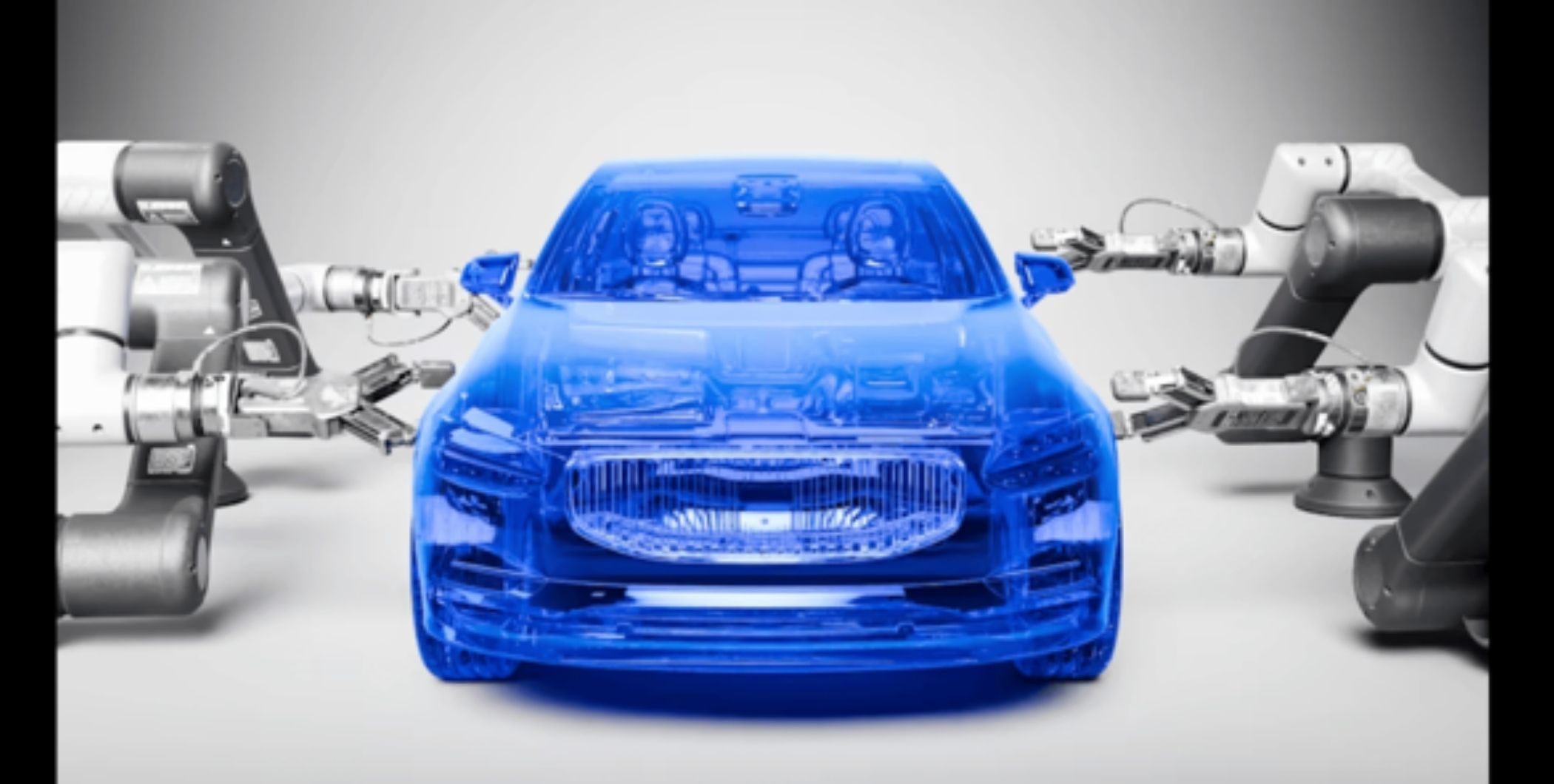
The automotive production today is largely dependent on automation and robotics, as well as monitoring based on data, in order to remain consistent and efficient. Smart factories allow real-time monitoring of manufacturing indicators and allow manufacturers to detect problems at an early stage and keep quality standards at high levels, even in large volumes of production. Sustainability is also becoming more and more significant, and the attempts are aimed at minimising waste, energy usage, and the impact on the environment. The end-to-end design process provides value even as vehicles advance towards full production.
The quality control measure is a system that oversees each assembly phase to make sure that no vehicle is of inferior quality. As soon as vehicles are sold to customers, real-life statistics and feedback give very important suggestions about the performance, usability, and reliability in the long run. The modern connected vehicle system enables manufacturers to do this with software updates and over-the-air improvements: manufacturers can add value to the product and fix issues even post-delivery, which enhances the overall lifecycle value of their product. End-to-end automotive design is a radical transformation in the way vehicles are designed. This strategy is not a case of silo-based design, engineering, and manufacturing, but an emphasis on collaboration, transparency, and constant feedback. With all the steps of the development incorporated into a single work process, automakers will be able to react to changes in the market faster, shorten the development cycle, and produce vehicles much closer to the expectations of their customers. This is because, in a period of accelerated technological advancement and stiff competition, the success of a car is not merely based on its appearance or performance, but rather its ability to be marketed successfully.
End-to-end automotive design helps manufacturers to face complexities with a sense of comfort, transforming ambitious concepts into vehicles that are innovatively manufactured, reliable, and purposeful in production. This holistic approach will be a principal pillar of automotive excellence as the industry keeps on developing, and it will determine the future of mobility in designing all the way to production.