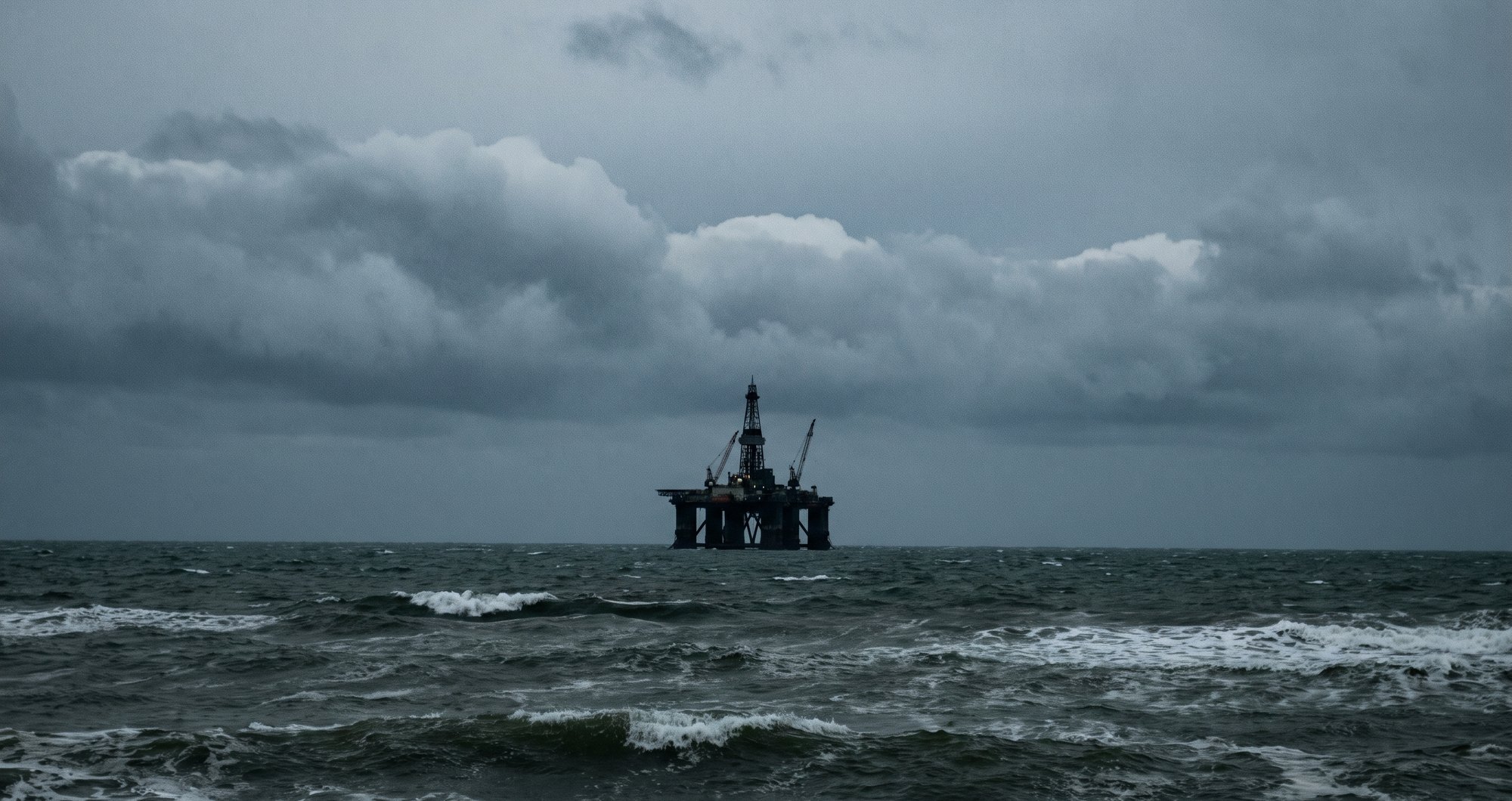

The Government has introduced legislation that would strip the regulator of its power to grant new oil and gas licences in the North Sea, a move that has prompted a public break between the UK and Scotland’s First Minister.
The Energy Independence Bill, introduced in the House of Commons on 4 November 2026 by Energy Secretary Miatta Fahnbulleh, would remove the North Sea Transition Authority’s ability to issue fresh oil and gas licences, the Government said. The measure implements a Labour manifesto commitment not to grant permission for new fields.
What the bill would do
The wide ranging bill would also formally scrap gas standing charges, introduce reforms intended to speed up grid connections, and include provisions aimed at boosting community energy, the Government said. The legislation, the Government added, could still allow about 60 million barrels of oil from additional production within existing field boundaries or nearby areas, a figure described by ministers as their own estimate. The Government said that could support hundreds of jobs.
The change would not affect Rosebank, the large field off Shetland that was approved in 2022 and remains subject to legal challenges, the Government said. It is unclear whether the First Minister’s comments amount to support for Rosebank: Mr Swinney has repeatedly declined to say, and that absence of clarity was noted by those observing the debate.
Political reaction in Scotland
John Swinney told MSPs at Holyrood on 5 November that he did not support the licensing provisions, arguing that fossil fuels would be required ‘for some years to come’ and that there was a ‘rational basis’ for considering developments in UK waters if they produce lower carbon emissions than imported oil and gas. He said the Scottish Government supported several other measures in the bill but not the change to new licences, and that the SNP will seek to remove the ban and otherwise oppose the legislation.
The Scottish Government’s 2023 energy strategy had set out a presumption against new oil and gas drilling. Scottish Greens co leader Gillian Mackay described Mr Swinney’s position as a ‘shocking U turn’, the Greens said. Reform UK Scotland leader Malcolm Offord welcomed the First Minister’s remarks, the party said.
Energy Secretary Miatta Fahnbulleh said the bill would help ‘build a clean energy future which people feel in their pockets, households and communities’. The Government presented the measure as a balance between delivering on its manifesto promise and managing energy security and jobs in the transition.
Those behind the legislation argue that limiting new licences will send a market signal consistent with net zero commitments, while maintaining scope for incremental production near existing fields. Critics in Scotland contend the move risks depriving local economies of work where viable projects meet environmental tests, and they point to the Government’s own estimate of 60 million barrels as an example of the trade offs involved.
The bill had its first reading in the Commons and is progressing through Parliament, with a second reading to follow, the Government said. The Commons timetable has not been fixed and passage of the Bill is not assured, particularly if the SNP and other parties press for changes or oppose it outright.
Legal challenges to previously approved projects, including Rosebank, remain live and could affect the scope of future production irrespective of the licensing change, observers noted. The Government’s estimate of additional production within existing boundaries is subject to commercial and regulatory uncertainty.
With the Scottish Government indicating it will seek to remove the licensing ban and the UK Government pressing ahead with its manifesto pledge, the issue is likely to be a focal point in debates over energy policy and devolution. The coming Commons debates and any amendments tabled by MPs or peers will determine whether the bill’s licensing provisions survive in their present form.