
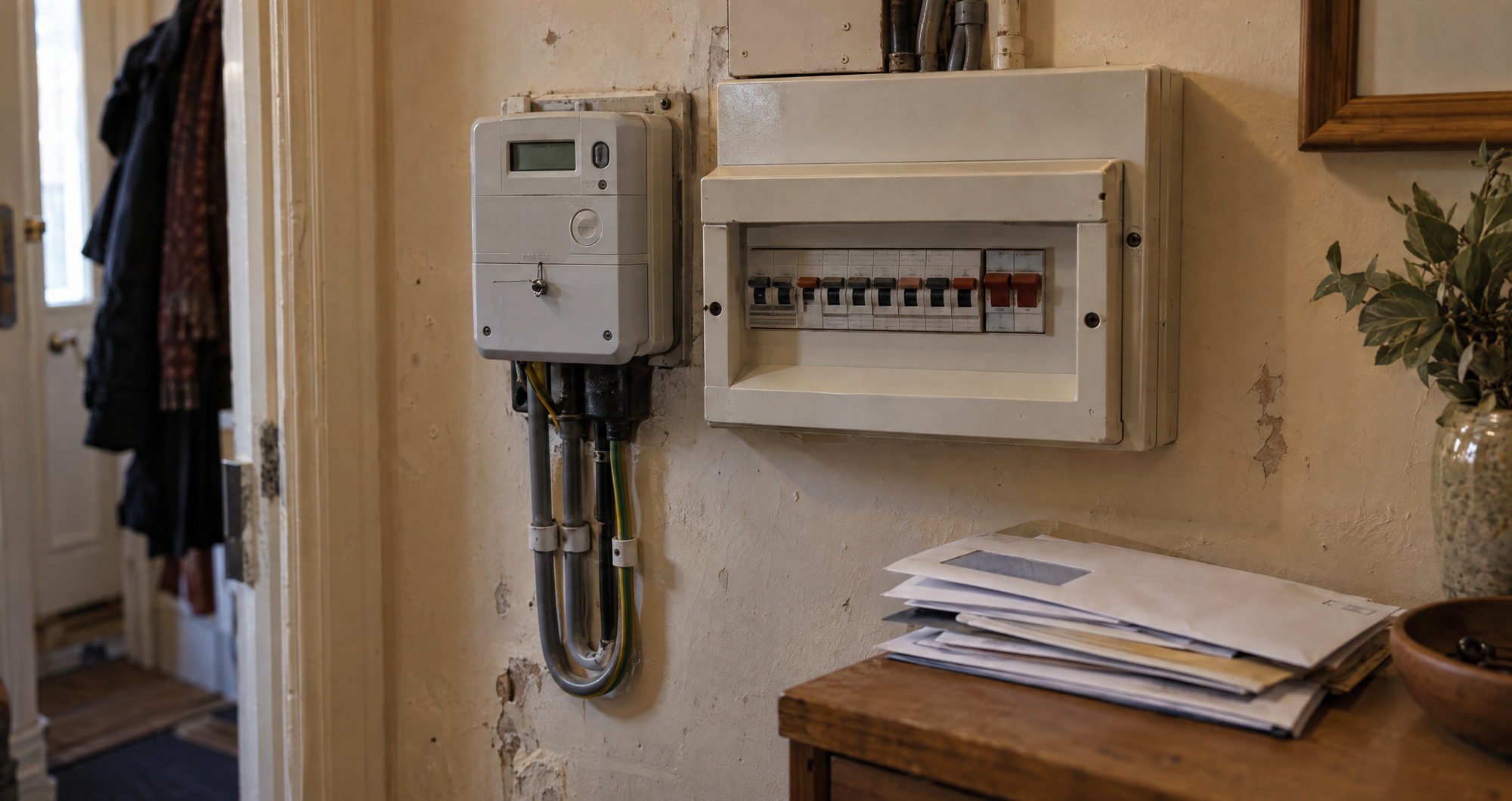

Energy Secretary Miatta Fahnbulleh has said affordability is her “overriding objective”, as ministers prepare for a predicted January increase in energy bills that would be the biggest in four years. She argued that cutting household costs is essential to maintaining public consent for action on climate change.
In an interview broadcast on the evening of 9 November 2026, Fahnbulleh defended cleaner domestic electricity as a way to reduce exposure to global fossil fuel markets. But she acknowledged that the drive to cut emissions is “under pressure” as discontent over energy prices tests support for the transition.
The interview, recorded the previous week, sets out the tension facing the government’s energy policy: ministers want to change how Britain generates electricity while demonstrating that the change can make everyday life more affordable. The expected January rise remains a prediction, rather than a confirmed increase.
For London households, as elsewhere in the country, the immediate issue is the cost of keeping homes warm and powered. UK households already pay one of the highest electricity rates in Europe, making the prospect of a further increase particularly relevant to family budgets.
Bills and public consent
Fahnbulleh described cleaner domestic power as “one of our routes to delivering affordability”. Her argument is that reducing the UK’s reliance on global fossil fuel markets would help separate household energy costs from prices over which the government has little control.
That distinction matters because electricity and fossil fuel prices are connected. Gas is used to generate electricity, so movements in fuel costs can affect the price of power as well as the cost of heating homes. Producing more electricity from clean sources is intended to reduce that exposure.
It does not, however, make the predicted January increase any less immediate for households. The secretary’s case concerns the direction of the energy system, while consumers face bills under the system operating now. Her emphasis on affordability places the practical experience of paying for energy at the centre of the government’s argument for change.
By linking lower bills to public consent, Fahnbulleh also acknowledged that climate policy cannot be judged solely by progress in cutting emissions. Her comments suggest that maintaining support depends on whether people see the transition as compatible with their financial circumstances, rather than as a separate environmental undertaking.
The interview did not establish the size of the expected January increase. The comparison with the biggest rise in four years describes ministers’ expectation, not a confirmed outcome. That leaves households facing uncertainty about how much more they may have to pay.
Clean power target tested
Fahnbulleh acknowledged that the government’s target of obtaining 95 per cent of electricity from clean sources by 2030 is “a stretch”. That assessment recognises the difficulty of delivering the ambition while ministers also face pressure to address the cost of energy.
The target concerns electricity generation, rather than every form of energy used across the economy. Heating and transport also contribute to emissions, so a cleaner power system would be part of the wider effort to cut them, not the whole of it.
Her remarks follow criticism from green groups over the diversion of energy department funding to defence. That dispute adds a question about government priorities to the debate over how quickly the clean power agenda can be delivered.
Ministers also approved drilling at the Jackdaw gas field last month, while a decision on Rosebank remains pending. Those decisions form a separate but related part of the policy picture: the government is pursuing cleaner electricity while continuing to consider the role of domestic fossil fuel production.
The next tests are therefore both practical and political. The January bill outlook will determine the immediate pressure on household budgets, while the outstanding Rosebank decision will provide another indication of the government’s approach to fossil fuels. Neither the eventual bill increase nor that decision is yet settled, leaving affordability as the central promise against which Fahnbulleh’s agenda will be judged.







