
Navigating through the bustling city streets, one cannot help but notice the vibrant parade of vehicles adorned with eye-catching designs. This visual spectacle is not merely a display of artistic expression; it’s a strategic business move. In a world where brand visibility equates to opportunity, the art of car signage stands out as a dynamic marketing tool.
1. The Essence of Vehicle Branding
Vehicle branding transcends the traditional confines of marketing, offering a unique blend of mobility and visibility. At its core, it involves adorning company vehicles with striking van graphics or comprehensive vehicle wrapping, effectively transforming them into roving billboards. This tactic not only elevates brand visibility but also creates a dynamic, moving canvas that captures public attention in various locations.
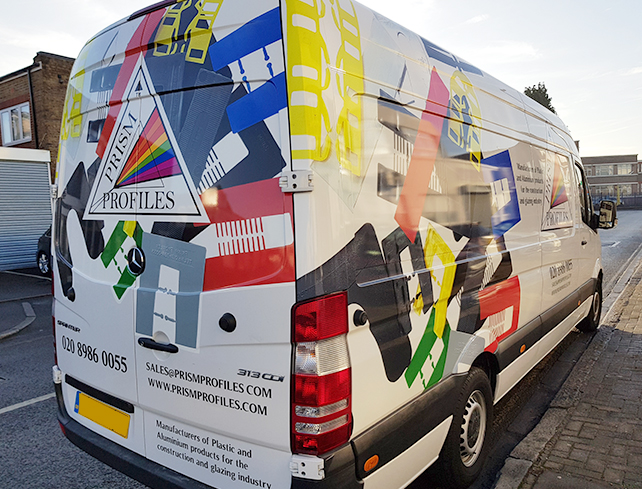
- Understanding Brand Identity: The first step in vehicle branding is to thoroughly understand the brand’s identity – its values, message, and target audience. This knowledge shapes the design, ensuring it resonates with the intended demographic.
- Maximizing Visibility: Location and frequency of travel are critical. Fleets that traverse high-traffic areas offer greater exposure, making them ideal for impactful branding.
- Measuring Impact: It’s essential to track the effectiveness of vehicle branding campaigns, using metrics like increased website traffic, higher call volumes, or enhanced social media engagement as indicators of success.
2. Designing for Impact
The design process for car signage is pivotal in determining its effectiveness. It’s a careful balance of aesthetics, brand messaging, and practicality. A well-designed vehicle graphic can turn heads and etch the brand into public consciousness.
- Crafting the Visual Message: The design should succinctly convey the brand’s message. It needs to be instantly recognizable and memorable, even when glimpsed briefly on a moving vehicle.
- Color and Typography: Choosing the right color palette and typography can significantly influence the design’s impact. Colors should align with the brand’s identity, while typography must be legible, even from a distance.
- Scalability and Adaptability: Designs must be scalable and adaptable across different vehicle types and sizes. Consistency in branding across a fleet is key to reinforcing the brand image.
3. The Technicalities of Vehicle Wrapping
The process of vehicle wrapping involves meticulous technical expertise. It’s not just about the design, but also about the material quality, application technique, and durability of the wrap.
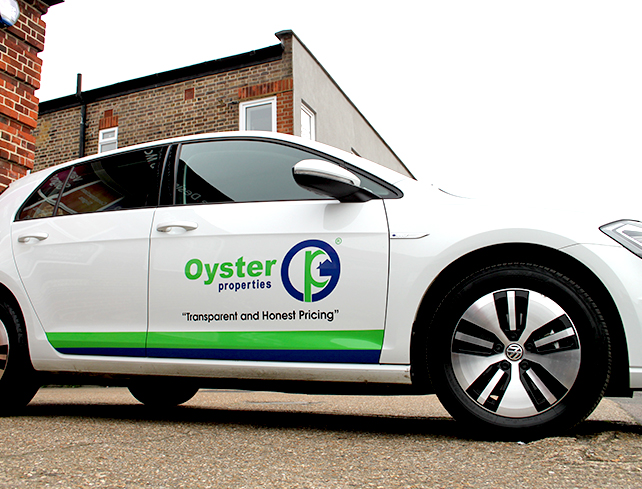
- Material Selection: High-quality vinyl is crucial for a long-lasting and vibrant wrap. Factors like weather resistance and ease of removal play a significant role in material selection.
- Precision in Application: The application of the vinyl wrap requires precision. This includes thorough cleaning of the vehicle surface, careful alignment, and avoidance of bubbles or wrinkles, which can detract from the visual appeal.
- Maintenance and Durability: Post-application, maintenance advice should be provided to ensure the longevity of the wrap. This includes guidelines on cleaning and protecting the vehicle from environmental factors.
4. Cost-Effectiveness and ROI
Investing in van graphics and vehicle wrapping is not just about aesthetic enhancement; it’s a strategic financial decision. The cost-effectiveness of vehicle branding becomes apparent when its long-term benefits are weighed against initial investment costs. This form of advertising offers a unique combination of wide reach and sustained presence at a relatively low cost.
- Long-Term Visibility: Unlike other forms of advertising that require ongoing expenses, vehicle branding is a one-time investment that offers continuous exposure over several years.
- Comparative Cost Analysis: When compared to other marketing strategies like digital ads or billboards, vehicle branding often emerges as a more affordable and effective option, providing a higher and more sustained return on investment.
- Real-World ROI Examples: Businesses have reported significant increases in brand recognition and customer inquiries following the implementation of effective vehicle wrapping campaigns. These tangible results highlight the ROI potential of this marketing approach.
5. Legal Considerations and Best Practices
While vehicle branding offers significant marketing advantages, it’s essential to navigate the legal landscape carefully. Different regions may have specific regulations governing car signage, and it’s crucial for businesses to remain compliant to avoid potential fines or legal issues.
- Compliance with Local Laws: Understanding and adhering to local laws regarding vehicle advertising is essential. This might include restrictions on size, content, or placement of the graphics.
- Safety Considerations: Safety should never be compromised. Designs must not obstruct the driver’s view or distract other road users.
- Sustainability Practices: With increasing focus on environmental responsibility, choosing eco-friendly materials and practices can not only comply with regulations but also enhance the brand’s image as a responsible entity.
6. Integrating Digital Technology with Vehicle Branding
The intersection of digital technology and traditional vehicle branding opens up new frontiers for interactive and dynamic advertising. This synergy is transforming car signage from a static display into a cutting-edge, interactive marketing tool.
- QR Codes and NFC Technology: Incorporating QR codes or NFC (Near Field Communication) tags in vehicle wrapping designs can bridge the gap between physical and digital marketing. Passersby can scan these elements to access websites, promotional offers, or social media pages, increasing engagement.
- Analytics and Tracking: Advanced GPS and tracking technologies can be integrated to gather data on the vehicle’s routes and the number of impressions made in different areas. This data can be invaluable for refining marketing strategies and understanding audience reach.
7. The Evolution of Design Trends in Vehicle Branding
Staying abreast of the evolving design trends in vehicle branding is crucial for businesses to remain relevant and appealing. As trends shift, so should the strategies for van graphics and vehicle wrapping to captivate the target audience effectively.
- Minimalist Designs: A trend towards minimalism in design can be seen, focusing on simplicity and clean lines. This approach often results in more elegant and easily recognizable branding.
- Bold and Vibrant Colours: To stand out in the urban jungle, brands are increasingly opting for bold and vibrant colours. These designs are more likely to catch the eye of pedestrians and other drivers, making a lasting impression.
- Eco-friendly Materials and Messages: With growing environmental consciousness, the use of eco-friendly materials and incorporating green messages in the design can resonate well with the audience, fostering a positive brand image.
Conclusion: Driving Your Brand Forward
In conclusion, the realm of car signage and vehicle wrapping presents businesses with an unparalleled opportunity to elevate their brand presence on the move. From the meticulous design process to the thoughtful execution of van graphics, each step in this journey contributes to creating a lasting impression on the streets – where every pass-by is a potential customer. As businesses continue to navigate the competitive landscape, investing in vehicle branding emerges not just as a choice, but a strategic necessity.