
Susannah Streeter, Chief Investment Strategist, Wealth Club.
”It’s been a shaky start for the Footsie, with the index on the back foot after making big strides of progress last week. Some nervousness about the big tech sell-off in the US may be seeping in, after the Nasdaq shed 2% on Friday. Investors are still wary about elevated energy prices and the impact on inflation, and the scenes of chaos in France amid violent protests concentrate minds about the difficulties governments face in dealing with cost-of-living crises. The unrest comes as France faces a precarious fiscal position and demands for higher spending chime badly with warnings from global institutions like the IMF, World Bank and OECD for urgent reform to benefits like pensions. Bond investors are on alert, with the yield on 10-year debt shooting higher as they assess the stalemate in reducing borrowing and the challenge posed by violent clashes.
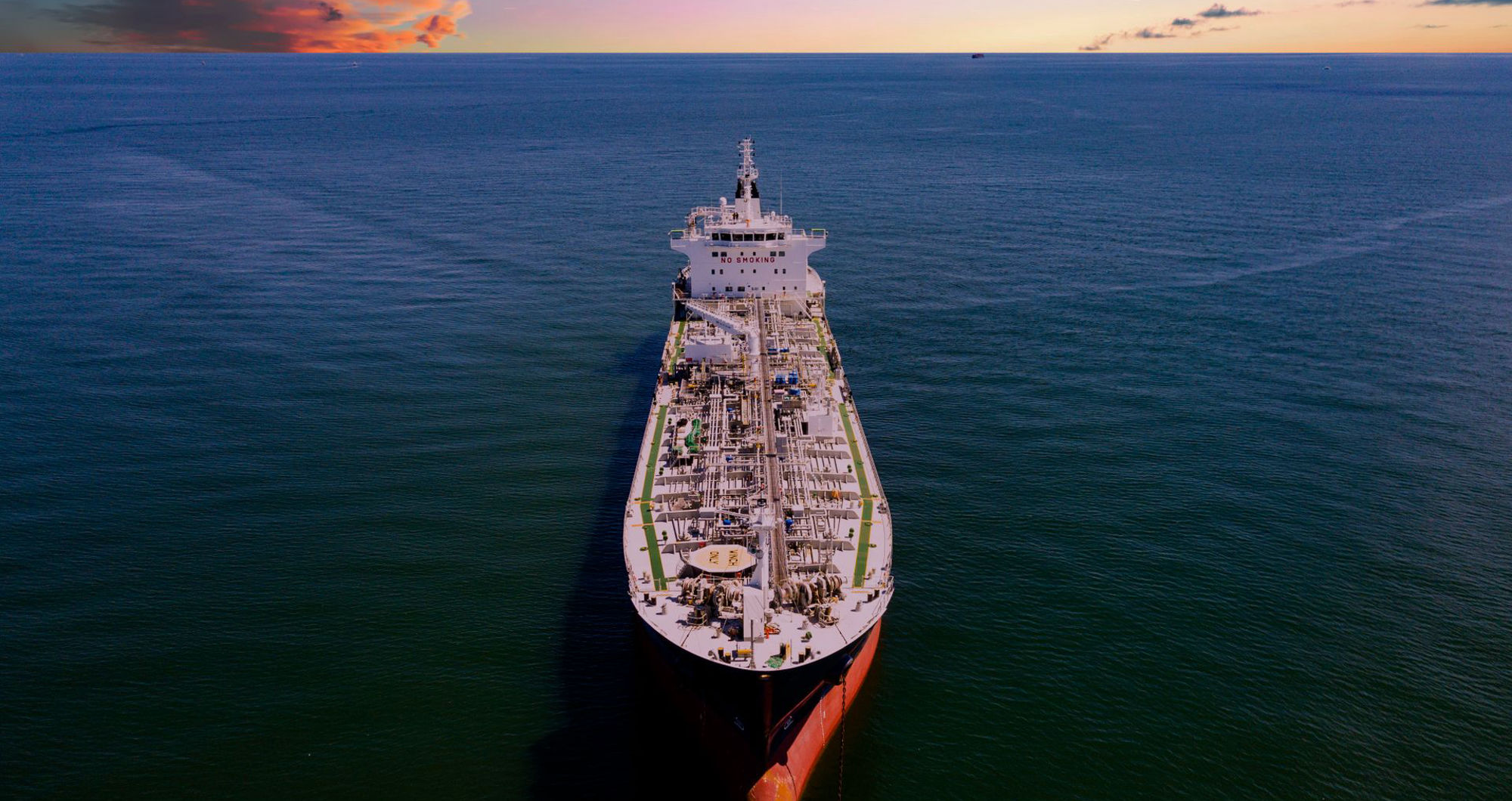
Brent crude has dipped back slightly but remains highly volatile, around the highly uncomfortable level of $107 a barrel. While flows from the Middle East have recovered to around 80% of pre-conflict levels, fresh attacks in the Strait of Hormuz demonstrate the high risks to shipping and the complex nature of the conflict. Ukraine has upped attacks on Russian energy facilities, which is also keeping prices elevated. However, the US waiver for Russian diesel imports, which has come into force, has helped bring prices down a little. Given all the other flashpoints, though, its effect is limited.
China is still flexing its trade muscles, with new routes bedding down in the face of the US tariffs regime. The economy expanded by 4.5% year on year during the third quarter, ahead of the 4.4% rate forecast and up from 4.3% in the previous quarter. Exports have been strong, powered by voracious global demand for AI-related technology and high-tech manufactured goods, alongside electric vehicles and batteries. Chinese exporters have been forging stronger links with markets across South-East Asia, Latin America and Europe, helping to cushion the blow from US tariffs. Industrial output is also holding up, with high-tech manufacturing providing a powerful engine for growth. But China’s export muscle is doing the heavy lifting, and there’s still a softer domestic picture, with cautious consumers and the prolonged property slump continuing to weigh on confidence and investment.
Amid intensifying competition from China and the US, Germany is stepping up efforts to attract global investment, as Chancellor Friedrich Merz opens the two-day Invest in Germany Summit in Berlin, attended by leading international CEOs. The government is keen to draw in private capital to strengthen its position in AI and robotics, while also finding solutions to challenges such as high energy costs and red tape, which remain deterrents to investment. It’s a boost the German economy sorely needs, given that investment in Germany fell 6.4% between 2019 and 2025, according to Allianz Research, while it grew 6.7% across the rest of the eurozone and 20.2% in the US.
Mulberry is back basking in the fashion limelight, as its turnaround gets heads turning. It’s reported an 18% rise in first-half sales, amid a raft of new product launches and a big jump in sales in the US market – it’s a super-positive snapshot which has pushed shares up 7% in early trade. Mulberry appears to have won back its place in the fashion pack, with its new bags proving a hit with stylish shoppers. The brand made a triumphant return to London Fashion Week with Christopher Kane’s show, which has put it front and centre again with a fresh burst of creative energy. It’s not resting on its seventies heritage reputation, with new styles like the Raffia, Crochet, Stevie and Darley Camera bags selling strongly.
Mulberry is also becoming more disciplined about discounting, and that matters because luxury brands cannot rely on a constant stream of discounts without risking damage to their desirability. Promotional sales accounted for a smaller proportion of revenue than a year ago. Mulberry’s challenge is to make its products feel worth paying full price for again, while persuading customers that the brand has a compelling identity beyond its best-known handbags.”
Feature image by Pexels