
Fresh garment-worker protests disrupted factories and blocked major highways around Bangladesh’s capital on Tuesday, as demands for higher pay brought workers into renewed confrontation with security forces. The next meeting of the Minimum Wage Board has been rescheduled for 23 November after a planned session was postponed the previous day.
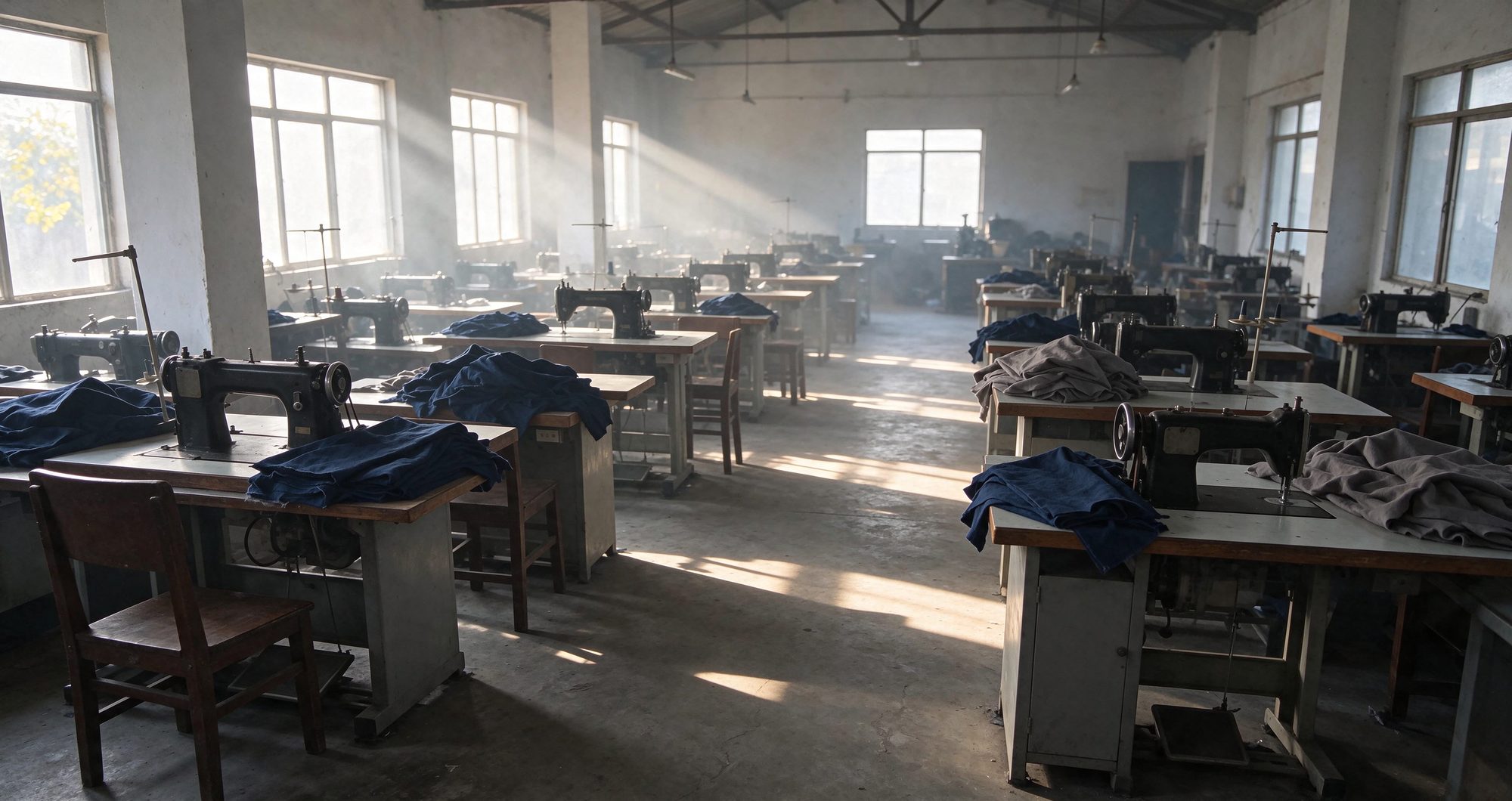
At least 37 garment factories across the industrial belt were declared closed during the unrest, while other workplaces temporarily suspended production after employees left to join demonstrations. The disruption affected areas including Gazipur, Savar, Ashulia and Mirpur, although production continued at some factories.
Many protesters are seeking a minimum monthly wage of 30,000 taka, compared with the existing rate of 12,500 taka. Workers have linked their demands to the rising cost of food, rent, transport and healthcare during weeks of intermittent demonstrations that began in late October.
Road blockades spread across industrial areas
In Gazipur’s Bhogra area, workers began protesting at about 8.30am. By around 9.15am, part of a road divider had been placed across a carriageway, stopping traffic. Police used sound grenades, and workers and officers subsequently chased one another near Bhogra Bypass on the Dhaka-Mymensingh Highway. Workers also gathered along roads towards Nawjor.
In Savar, protesters blocked the Hemayetpur-Keraniganj road in the morning. Police and Border Guard Bangladesh personnel used tear gas and sound grenades during the standoff, and the road was later cleared. A separate blockade at Fulbaria stopped traffic in both directions on the Dhaka-Aricha Highway from around 11am for roughly 50 minutes.
Attempts to occupy roads in Ashulia included gatherings at Jamgora and Khejurbagan. Security personnel dispersed workers and cleared the roads, but the disruption extended beyond the main carriageways as some employees left their workplaces without carrying out their shifts.
In Mirpur, workers gathered and tried to move towards the Mirpur-10 roundabout. Police stopped the procession and used sound grenades to disperse the crowd. Officers subsequently took positions in nearby alleys to keep traffic moving. Across the affected areas, the blockades produced long queues on routes connecting Dhaka with major industrial districts.
Border guards support police
Border Guard Bangladesh’s deployment in the industrial areas stands at 42 platoons. Twenty are assigned to Dhaka-area locations, including Mirpur, Savar, Hemayetpur and Ashulia. Another 15 are stationed in Gazipur and seven in Narayanganj.
The force’s headquarters is monitoring footage from drones, body-worn cameras and other devices. Its personnel are working with local administrations and police as the authorities respond to changing conditions around factories and roads. The security presence has not prevented further demonstrations over the unresolved wage demands.
Wage proposals await the next meeting
A notice issued on Tuesday morning set the board’s third meeting for 11.30am on 23 November at its office in Segunbagicha, Dhaka. The session had originally been due to take place on Monday 16 November. Its agenda includes written proposals from factory owners’ representatives and recommendations on wages for the garment industry’s worker and employee categories.
The workers’ representative on the board has already submitted a proposal for a minimum of 32,000 taka. That negotiating proposal is separate from the 30,000-taka demand voiced by many street protesters. Neither figure represents an agreed new minimum wage.
The government formed the six-member board on 1 November, bringing together worker, employer and government representatives. It held meetings on 4 and 9 November, but the amount of a revised minimum remains unresolved. Tuesday’s notice establishes the next discussion date rather than a pay settlement.
Bangladesh’s garment industry employs more than four million people and accounts for over 80 per cent of the country’s export earnings. The renewed stoppages therefore affect a major source of jobs and overseas revenue, alongside the daily journeys disrupted by highway blockades.