For years, the guardians of our digital world lived in the server rooms and behind glowing screens in the IT department. They were the digital firefighters, a specialised unit we called upon only when the smoke alarm was blaring. That model is now dangerously obsolete. The arrival of sophisticated, accessible Artificial Intelligence has fundamentally broken down the walls around cybersecurity, transforming it from a technical chore into a collective corporate duty. In 2025, the most significant security vulnerability isn’t an unpatched server; it’s an employee who still thinks, “that’s not my job.”
I see a clear and present shift as a professional at the intersection of Generative AI and Governance, Risk, and Compliance (GRC). AI hasn’t just created new threats and democratised the ability to launch incredibly sophisticated attacks. What once required the resources of a state-sponsored hacking group can now be attempted by a lone actor with a clever AI tool. This is why the conversation about security can no longer be confined to the IT room; it must have a permanent seat at the boardroom table and in the break room.
Let’s be clear about what has changed. Consider the classic phishing email – the poorly worded Nigerian prince scam of yesteryear. It was easy to spot. Today, generative AI can write a flawless, personalised email in the exact tone of your CEO, referencing a recent public company event and asking you, by name, to urgently handle an invoice for a known business partner. It’s not just convincing; it’s contextually aware.
Or consider the finance department. A junior accountant might receive a call from their CFO, with their voice perfectly mimicked by AI, authorising an immediate, multi-million-pound transfer to a new “supplier.” The voice is perfect, the reason is plausible, and the sense of urgency is palpable. Without a culture of verification, that is, where that accountant feels empowered to question the request and follow a multi-step confirmation process, that money is gone.
This is the new reality. AI acts as a skeleton key, enabling human trust far more effectively than encrypted data. And this is precisely why a GRC perspective is critical.
Governance is no longer just about IT policies; it’s about embedding security into corporate decision-making. The board must now ask, “Are we secure?” and “How are we building a security-first culture?” They must allocate budgets for company-wide training and demand clear metrics on the organisation’s security posture, treating it with the same gravity as financial reporting.
Risk has expanded beyond data loss. A successful AI-driven attack now poses a profound reputational risk. It can erode customer trust, invite regulatory fines under frameworks like GDPR, and shatter partner confidence. When the Marketing team plans a campaign, they must now think like a security professional: How could this campaign be spoofed? How are we protecting the customer data we collect? Are our social media channels vulnerable to being hijacked by an AI bot spreading disinformation about our brand?
And Compliance is the foundation that holds it all together. Every employee, in every department, now has a role to play:
Human Resources: The front line of defence begins here. HR is responsible for embedding security awareness into the onboarding process, conducting regular, engaging training beyond tick-box exercises, and implementing strict protocols for employees leaving the company to ensure digital loose ends are tied.
Finance: This department must champion a “trust but verify.” They are the gatekeepers of the company’s assets. They must be trained to spot the hallmarks of AI-driven fraud, implementing multi-factor authentication for financial transactions as a non-negotiable policy.
Legal & Procurement: The legal team must scrutinise their security protocols when negotiating contracts with new vendors, especially AI service providers. How is our data being used to train their models? Who is liable in the event of a breach? These are no longer just IT questions; they are core contractual obligations.
Every Employee: The ultimate “human firewall.” In an era of AI-powered social engineering, the most potent defence is a curious and cautious mindset. The goal is to empower every individual, from the intern to the executive, to feel comfortable pausing and asking, “Does this seem right?” without fear of reprisal for slowing things down.
For decades, we treated cybersecurity like a locked door to which only the IT team had the key. AI has effectively removed that door. The new frontline is not a firewall; it’s your entire organisation’s collective wisdom and vigilance. Building this company-wide security culture is no longer a best practice; it is the only way to survive and thrive in the age of AI.
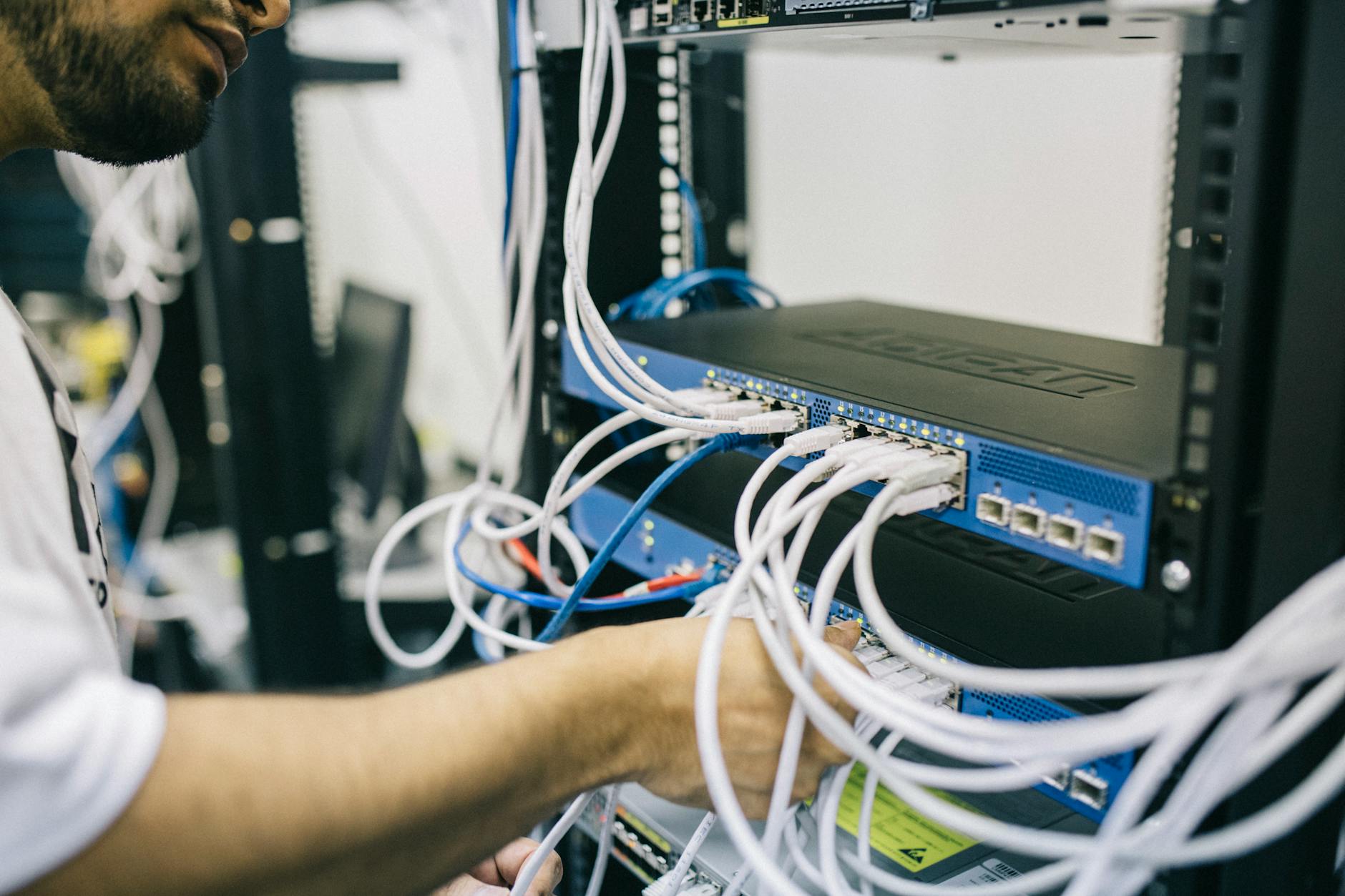
Image by Field Engineer on Pexels
About the Author
Adetunji Oludele Adebayo is an experienced cybersecurity and information security expert with pioneering skills at the intersection of technology and governance. As a GenAI GRC Lead, he specialises in managing complex security environments, from IoT and third-party supply chain security to comprehensive operational resilience and risk management. He is a digital futurist proficient in utilising artificial intelligence to enhance and streamline data protection and NIST CSF, PCI DSS compliance frameworks. His expertise is validated by top industry certifications, including CISM and ISO 27001/22301/27000 Lead Implementer, supported by two Master of Science degrees in Cybersecurity and Technology Management. As a recognised leader, conference speaker, and author, he is dedicated to promoting secure and resilient business operations in the digital era.