


The subject of health is never far from the headlines, but statistics show that many of us are not prioritising our health and well-being. Studies show that around 60% of premature deaths are linked to lifestyle factors, including physical inactivity, smoking, a poor diet and excessive drinking. If you’re looking to boost your health, this guide is packed with ideas to ensure you’re heading in the right direction.
Adopting an active lifestyle
A quarter of adults only do 30 minutes of physical activity per week, according to Sport England data. Physical inactivity is harmful to both your body and mind. Regular exercise is one of the most effective natural tonics for physical and mental health. If you have an active lifestyle, you can reduce your risk of a host of health issues ranging from type 2 diabetes, Alzheimer’s disease and heart disease to osteoporosis, respiratory illnesses, anxiety, depression and some types of cancer. Being active can help you socialise and make new friends and it also triggers a chain of reactions that result in a natural high. Your serotonin and dopamine levels rise and your body releases endorphins, which are known as happy hormones. Exercise can also help you manage emotions, express yourself and combat stress.
There are several ways to adopt a more active lifestyle. Examples include joining a gym, sports club or local team, working out at home, hiring a personal trainer and doing exercise classes. If you’re a novice, it’s a great idea to explore beginner classes and monitor your activity levels using a tracking device. Wearables like fitness watches will give you an accurate idea of how many steps and active minutes you do each day and how many calories you burn. You can also keep an eye on your heart rate and sleep patterns.
If you tend to lose motivation when it comes to getting fit and sticking to exercise plans, vary your routine, try different sports, hobbies and activities and get your friends, colleagues and family members involved. Sometimes, going to the gym or a dance or spin class can be daunting on your own. Take a friend for moral support or go with a group and turn it into a social occasion.

Image by Gustavo Fring on Pexels – https://www.pexels.com/@gustavo-fring/
Smoking and drinking
Smoking and drinking are among the most common lifestyle-based risk factors for serious conditions. Smoking harms almost every organ and system in the body while drinking excessively can put you at greater risk of injuries and accidents and increase the risk of liver disease, some types of cancer and heart disease.
Giving up smoking is never easy, but it can be done, especially if you explore treatments and therapies and get help and support. Some people switch to vaping and try products like disposable vapes while others try to quit using willpower alone. Studies show that support options and treatments like medication, nicotine replacement therapy and group sessions increase the chances of success significantly. See your doctor or a local pharmacist for more information about stop-smoking services in your area. You can also access resources and group support online. It’s helpful to write a list of reasons why you want to quit, which may motivate you on hard days. Some people also benefit from spending less time with smokers and changing their usual daily routine.
If you’re worried about how much you drink, it’s useful to keep a diary or use an app to track consumption. Many people drink more than they think. Experts recommend a maximum weekly intake of 14 units. This translates to around six medium-sized glasses of wine or pints of 4% beer. If you drink more than this, or you turn to alcohol as a coping mechanism, try to reduce your intake. Assign alcohol-free days each week, try 0% versions of drinks you enjoy and socialise in places that don’t sell alcohol. Reduce the amount of alcohol you buy in your weekly shop and alternate alcoholic and soft drinks when you’re out. If you find it hard to cut down, seek advice. You can get help from your doctor or via charities and support groups.

Image by HansMartinPaul on Pixabay – https://pixabay.com/users/hansmartinpaul-5867716/
Improving nutrition
When you hear the word, ‘diet,’ what do you think about? Many of us automatically conjure up images of weighing scales and think about weight loss or our BMI. It can be beneficial to lose or gain weight if you’re over or underweight, but it’s crucial to understand the importance of good nutrition. Not everyone who is slim and has a ‘normal’ BMI is healthy. When you think about your diet, focus on the nutritional value of the foods you eat. Are you getting enough vital nutrients? Is your diet rich in foods that are packed full of protein, fibre, vitamins and minerals?
If you don’t know where you are in terms of nutrition, it’s a brilliant idea to use an app to analyse your diet. Enter the foods you eat and the quantities of each ingredient and evaluate the nutritional information at the end of the day. Your app will highlight areas for improvement. You may be consuming too much sugar or salt, or your diet may lack iron or protein, for example. Once you know where you can make changes, you can focus on addressing problems. Look for healthy recipes online, buy or borrow recipe books from the library and adapt your favourite meals to make them healthier. Fakeaways, for example, have become a social media phenomenon. You can turn everything from indulgent Friday night curries, fried chicken, burgers and pizzas into healthier treats that are packed with goodness.
Balance is key when planning your weekly menu. Try to ensure that you eat a diverse range of foods and that every meal covers all the major food groups. Beware of trends and fads that promote rapid weight loss by cutting out food groups unless you’ve been advised to follow specific eating plans by health experts.
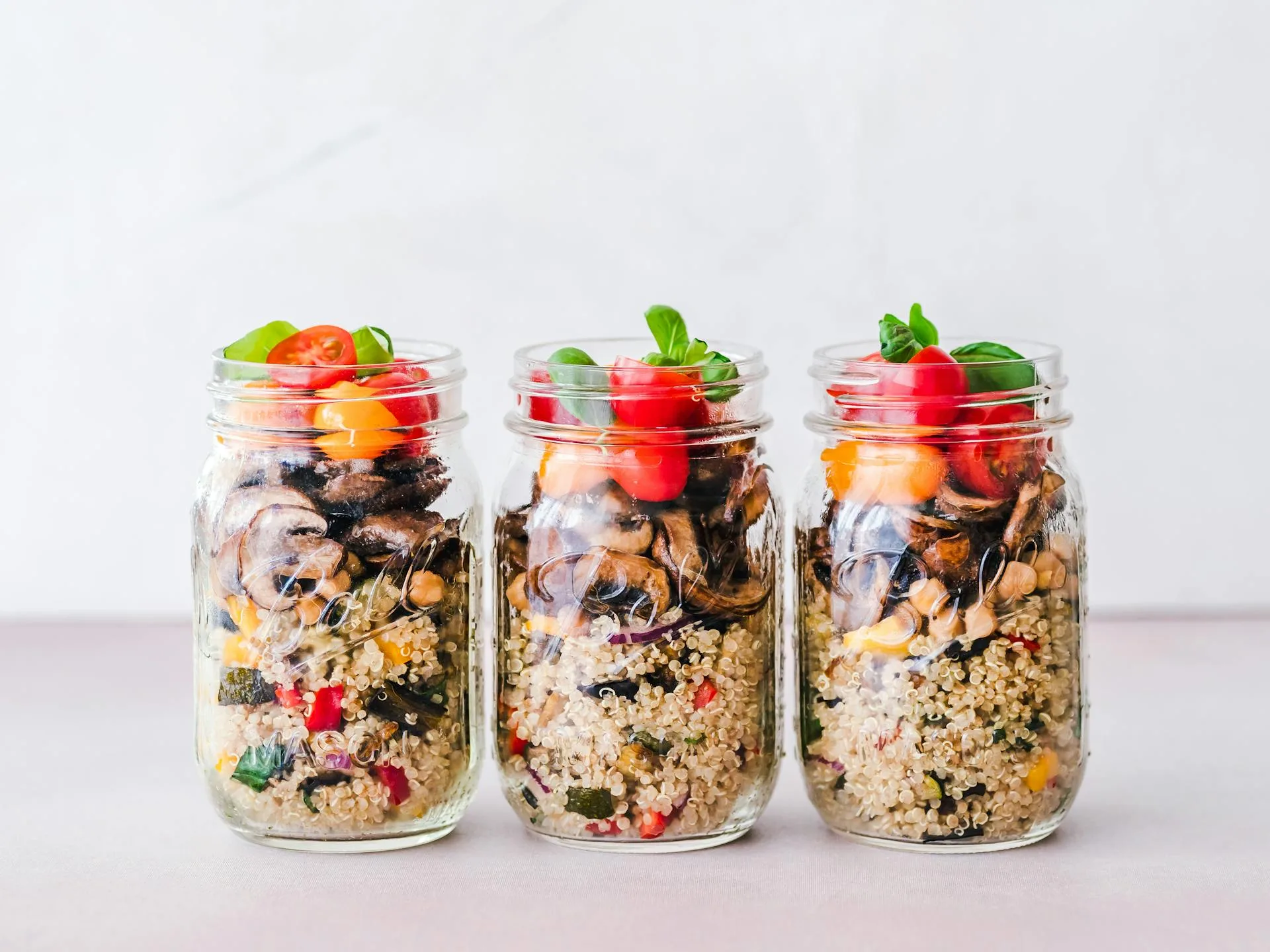
Image by Ella Olsson on Pexels – https://www.pexels.com/@ella-olsson-572949/
Health is a subject that should interest all of us. There are steps we can take at every age to protect our physical and mental health. Making positive choices can have a profound impact on our health now and in the future. Key steps to consider include adopting a more active lifestyle, giving up smoking, monitoring alcohol intake and improving nutrition.
Feature image by Daniel Reche on Pexels







