
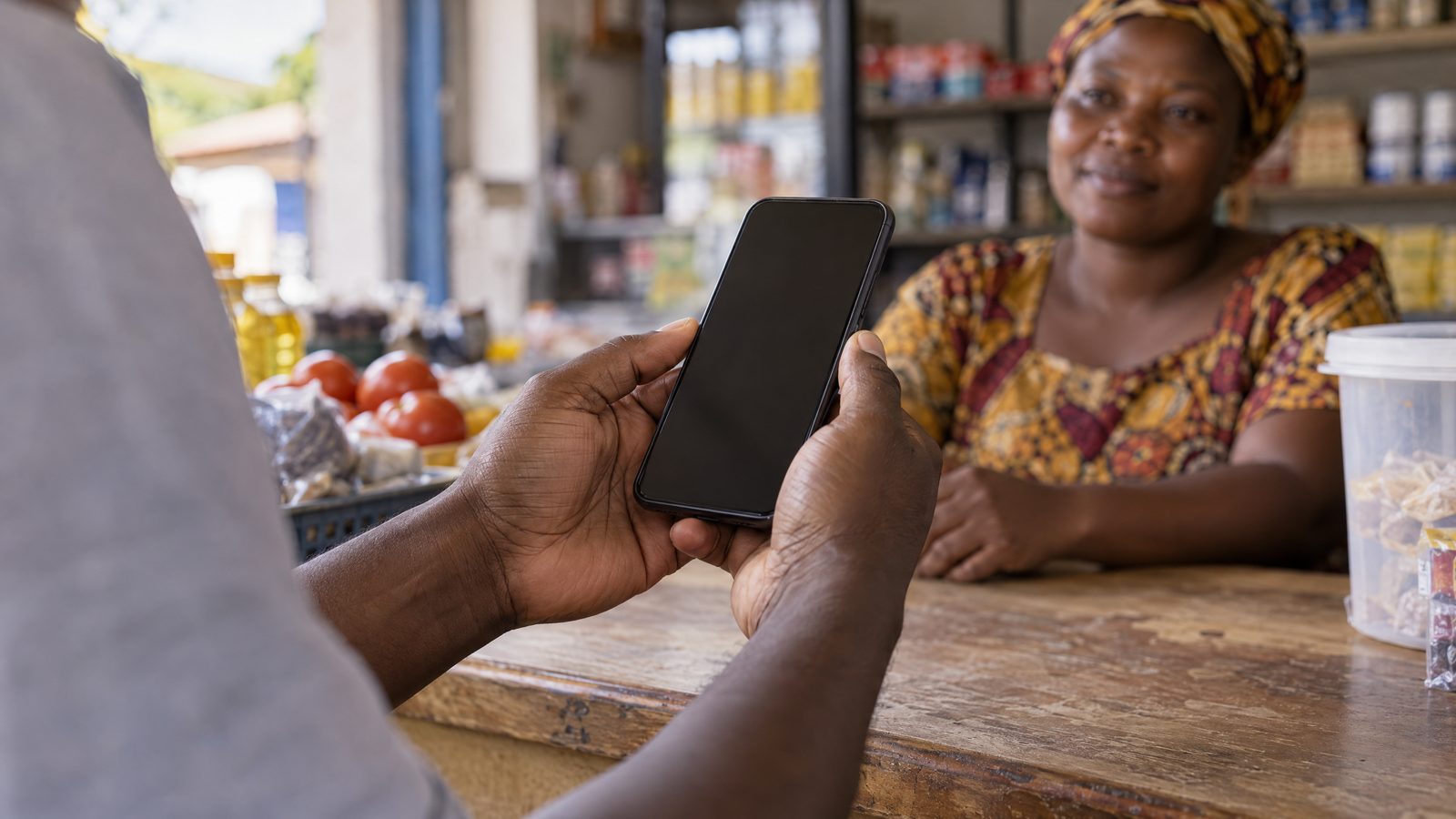

Ghana’s National Identification Authority says it has developed a mobile application intended to let individuals and small businesses verify people’s identities using the Ghana Card biometric system. The service is designed for users who may not be able to meet the requirements for access to the authority’s main verification platform.
At a briefing in Accra on 2 November, the authority’s corporate affairs director, Williams Ampomah Emmanuel Darlas, said the app would return a simple yes-or-no response when checking whether someone is who they say they are. He said it would be launched very soon.
No specific launch date was given in the announcement. The app’s public availability, registration process, any charges and the particular biometric method to be used were not established by that announcement.
Access to verification
Institutions seeking access to the existing platform must obtain certification from the Data Protection Commission. The authority says that requirement can be difficult for individuals and smaller businesses to meet. The app is intended to provide a route for people who are not on the institutional platform.
The authority’s existing guidance asks institutions seeking verification services to submit information including their data protection certification, business profile and intended use of Ghana Cards. It says access follows review of the documents, completion of the necessary technical infrastructure and a contract with the authority.
That institutional process is separate from the mobile service described by the authority. The announcement did not establish the app’s eligibility conditions or explain whether users could challenge an incorrect result. Those details matter when a yes-or-no response is used to support a transaction.
A change to identity checks
The application comes as Ghana implements the National Identity Register (Amendment) Regulations, 2026, known as Legislative Instrument 2523. The authority says the regulations came into effect on 9 June 2026, changing how organisations verify the identity of Ghana Card holders.
Under the authority’s guidance, simply looking at a Ghana Card is no longer sufficient for identity verification. Organisations must not request, photocopy, scan or retain copies for that purpose, except where the law permits it. The authority has directed institutions that verify identities as part of their operations to begin onboarding onto its verification platform.
Darlas said the requirements also apply to individuals in transactions where identity confirmation is needed. He gave land transactions as an example, saying the parties’ identities should be checked biometrically rather than established by looking at their cards alone.
A transition period for institutions ended on 2 November. The authority said its biometric verification task force would begin visiting institutions from 3 November to check compliance. The announcement set out an inspection plan; it did not establish the results of those visits.
The authority has warned that institutions found in breach could face court proceedings and fines. Darlas said the authority could not impose the fines directly and would take cases to court. He also said an institution found guilty could be barred from the verification platform.
What happens to existing cards?
The change does not require people to obtain a new Ghana Card or register their biometric information again, the authority has said. The card remains the national identity document, while the regulations change the method used to confirm a person’s identity.
A physical card can still be needed for some biometric checks. Darlas said telecommunications companies and some banks use a match-on-card method, in which a customer presents the card so a fingerprint can be checked against information on its chip. That is different from relying only on a visual inspection.
The authority says the wider rules are intended to strengthen identity security and protect personal data. It has also said safeguards have been incorporated into the mobile application. The assurances do not establish how those safeguards work or prove that the service is free from identity-fraud risks.







