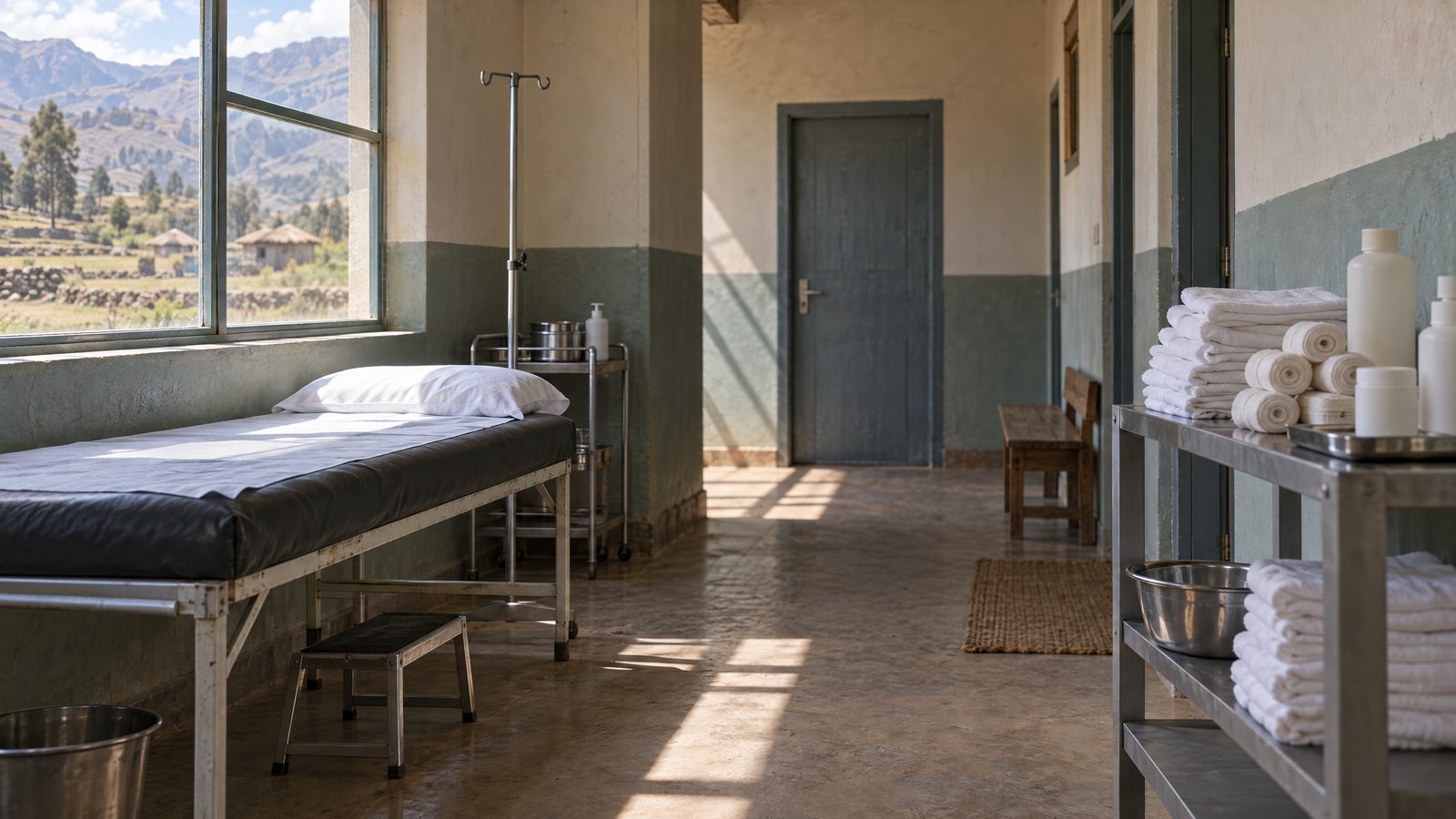

Violence in northern Ethiopia is pushing an already fragile health system closer to collapse, the head of the UN health agency has warned. Tedros Adhanom Ghebreyesus said hospitals faced shortages of health workers, medicines and equipment, while insecurity was obstructing medical supplies from reaching some areas.
In his 2 November statement, Tedros referred to reports that children, including a newborn, were among those killed at the Jaari 2 displacement camp in Amhara. He also said several people had reportedly been killed while trying to obtain food in Rama, in neighbouring Tigray.
The statement referred to reported deaths rather than a confirmed count. Tedros did not give casualty totals or the dates of the two incidents, and he did not identify those responsible. His warning did not establish that the health system had already collapsed.
Healthcare under pressure
Tedros said ambulance services were severely limited and that insecurity was obstructing the delivery of life-saving supplies to some areas. He warned that continued fighting could leave more people without essential healthcare, including emergency services, maternal and child healthcare, and treatment for diseases.
That warning concerns what could happen if fighting continues. It is not a count of people who have already lost access to care. The shortages and delivery problems described by Tedros are part of his assessment of the pressure on hospitals and communities.
The UN health agency had previously described a response across the three northern regions of Tigray, Amhara and Afar. On 21 October, it said it had delivered more than 71 metric tonnes of essential medical supplies to the regions as part of that effort.
The shipments included emergency health kits, cholera response materials, reproductive health kits and medicines for non-communicable diseases. The earlier delivery figure is not a measure of current stocks at hospitals, or evidence that supplies had reached every community facing shortages.
The agency also described support for disease surveillance, outbreak investigations and vaccine distribution. Its work with partners included support for mobile health and nutrition teams and health facilities, with the aim of maintaining services such as primary care and maternal and reproductive healthcare.
In his 2 November warning, Tedros said the agency and its UN partners were working to deliver additional medical supplies across the affected regions. He did not say that all of those deliveries had been completed or that the shortages had been resolved.
Families forced to move again
In a separate update posted on 3 November, the UN’s humanitarian office said thousands of people were reportedly displaced across Debre Birhan in Amhara and Shire in north-western Tigray. They also said families who had recently returned to Tahtay Adiyabo district in north-western Tigray had reportedly been forced to flee again amid renewed hostilities.
The humanitarian officials said aid organisations were able to reach people in need across much of northern Ethiopia, but insecurity and movement restrictions continued to disrupt operations. In Amhara, they described restrictions along the main roads connecting Gondar with Debark and Metema.
Humanitarian teams were preparing to expand assistance and prioritise people with the most critical needs. These descriptions reflect what the office reported in its 3 November update, not verified current road conditions or a count of people affected by either incident mentioned by Tedros.
A 2026 humanitarian appeal by the UN children’s agency describes overcrowded displacement camps with limited access to essential services. Its response plan includes healthcare, nutrition and safe water, alongside support for children and families affected by displacement. The appeal covers Ethiopia as a whole, not just the two locations in the health chief’s warning.
A fragile agreement
Ethiopia’s federal government and the Tigray People’s Liberation Front reached a cessation-of-hostilities agreement in Pretoria in November 2022. The African Union-led process envisaged an immediate end to hostilities, the resumption of unhindered humanitarian access and the restoration of services.
Fighting has since resumed between government forces and armed groups in northern Ethiopia, putting the earlier agreement under severe strain. The 2022 agreement was between the federal government and the Tigray group; it should not be treated as a settlement of every conflict in Ethiopia.
Tedros called for civilians to be protected and for health workers and humanitarian supplies to be allowed to reach people in need. His appeal addressed both immediate safety and the need to maintain access to care during the fighting he described.