
Being a landlord involves managing many responsibilities at once. There are certificates to track, maintenance to arrange, tenants moving in and out, and repairs that rarely happen at a convenient time. Among all these tasks, electrical safety is often overlooked—usually because problems are not immediately visible.
In many cases, landlords only think about electrics when a tenant reports an issue or a certificate renewal deadline is approaching. However, understanding electrical safety before something goes wrong can significantly reduce risk, stress, and unexpected costs.
This guide explains EICR checks in clear, practical terms. There is no technical jargon and no alarmist language—just the essential information landlords need to make informed decisions.
What an EICR Is, Explained Simply
An Electrical Installation Condition Report (EICR) is a formal safety inspection of the fixed electrical installation in a property. It does not cover appliances owned by tenants. Instead, it focuses on the wiring, sockets, fuse board, switches, and other permanent electrical components that form part of the building.
A useful way to think about an EICR is as a routine health check for the property’s electrical system. It is not cosmetic, and it is not about upgrading for appearance. Its purpose is to confirm that the installation is safe, functioning correctly, and not presenting a risk to occupants.
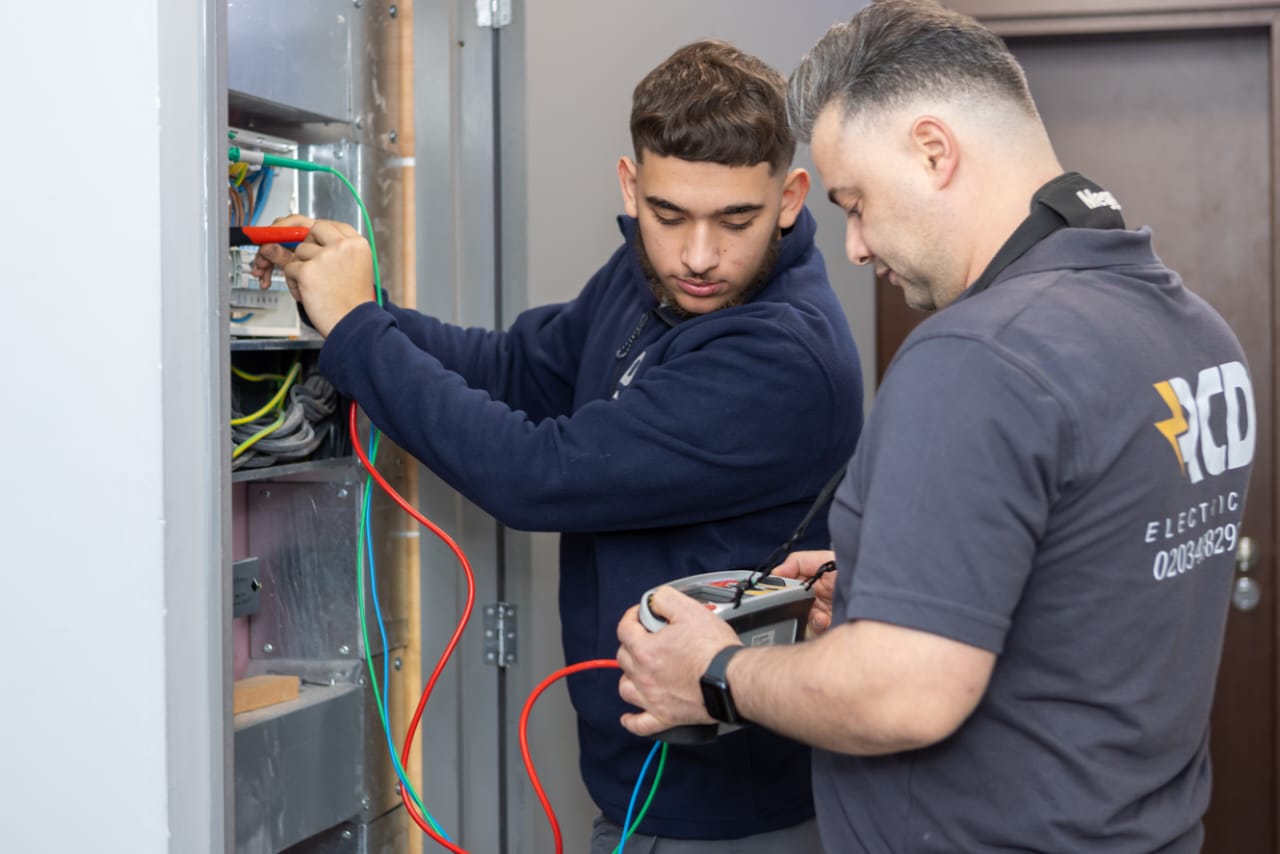
During an inspection, a qualified London electrician tests circuits, checks earthing and bonding, and looks for signs of wear, damage, or outdated components that could become unsafe over time.
Why EICR Checks Are Particularly Important for Landlords
One of the main challenges landlords face is distance from day-to-day use of the property. Unlike homeowners, landlords do not live in the space and may not notice early warning signs such as:
- A socket that becomes warm during use
- A faint buzzing noise from a switch
- Occasional power interruptions
- Subtle burning smells when multiple appliances are running
Tenants may ignore these signs or assume they are normal. An EICR provides an independent assessment, allowing landlords to stay informed about the condition of the electrical system without relying on guesswork or delayed reporting.
This is why routine inspections carried out through professional electrical services in Fulham play an important role in responsible property management rather than being treated as a last-minute compliance task.
Issues an EICR Can Identify Early
Most electrical faults develop gradually rather than suddenly. An EICR can highlight issues such as:
- Circuits that are overloaded
- Ageing or poorly installed wiring
- Loose connections behind sockets or fittings
- Incorrect or missing earthing
- Heat damage within electrical components
- Unsafe DIY electrical alterations
Individually, these problems may not seem urgent. However, if left unaddressed, they can increase the risk of electrical failure, damage, or fire.
How Electrical Safety Affects Tenant Confidence
Tenants tend to feel more secure in properties where safety checks are carried out regularly and documentation is kept up to date. When electrical systems are maintained properly, tenants are also more likely to report issues early rather than ignoring them.
This improves communication, reduces disputes, and helps prevent small issues from developing into larger problems that affect both landlord and tenant.
The Long-Term Cost Perspective
EICR inspections are sometimes viewed as an added expense. In practice, they function as preventative maintenance.
Addressing a loose connection or minor fault early is usually straightforward and inexpensive. Repairing damage caused by prolonged overheating, electrical failure, or fire is not.
From a financial perspective, identifying problems early almost always costs less than dealing with emergencies later.
What Happens During an EICR Inspection
During an EICR, the electrician will typically:
- Test each electrical circuit
- Inspect sockets, switches, and fixed fittings
- Check earthing and bonding arrangements
- Test RCD safety devices
- Assess the condition of components against current safety standards
The report then categorises findings clearly, helping landlords understand what requires immediate attention and what can be planned over time.
Final Thought for Landlords
Electrical safety is not about reacting to problems after they occur. For landlords, it is about predictability, responsibility, and risk management.
Keeping EICR inspections up to date and addressing small issues early helps reduce uncertainty and avoid unnecessary complications—making property management simpler for everyone involved.