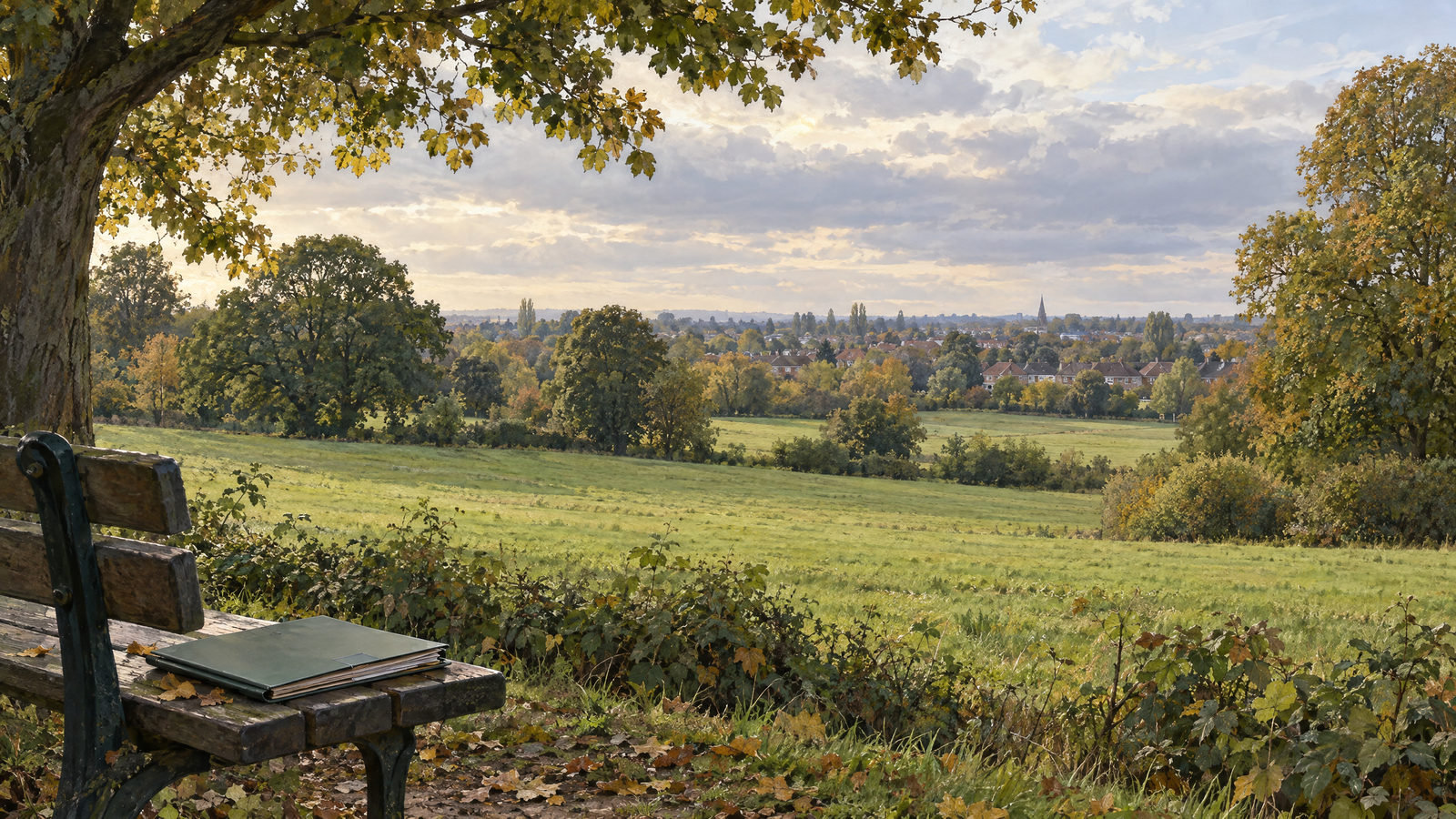

Harrow Council has agreed to oppose the Mayor of London’s draft London Plan after a full-council debate centred on the future of the borough’s Green Belt.
The substantive motion was passed at the meeting on Thursday 1 October. It commits the council to objecting to the draft plan, inviting the Mayor of London to visit Harrow’s Green Belt and restating support for the borough’s green spaces.
At the heart of the debate was the scale of housing development envisaged in the draft. The resolution refers to a nearly 50 per cent rise in Harrow’s housing target over the next decade and to 3,150 homes on greenfield land. Those figures form part of a draft planning framework that is still out for consultation; they are not planning permission for a specific development.
Councillors focused particularly on the proposed Northwood Broad Location for Growth, an area spanning Harrow and Hillingdon. Within Harrow, the area identified in the motion includes most of Hatch End, Headstone, Pinner and Pinner South, alongside part of Harrow Weald. The motion argues that these wards contain almost all of the borough’s Green Belt and warns that the draft approach could make boundary changes or releases from Green Belt designation easier.
Broad Locations for Growth are intended to identify places around public-transport connections where future development could be considered. Their inclusion in the draft does not by itself determine what will be built, where it will be built, or when. Detailed proposals would still be subject to the planning process, including consultation and the assessment of individual applications where required.
The council’s resolution describes local Green Belt as an important part of Harrow’s character and open-space network. It calls for that land to be protected for future generations, while opposing the draft plan on the grounds that it would weaken existing safeguards.
During the meeting, an amendment was proposed that retained the concerns over Green Belt while seeking closer cross-party work on the response and a joint approach by the leaders of the council’s political groups. That amendment was defeated before the substantive motion was carried.
The result gives Harrow a formal political position before the consultation closes. The council has already said it will make representations on the draft and, if necessary, take part in the examination in public expected in 2027.
The draft London Plan is the Mayor of London’s proposed strategy for the capital’s growth to 2050. It covers housing, transport, jobs, the environment and public space. The consultation is open to residents, businesses, community groups, boroughs and other organisations until 5pm on Thursday 15 October.
Representations made during this period will inform the next stage of the plan-making process. The council’s intervention is therefore about the direction of London-wide planning policy, as well as the potential consequences for particular places in Harrow if the draft proposals remain unchanged.
Once finalised, the plan would form part of Harrow’s development plan and be used in the assessment of planning applications. The council vote does not settle the final contents of the London Plan, alter a Green Belt boundary or authorise development. It sets out Harrow’s objections at the consultation stage and places the borough’s Green Belt at the centre of its response.