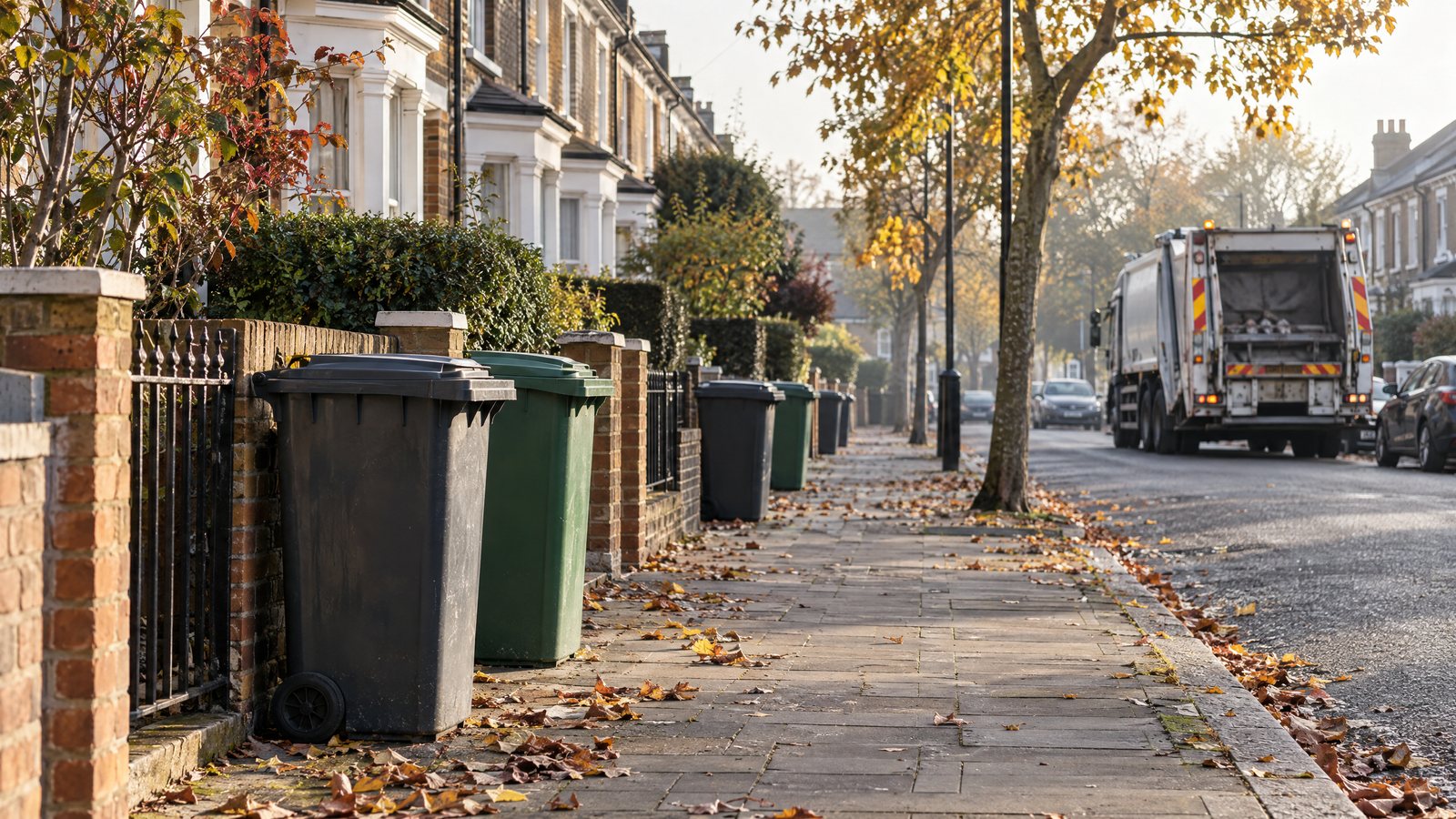

A five-day strike by contracted refuse-collection staff went ahead in an east London borough during the week of 26–30 October, the council said, as it apologised to residents affected and urged a negotiated settlement.
In its update on 30 October 2026, the council said it had remained in contact with both the waste contractor and the union representing the staff. Its position was that the dispute should be resolved through negotiation. The update confirmed that industrial action had taken place, rather than describing a strike that was still only planned.
More than 40 workers were said to have taken part in the action, which covered five days from Monday 26 October to Friday 30 October. That workforce figure is separate from the question of how many residents experienced disruption: the council did not give a total for missed collections.
Working conditions at the centre of the dispute
The union raised concerns about workload, fatigue, working in heat, vehicle safety and welfare. These were the workforce issues it identified in the dispute with the contractor. They remain the union’s stated concerns, rather than independently established findings about the conditions under which refuse staff were working.
The concerns span both the demands of collection work and the conditions in which it is carried out. Workload and fatigue relate to the pressure on staff, while the heat-working, vehicle-safety and welfare concerns address other aspects of their working environment. No finding resolving those concerns was announced in the council’s update.
The contractor said it was open to talks and was seeking to minimise the impact on essential services. That expressed a willingness to discuss the dispute, but did not amount to an announcement that an agreement had been reached. Its stated efforts to limit disruption also did not establish that all collections had continued as normal.
The council’s call for a negotiated resolution sat alongside those positions. Officials said contact with the company and the union had continued during the dispute. Continued contact, however, was not presented as a settlement, and the council’s account did not announce an agreed outcome between the parties.
Apology to affected residents
For residents, the council’s central acknowledgement was that the industrial action had affected them. It apologised for that impact while continuing to urge the contractor and union to reach a resolution. The apology recognised disruption without setting out a numerical measure of its extent.
No quantified missed-collection figure was given. The available information therefore does not establish how many collections were missed, how many households were affected or how the impact was distributed across the borough. The number of workers involved cannot be used as a substitute for those service figures.
The contractor’s position was focused on minimising the effect on essential services while remaining open to discussions. The union’s position focused on the working conditions it had raised. Those statements describe the respective sides’ approaches; they do not resolve the underlying disagreement or demonstrate that the concerns had been addressed.
The 30 October update leaves a clear distinction between what happened and what remained unresolved. The week’s industrial action went ahead, residents were affected and the council apologised. Officials also said they had kept in touch with both parties and pressed for negotiation. No negotiated settlement was announced, and the extent of missed collections was not quantified.