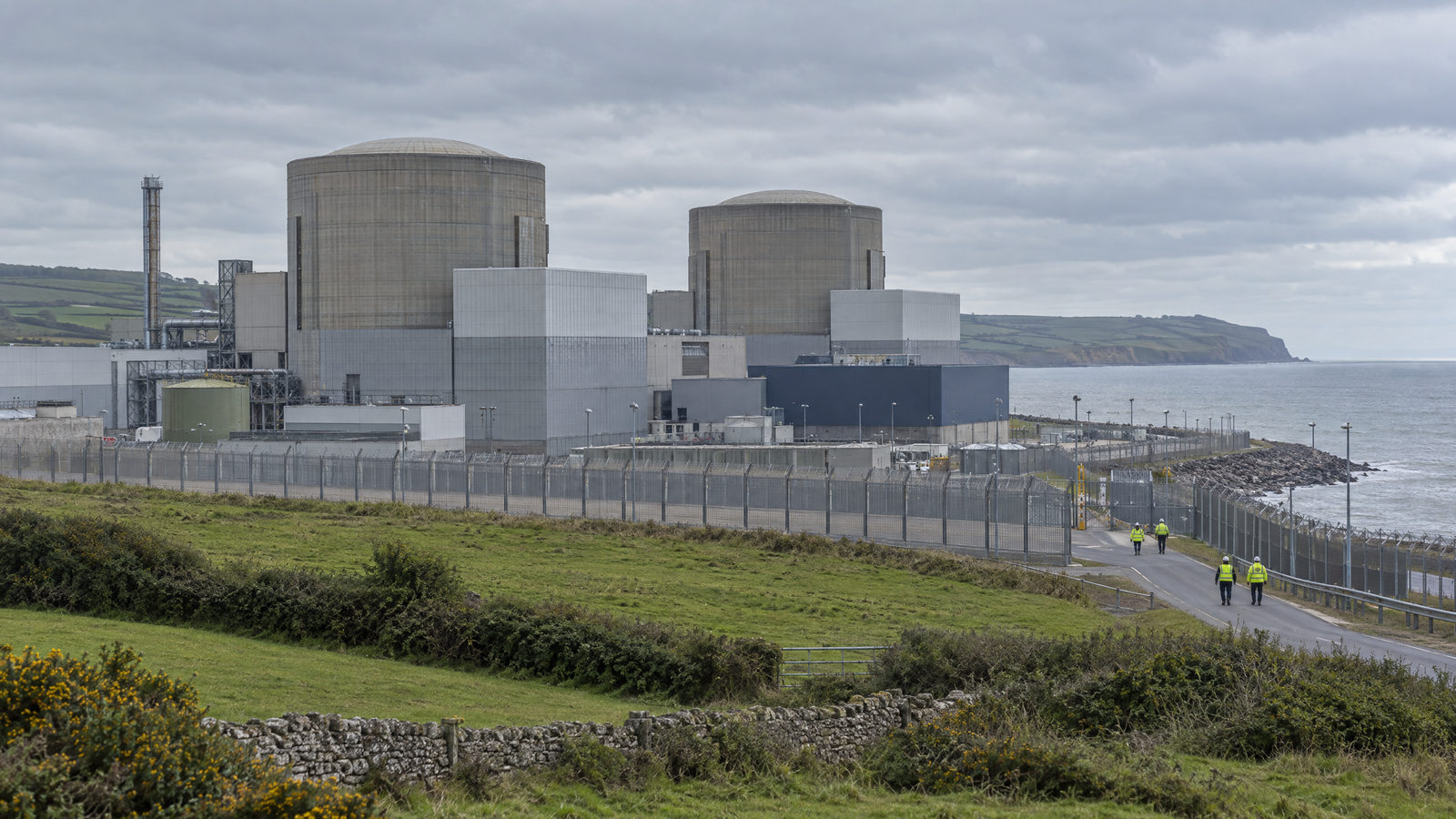

Hinkley Point B has entered a new phase after responsibility for the Somerset nuclear power station moved from EDF to the Nuclear Decommissioning Authority. Nuclear Restoration Services, a subsidiary of the authority, is now the site licence holder and will lead its decommissioning.
The handover took effect on 1 October, following regulatory approval. It changes who is legally responsible for the site’s operation and its long-term clean-up, but it does not mean work at Hinkley has stopped. The station is moving from power generation to a programme of safe management, dismantling and eventual restoration.
Responsibility changes hands
Hinkley Point B is near Bridgwater on the Somerset coast and comprises two advanced gas-cooled reactors. It first supplied electricity to the national grid in 1976 and stopped generating in 2022. The station has now transferred into the organisation set up to manage the United Kingdom’s civil nuclear legacy.
Nuclear Restoration Services already decommissions the adjacent Hinkley Point A site. Bringing the B station under the same operator creates a single local management structure for two neighbouring former generating stations, while the separate Hinkley Point C project continues to be built on nearby land.
The licence change is a significant practical step, rather than simply an announcement of future intent. The new licence holder assumes the obligations attached to running the site safely and carrying out its decommissioning. The work will be regulated throughout, and the site is expected to move into care and maintenance only after decommissioning has been completed.
Fuel removal cleared a key threshold
A major preparatory task has already been completed. Both reactors have been defuelled, allowing the station to enter its decommissioning phase. Over three years, more than 4,900 spent-fuel elements were removed, placed in specially engineered transport flasks and taken to Sellafield for storage.
Removing the fuel does not make the remaining work simple. Decommissioning will still involve managing radioactive materials, maintaining facilities, dismantling plant and buildings, and preparing the land for its eventual next use. Those steps require long-term planning, specialist skills and continued oversight rather than a quick demolition project.
Hinkley Point B is the second advanced gas-cooled reactor station to join the authority for decommissioning, after Hunterston B in April. The change therefore also tests a broader approach for Britain’s ageing reactor fleet as stations reach the end of their generating lives.
Jobs remain at the heart of the site
About 250 people working at Hinkley Point B are transferring from EDF to Nuclear Restoration Services. Their move keeps site knowledge with the team responsible for the next stage and preserves skilled employment in the local area. The transition matters because decommissioning depends on detailed familiarity with the station as well as nuclear, engineering and environmental expertise.
Hinkley Point B’s operational record remains an important part of that context. It generated electricity for roughly 46 years and was the first British-designed advanced gas-cooled reactor to export power to the grid. Its end of generation closed one chapter in the area’s energy history; the transfer now begins another, centred on secure stewardship rather than electricity production.
A wider transition for the reactor fleet
The handover follows years of preparation involving the station’s former operator, the decommissioning authority, regulators and the body that holds funding for nuclear liabilities. It also signals the direction of travel for other advanced gas-cooled reactor sites as they are defuelled. Dungeness B, Hartlepool, Heysham 1, Heysham 2 and Torness are among the stations intended to transfer in future.
For Somerset, the immediate result is clear: Hinkley Point B remains an active industrial site with a different mission. Its workforce, licence and management have changed, while the long task of making the site safe and ready for its eventual future has formally begun.