
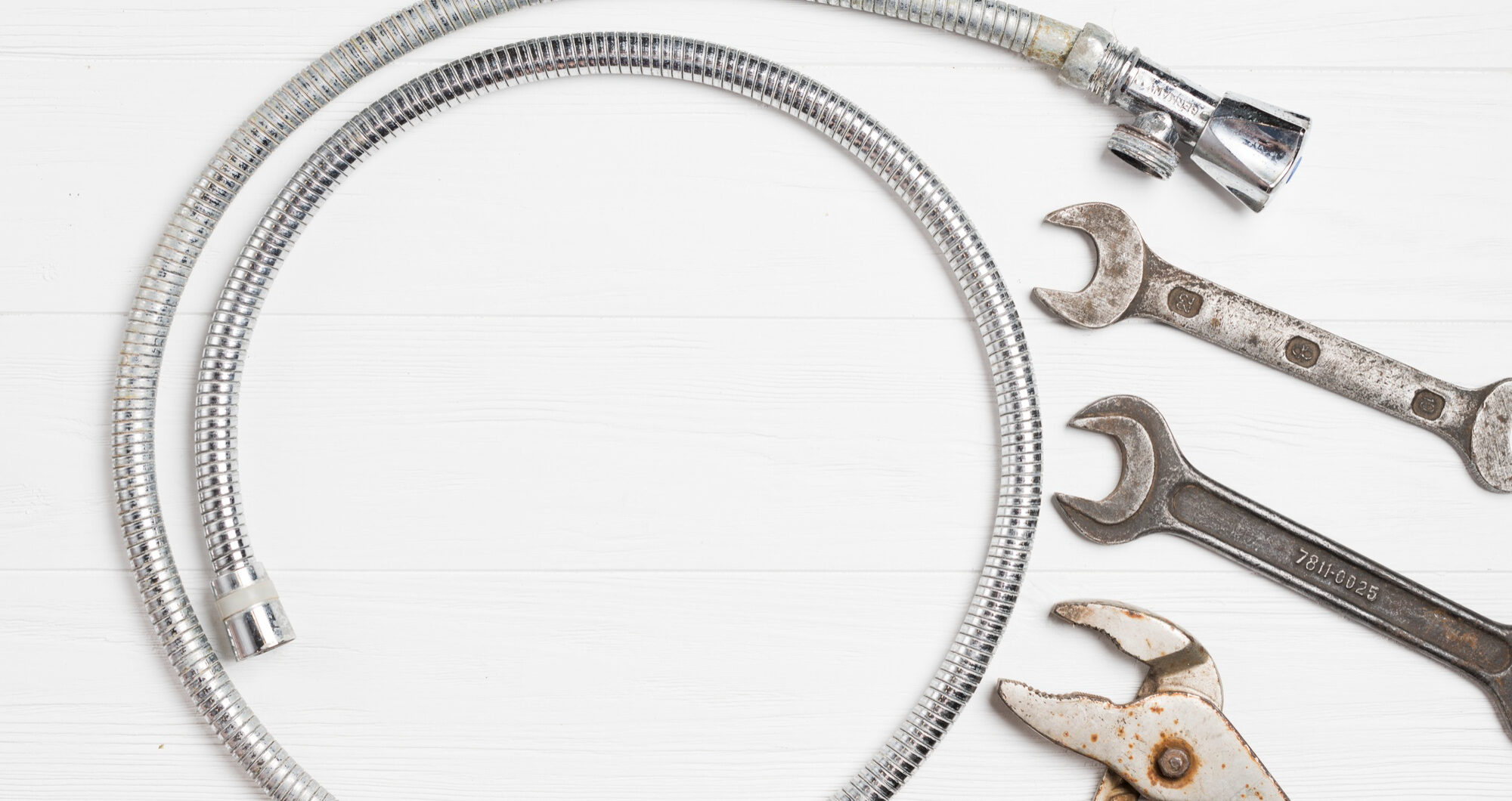

Hose assemblies are flexible systems used to transfer liquids, gases, or granular materials between equipment. They consist of several connected components, typically including a hose, fittings, connectors, and sometimes protective coverings. These assemblies are designed to operate under specific conditions such as pressure, temperature, and chemical exposure, making them an essential part of many industrial and commercial processes.
Unlike a simple hose, hose assemblies are engineered combinations of materials and fittings that are assembled to meet defined performance requirements. The correct pairing of the hose material with appropriate connectors ensures safe and reliable operation in a wide range of environments.
Components of Hose Assemblies
A typical hose assembly includes several key parts that work together to create a sealed and functional system.
The hose itself forms the main body and provides the pathway through which fluids or materials travel. Hoses may be made from rubber, PVC, thermoplastics, PTFE, or metal, depending on the application.
End fittings are attached to both ends of the hose to connect it to machinery, pumps, valves, or pipework. These fittings can include threaded connectors, flanges, camlocks, or quick-release couplings. The method used to attach fittings—such as crimping, swaging, or clamping—affects the strength and reliability of the connection.
Some hose assemblies also include reinforcement layers made from braided steel wire, textile fibres, or spiral metal to increase pressure resistance and structural stability.
Protective elements such as abrasion-resistant sleeves, heat shields, or outer coatings may also be added to extend the lifespan of the assembly in harsh environments.
Common Types of Hose Assemblies
There are many types of hose assemblies designed for specific industries and applications. Each type is built to accommodate particular flow conditions and environmental requirements.
Hydraulic hose assemblies are designed to carry pressurised hydraulic fluid in machinery and equipment. These hoses must withstand high pressure and often include multiple reinforcement layers to maintain strength and durability.
Chemical hose assemblies are manufactured using materials resistant to corrosive substances. They are commonly used in laboratories, manufacturing facilities, and chemical processing plants where compatibility with aggressive fluids is essential.
Food-grade hose assemblies are used in industries that require strict hygiene standards, such as food processing, beverage production, and pharmaceuticals. These hoses are made from materials that do not contaminate the product being transferred and are often designed for easy cleaning.
Industrial water hose assemblies are commonly used in construction, agriculture, and manufacturing for water transfer, cooling systems, or washdown processes.
Specialised hose assemblies may also be designed for applications involving steam, compressed air, fuel transfer, or abrasive materials.
Applications Across Different Industries
Hose assemblies are widely used across multiple industries due to their flexibility and adaptability. In manufacturing environments, they are often used to connect machinery and transport fluids between processing stages.
In construction and heavy equipment operations, hydraulic hose assemblies play a key role in powering machinery such as excavators, loaders, and lifting equipment. These systems rely on high-pressure fluid transfer to operate effectively.
The agricultural sector uses hose assemblies for irrigation systems, fertiliser distribution, and equipment operation. Flexible hose systems allow for efficient fluid movement across large areas and complex machinery setups.
In the chemical and petrochemical industries, hose assemblies are used to safely transport liquids that may be hazardous or corrosive. The selection of appropriate materials and fittings is essential to ensure compatibility and prevent leaks or contamination.
Marine applications also rely on hose assemblies for fuel transfer, cooling systems, and onboard fluid management.
Factors to Consider When Selecting Hose Assemblies
Selecting suitable hose assemblies requires careful consideration of several technical factors. One of the most important is the type of fluid or material being transferred. Different substances require compatible hose materials to prevent degradation or contamination.
Pressure rating is another critical factor. The hose and its fittings must be able to handle both the working pressure and potential pressure surges within the system.
Temperature conditions should also be evaluated. Some hoses are designed for high-temperature environments, while others are better suited for colder conditions.
The environment in which the hose assembly operates can influence material selection as well. Exposure to UV light, chemicals, abrasion, or moisture may require additional protective features.
Size and flexibility are also important. The internal diameter of the hose affects flow capacity, while the flexibility of the assembly determines how easily it can be installed and routed within equipment or systems.
Maintenance and Safety Considerations
Proper maintenance is essential to ensure hose assemblies remain safe and functional over time. Regular inspections can help identify signs of wear, such as cracks, bulging, abrasion, or leaks.
Replacing damaged components promptly helps prevent system failures and potential safety hazards. Many industries follow scheduled replacement programmes for hose assemblies to minimise risk.
Correct installation practices also play an important role. Hoses should be routed to avoid sharp bends, excessive tension, or contact with abrasive surfaces.
In high-pressure or critical applications, using certified and tested hose assemblies can provide additional assurance that the components meet recognised safety and performance standards.
The Importance of Correct Assembly
The reliability of hose assemblies depends not only on the materials used but also on how the components are assembled. Proper crimping, fitting alignment, and pressure testing ensure that the final assembly performs as intended.
Incorrect assembly can lead to leaks, premature failure, or safety risks. For this reason, many hose assemblies are manufactured according to strict industry guidelines and quality control procedures.
Understanding the structure, purpose, and application of hose assemblies helps ensure they are used effectively across a wide range of industries where fluid transfer systems are essential.