
Domestic air conditioning has become increasingly common in UK homes, offering welcome relief during hotter summers and providing comfortable temperature control throughout the year. As more households embrace cooling technology, the demand for efficient and reliable systems has grown significantly. Fortunately, modern innovation has kept pace. Today’s domestic air conditioning unit is smarter, sleeker, quieter, and more energy efficient than its predecessors — and these advancements have a direct impact on how often and how intensively these systems need to be maintained.
While maintenance is still essential, the nature of it has evolved. New features can help reduce the overall air conditioner service cost, extend equipment lifespan, and simplify upkeep. Yet, homeowners still need to understand what has changed, what hasn’t, and how to get the most from their investment.
In this blog, we explore how these technological improvements shape modern maintenance needs and what UK homeowners should expect when caring for a next-generation cooling system.
From Basic Cooling to Intelligent Comfort
Traditionally, air conditioners were straightforward machines: switch them on, enjoy cool air, and hope nothing broke during heatwaves. Today’s domestic air conditioning unit is an entirely different product. It’s engineered to deliver optimal cooling with minimal energy waste, and it’s packed with innovations that transform both performance and maintenance.
Some standout advancements include:
- Smart sensors that regulate temperature more accurately
- Improved filtration systems for cleaner indoor air
- Inverter-driven compressors for smoother, more efficient performance
- Better refrigerants that are kinder to the environment
- Enhanced airflow technology for quieter operation
Each of these features contributes to lower day-to-day running costs and a more reliable system overall, which can ultimately help reduce long-term air conditioner service costs.
1. Smarter Sensors Reduce Wear and Tear
Many modern AC systems now include intelligent sensors that detect temperature changes, occupancy, and humidity levels. These sensors adjust the unit’s output automatically, preventing unnecessary strain.
This reduces:
- Overworking of the compressor
- Excessive energy use
- Constant cycling on and off
- Premature component damage
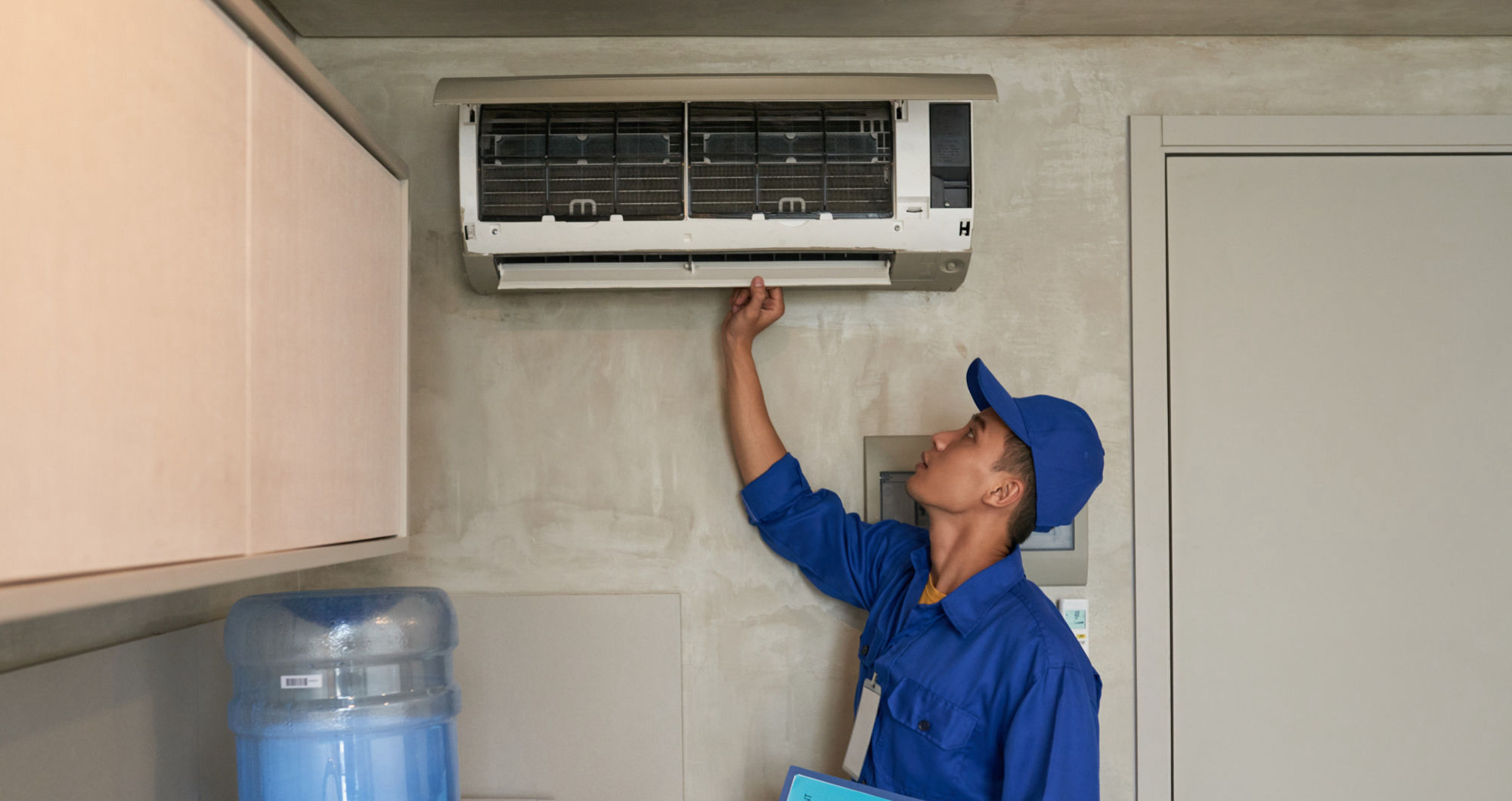
By operating more smoothly and intelligently, the domestic air conditioning unit stays in better condition for longer. As a result, scheduled maintenance becomes more about fine-tuning than repairing worn-out components — a factor that may help keep air conditioner service cost manageable.

Image Source: Hamilton Air Conditioning Ltd
2. Inverter Technology Lowers Maintenance Demands
Inverter compressors are one of the greatest advancements in the air conditioning industry. Instead of starting and stopping repeatedly, they adjust speed according to the cooling requirement.
This innovation has several maintenance benefits:
- Less stress on internal parts
- Reduced electricity consumption
- Fewer sudden temperature fluctuations
- Longer compressor lifespan
With fewer mechanical shocks and smoother operation, inverter-driven domestic air conditioning units often require fewer emergency callouts, helping homeowners avoid unexpected spikes in air conditioner service costs.
3. Advanced Filtration Improves Air Quality — With Simple Upkeep
Another area where modern units excel is air filtration. Improved filters trap dust, allergens, pollutants, and even odours more effectively. This makes them ideal for households across the UK, especially those living in urban settings.
However, while the technology is better, maintenance remains essential.
Benefits include:
- Cleaner airflow
- Reduced indoor allergens
- Better system efficiency
- Less strain on the motor
Homeowners simply need to clean or replace filters at recommended intervals. Failing to do so can still increase energy usage, reduce performance, and elevate overall air conditioner service costs. The difference now is that filters are often easier to access, more durable, and designed with user convenience in mind.
4. Improved Materials Equal Longer Lifespans
Manufacturers have significantly enhanced the durability of modern cooling systems. Components are now built using more heat-resistant materials, corrosion-resistant coatings, and robust plastic mouldings.
For UK homes where temperature variation and humidity fluctuate throughout the year, these improvements help reduce:
- Rust
- Wear on joints
- Damage from moisture
- General structural deterioration
A stronger build means fewer repairs and lower air conditioner service cost over time. It also ensures the domestic air conditioning unit remains efficient for many years, reducing the likelihood of early replacements.
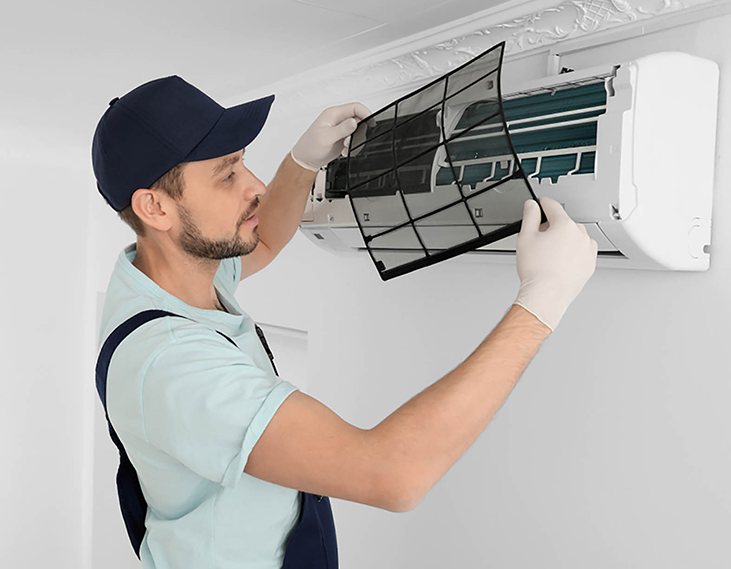
Image Source: Hamilton Air Conditioning Ltd
5. Eco-Friendly Refrigerants Simplify Maintenance
Older refrigerants were not only harmful to the environment but also more prone to leaks, which could lead to costly repairs.
Modern units typically use advanced refrigerants that:
- Perform better at lower pressures
- Reduce compressor strain
- Are more energy efficient
- They are easier to manage during servicing
This results in fewer refrigerant-related issues and contributes to more predictable air conditioner service costs. Technicians spend less time troubleshooting leaks and more time carrying out routine checks.
6. Quieter Operation Reduces Vibrational Damage
A common complaint about older AC units was the noise — rattling, humming, or buzzing. These sounds often indicated loose components or mechanical stress. Today’s systems are engineered for quiet performance, thanks to better insulation, redesigned fan motors, and improved airflow technology.
Quieter operation leads to:
- Less vibration-related damage
- Fewer loose connections
- Extended motor and fan life
With fewer operational stresses, your domestic air conditioning unit stays in top condition, resulting in fewer repair needs and more predictable air conditioner service costs.
7. Self-Cleaning Features Reduce Manual Labour
Many new AC models include self-cleaning modes that help minimise dust build-up on internal coils. This is especially beneficial in UK homes where dust, pollen, and household debris accumulate quickly.
Self-cleaning functions:
- Improve airflow
- Reduce mould growth
- Maintain cooling efficiency
- Lower the frequency of deep cleaning
While professional servicing is still necessary, these features reduce the amount of manual cleaning required, preventing issues that would otherwise contribute to higher air conditioner service cost.
8. The Importance of Regular Maintenance in a High-Tech Era
Despite all the advancements, one truth remains: no technology is maintenance-free. Every domestic air conditioning unit still needs professional servicing to ensure peak performance.
Regular maintenance helps:
- Detect early signs of wear
- Keep energy bills lower
- Maintain warranty protection
- Extend system lifespan
Even though modern units reduce the intensity of upkeep, skipping maintenance can still lead to unexpected breakdowns and rising air conditioner service costs. With high-performance systems, small issues can escalate quickly if ignored.
Conclusion
Whether you’re upgrading your current system, seeking energy-efficient solutions, or planning regular maintenance, our team is committed to providing high-quality, dependable service you can trust.
From installation to long-term support, we ensure every project is completed with precision, care, and attention to detail. So, if you’re ready to create a perfectly comfortable environment that supports your lifestyle or business goals, Hamilton Air Conditioning is here to help — keeping you cool, efficient, and worry-free all year round.