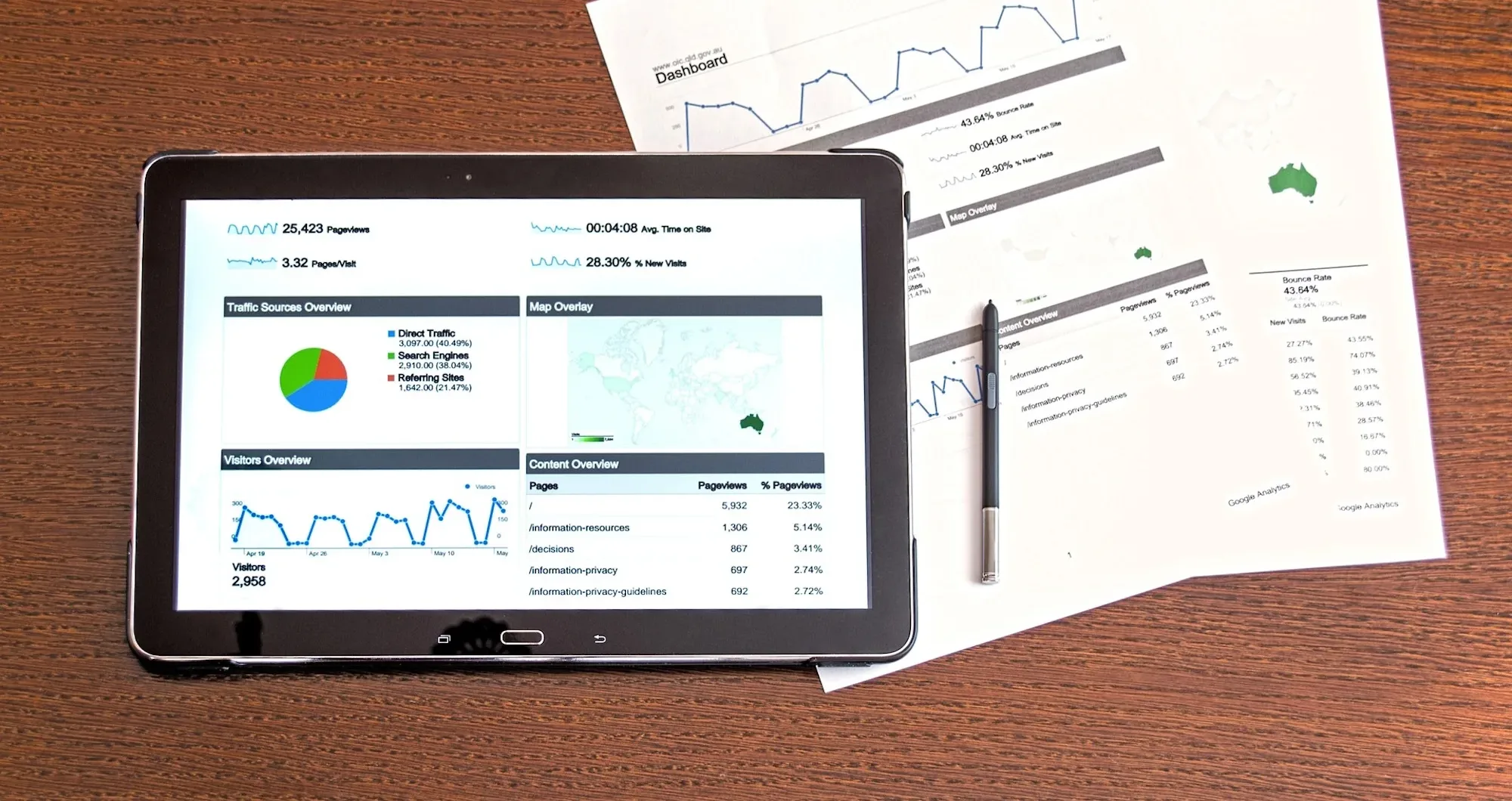

In the digital age, a website is more than just an online presence; it is a powerful tool that can drive growth, enhance customer engagement, and boost revenue. To unlock its full potential, businesses must embrace website analytics, a process that provides actionable insights into user behaviour, performance metrics, and optimisation opportunities.
This blog explores how businesses can benefit from website analytics and why it is an indispensable tool for success.
What Is Website Analytics?
Website analytics involves collecting, measuring, and analysing data generated by website visitors. By using specialised tools like Google Analytics, businesses can monitor key metrics such as traffic sources, bounce rates, session duration, and conversion rates. These insights allow organisations to make informed decisions and enhance their digital strategies.
Benefits of Using Analytics on a Website
1. Improved User Experience (UX)
Website analytics helps businesses understand how users interact with their site. Insights into navigation patterns, click behaviour, and time spent on pages can highlight areas for improvement. By addressing these issues, businesses can create a more user-friendly and engaging website that meets visitors’ needs.
2. Data-Driven Decision-Making
Rather than relying on assumptions, businesses can use website analytics to base decisions on real data. Whether it’s redesigning a landing page or launching a new campaign, analytics provides clarity on what works and what doesn’t.
3. Enhanced Marketing Strategies
Analytics tools help identify which marketing channels drive the most traffic and conversions. By analysing metrics like source/medium reports, businesses can allocate resources more effectively, whether it’s SEO, social media, or paid advertising.

4. Conversion Rate Optimisation (CRO)
Website analytics reveals critical insights into the user journey. By tracking conversion funnels, businesses can identify bottlenecks and optimise the process to improve conversion rates, whether it’s signing up for a newsletter or completing a purchase.
5. Increased ROI
Understanding visitor behaviour allows businesses to focus on high-performing strategies while reducing investments in underperforming areas. This targeted approach increases the return on investment (ROI) for both marketing and operational efforts.
6. Audience Segmentation
Website analytics tools allow businesses to segment their audience based on demographics, location, interests, and behaviour. This segmentation enables personalised marketing campaigns that resonate with specific customer groups.
7. Real-Time Insights
Modern analytics tools offer real-time data, allowing businesses to respond immediately to trends or issues. For example, if a campaign suddenly drives high traffic, businesses can capitalise on the momentum with targeted offers or promotions.
Key Metrics to Track for Maximum Impact
To reap the benefits of website analytics, businesses should monitor key metrics that align with their goals.
Traffic Sources
Understanding where visitors come from—organic search, paid ads, social media, or referrals—helps refine marketing strategies.
Bounce Rate
A high bounce rate indicates that visitors are leaving without engaging. This metric can signal issues with content relevance or site usability.
Session Duration
Longer session durations typically indicate that users find the content engaging and valuable.
Conversion Rates
Tracking how many users complete desired actions (e.g., purchases, form submissions) provides insights into site performance.
Page Load Time
Slow websites lead to user frustration and high abandonment rates. Analytics can identify and resolve performance bottlenecks.
Tools for Effective Website Analytics
Businesses can leverage various tools to analyse website data, including:
- Google Analytics: A comprehensive and widely used platform offering insights into user behaviour and site performance.
- Hotjar: Provides heatmaps and session recordings to visualise user interactions.
- Adobe Analytics: A robust tool for advanced tracking and in-depth reporting.
- SEMrush: Offers traffic analysis and SEO performance insights.
Real-World Applications of Website Analytics
E-commerce
Analytics can identify which products are most popular, track cart abandonment rates, and optimise the checkout process to increase sales.
Content Marketing
By analysing which blog posts or videos receive the most engagement, businesses can create more targeted and impactful content.
Lead Generation
Website analytics helps fine-tune landing pages and forms to maximise lead generation efforts.
Customer Retention
By tracking user engagement metrics, businesses can identify loyal customers and develop retention strategies, such as loyalty programs or exclusive offers.
Challenges and Solutions in Website Analytics
Challenge: Overwhelming Data Volume
With vast amounts of data available, it’s easy to feel overwhelmed.
Solution: Focus on key metrics aligned with your business goals to streamline the analysis process.
Challenge: Data Privacy Compliance
Regulations like GDPR require businesses to handle user data responsibly.
Solution: Use compliant tools and clearly communicate data policies to users.
Challenge: Misinterpretation of Data
Without proper expertise, data can be misinterpreted, leading to flawed strategies.
Solution: Invest in training or hire skilled analysts to ensure accurate interpretations.
Conclusion
Integrating website analytics into your business strategy is not just an option but a necessity in today’s competitive environment. By leveraging analytics tools, businesses can enhance user experience, optimise marketing efforts, improve conversions, and maximise ROI. The actionable insights gained from analytics pave the way for sustained growth and innovation.
If you are looking for the Data analytics offline Course in Delhi, Noida, Ghaziabad, and all cities in India, we offer industry-leading training programs designed to equip you with essential analytical skills. Enrol now and transform your understanding of data into impactful business strategies!
Feature Image by Pexels from Pixabay