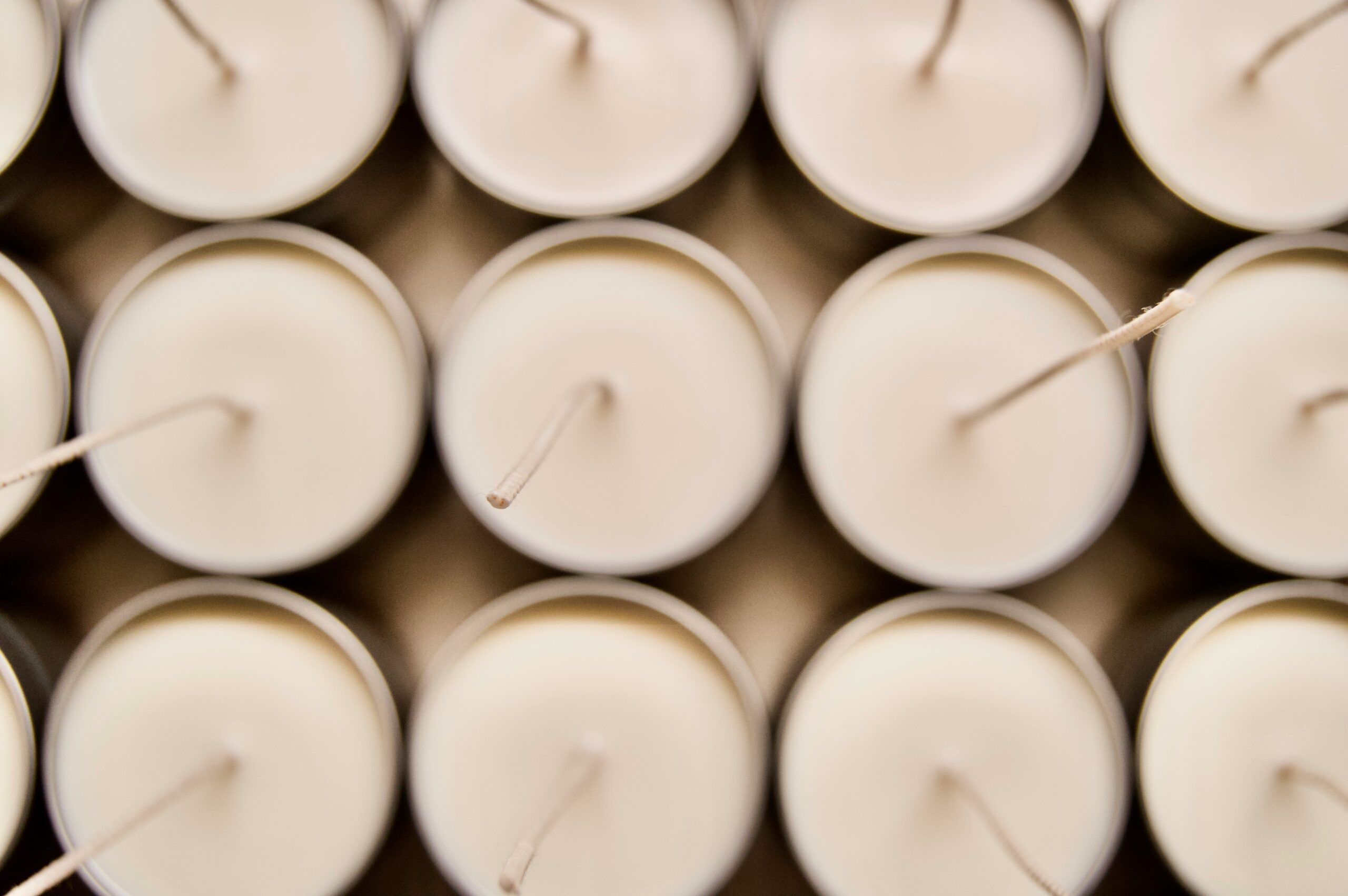

Candle enthusiasts tend to focus more on wick size, wax type, and scent when shopping for candles; however, the container also plays an essential part. Heat distribution within its interior plays an integral part in its performance as far as burn quality goes; its flow affects fragrance release, safety, and general longevity of a flame; knowing this relationship makes it simpler to understand why some candles burn evenly while others tunnel, smoke, or waste wax.
What Heat Distribution Means In Container Candles?
While burning candles, heat dispersion refers to how evenly warmth spreads around the container and over its wax pool surface and walls. As heat from burning candles melts the wax pool around it and warms its environment, for optimal melting performance on top, heat should radiate steadily out from its center; otherwise, uneven melting, too much residue on sides, or unstable flame can all result from ineffective heat distribution.
By making sure the wax melts at an appropriate rate, an effective heat flow increases candle longevity while producing a consistent burn. Understanding Candle Container Heat helps explain why even melt pools, steady flames, and consistent fragrance release are essential indicators of a high-quality candle burn.
Impact On Melt Pool Formation
A melt pool refers to the layer of liquid wax surrounding a candle’s wick, formed when heat distribution evenly throughout its candle is sufficient to heat all sides without overheating them or tunneling (when wax only melts centrally, leaving unusable wax around its sides). A properly distributed heat source ensures proper melting, eliminating tunneling altogether while reaching all four edges without overheating them.
Diminishing melt pools due to uneven heat distribution can have detrimental consequences, impacting how a candle emits scent into the room and wasting wax. A complete melt pool helps provide more uniform scent distribution as well as cleaner burn times.
Influence On Wick Performance
Heat distribution inside containers has an enormous influence on wick performance. Too much concentrated heat may cause smoke, flickering, or soot buildup due to too much concentrated heating; on the other hand, an inadequate dispersion may mean weak flames with limited melt pool capabilities that cannot sustain themselves as easily.
Proper heat management in containers helps preserve an ideal wick temperature that supports consistent combustion, lower carbon accumulation, and eliminates frequent trimming issues.
Effect On Scent Throw
“Scent throw” refers to how well candles disperse scent into their environment. Heat is needed in order to activate aroma oils contained within wax; fragrance oils then dissipate at an even rate when heated surfaces are evenly spread out over their surface, producing pleasant and subtle scents that fill a room with pleasant fragrances.
Fragrance oils may burn too quickly near the flame or become trapped in unmelted wax near its edges if heat distribution is inefficient; however, an even flow of heat ensures your candle continues to emit an appropriate level of aroma from start to finish.
Container Material And Heat Flow
How heat enters and exits depends heavily upon the nature and characteristics of its container. Heat is handled differently in metal, ceramic, and thick glass vessels compared with plastic ones, supporting an even burn with containers that gradually store and release heat over time. Uneven melting of wax could arise due to containers heating too quickly or failing to distribute heat evenly enough.
Shape matters too: while tall or narrow containers may trap heat near their center, wider vessels help spread it more efficiently across their entirety and directly impact burn quality. These design decisions play a substantial role in how efficiently heat dissipates in an oven or burner system.
Safety And Burn Stability
Heat distribution involves both performance and safety considerations. Container walls could overheat in certain spots due to uneven heat accumulation. This increases the possibility of surface damage, cracking, or unsteady positioning as heat accumulates more in certain places than others.
Consistent heat transfer relieves container stress and preserves its structural integrity, maintaining an even flame and decreasing chances of flare-up or over smoking during long burn sessions.
Longevity And Wax Efficiency
Candles that utilise proper heat distribution often last longer due to even usage of wax; more of their available wax can be consumed when heat reaches all corners at its proper rate, eliminating residue at its edges at just the right rate and guaranteeing consistent experiences across their burn cycles and increasing value over time.
Uneven heating can reduce burn times by wasting wax or leading to performance issues that necessitate early extinguishment of flames.
Why Heat Distribution Defines Burn Quality?
Heat distribution lies at the core of burn quality – an outcome of various interdependent processes. Clean flames, complete melt pools, consistent scent release, and safe container temperatures all rely upon even heat distribution, creating a pleasurable candle experience and decreasing tunneling and sooting problems simultaneously.