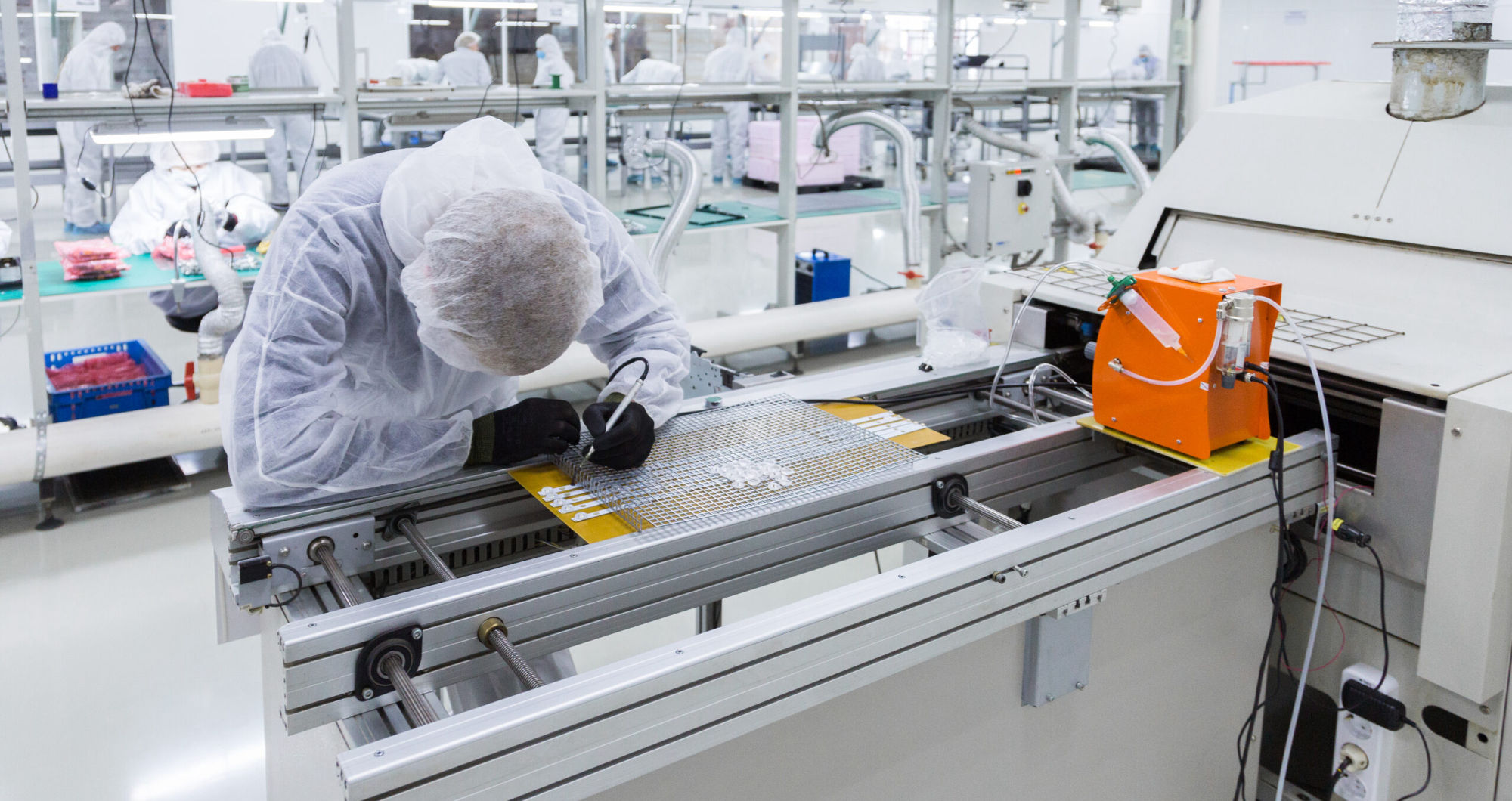

The UK’s pharmaceutical industry is one of the most advanced in the world, supplying high-quality medicines to both domestic and global markets. For manufacturers across England, Scotland, Wales, and Northern Ireland, efficient and compliant packaging is vital — not only for maintaining product integrity but also for meeting strict MHRA and EU standards. Among the many packaging formats, the blister pack remains one of the most trusted solutions for tablets and capsules, thanks to its ability to ensure hygiene, traceability, and patient convenience.
Companies like Jinlupacking, a global manufacturer of packaging and pharmaceutical machinery, provide cutting-edge solutions that help modern factories streamline production. From tablet presses and capsule fillers to cartoning systems and automated blister lines, their technology supports businesses looking to scale up efficiently. This article explores how upgrading to a modern blister packaging line can boost productivity, minimise waste, and enhance product quality — all while helping UK-based firms stay globally competitive.
The Role of a Blister Packing Machine in Modern Pharma Production
A blister packing machine forms protective cavities in plastic or aluminium foil, inserts pharmaceutical products such as tablets or capsules, and seals them for distribution. These systems, available in Alu-PVC and Alu-Alu configurations, ensure exceptional barrier performance and extended shelf life.
In UK pharmaceutical production environments, where precision and hygiene are paramount, blister machines automate multiple steps — forming, feeding, sealing, and printing — to ensure product consistency and compliance. Reducing manual intervention not only improves accuracy but also supports Good Manufacturing Practice (GMP) and traceability standards required by the UK’s Medicines and Healthcare products Regulatory Agency (MHRA).
Key Features Driving Packaging Efficiency
For UK manufacturers competing on quality and cost, efficiency is key. Modern blister lines are designed with advanced engineering features such as:
- Servo-driven motion control for precise film forming and sealing
- PLC and touchscreen controls for real-time monitoring and recipe adjustments
- Automated feeding systems to ensure consistent cavity filling
- Integrated coding modules for batch, expiry, and regulatory data printing
- Quick-change moulds that minimise downtime between product runs
These capabilities allow factories — from small-scale supplement brands to large pharmaceutical producers — to maintain continuous, reliable operations that meet both national and export market demands.
Choosing the Right Blister Type for the UK Market Needs
Blister packaging materials vary depending on the product’s sensitivity and target market. Common types include:
- Alu-PVC for cost-effective general tablet and capsule packaging
- Alu-Alu (cold-form) for moisture- and oxygen-sensitive medications
- Multi-layer laminates that combine cost efficiency with enhanced barrier protection
For medicines intended for NHS supply chains or export to Europe, selecting the right combination of materials ensures compliance and patient safety. Jinlupacking provides equipment that can adapt to all major blister types, giving UK manufacturers the flexibility they need for a diverse product portfolio.
Integrating Blister Lines with Wider Production Systems
In an efficient UK facility, blister packaging is rarely an isolated process. Modern lines are integrated with upstream and downstream systems, such as:
- Tablet presses and capsule fillers feed directly into the blister unit
- Vision systems that detect missing or damaged units
- Automated cartoning and case packing equipment for distribution
- Serialisation modules for MHRA and EU FMD compliance
By connecting these components into a synchronised workflow, manufacturers reduce bottlenecks and boost overall throughput — critical for businesses seeking to scale operations in a competitive UK market.
Maintenance, Validation, and Regulatory Compliance
In Britain’s tightly regulated healthcare industry, reliability and validation are non-negotiable. Preventive maintenance of heating elements, servo systems, and sensors ensures continuous uptime. Equally important are IQ/OQ/PQ validation processes, which must be properly documented for MHRA audits.
Ease of cleaning and adherence to GMP guidelines make modern blister systems ideal for facilities where hygiene and cross-contamination control are top priorities. Partnering with a manufacturer like Jinlupacking, which provides technical training, spare parts, and ongoing support, ensures long-term productivity and compliance.
Economic and Environmental Benefits for UK Manufacturers
A modern blister line not only increases efficiency but also aligns with the UK’s push toward sustainable manufacturing. Automated systems reduce material waste and energy consumption while enhancing precision and output.
In addition to cost savings, better packaging integrity means longer shelf life and fewer product recalls — a vital advantage for companies supplying both the NHS and export markets. The investment in advanced blister equipment often pays off within a few years through improved yield, reduced errors, and strengthened brand trust.
Conclusion
For pharmaceutical manufacturers across the UK, investing in a blister packing machine is more than an operational upgrade — it’s a strategic move toward higher productivity, better compliance, and global competitiveness. With expertly engineered solutions from Jinlupacking, companies can achieve exceptional performance, safety, and reliability in their packaging lines.
In a healthcare ecosystem as demanding as the UK’s, efficient blister technology ensures that every dose reaches patients safely, securely, and with the quality assurance the industry demands.