
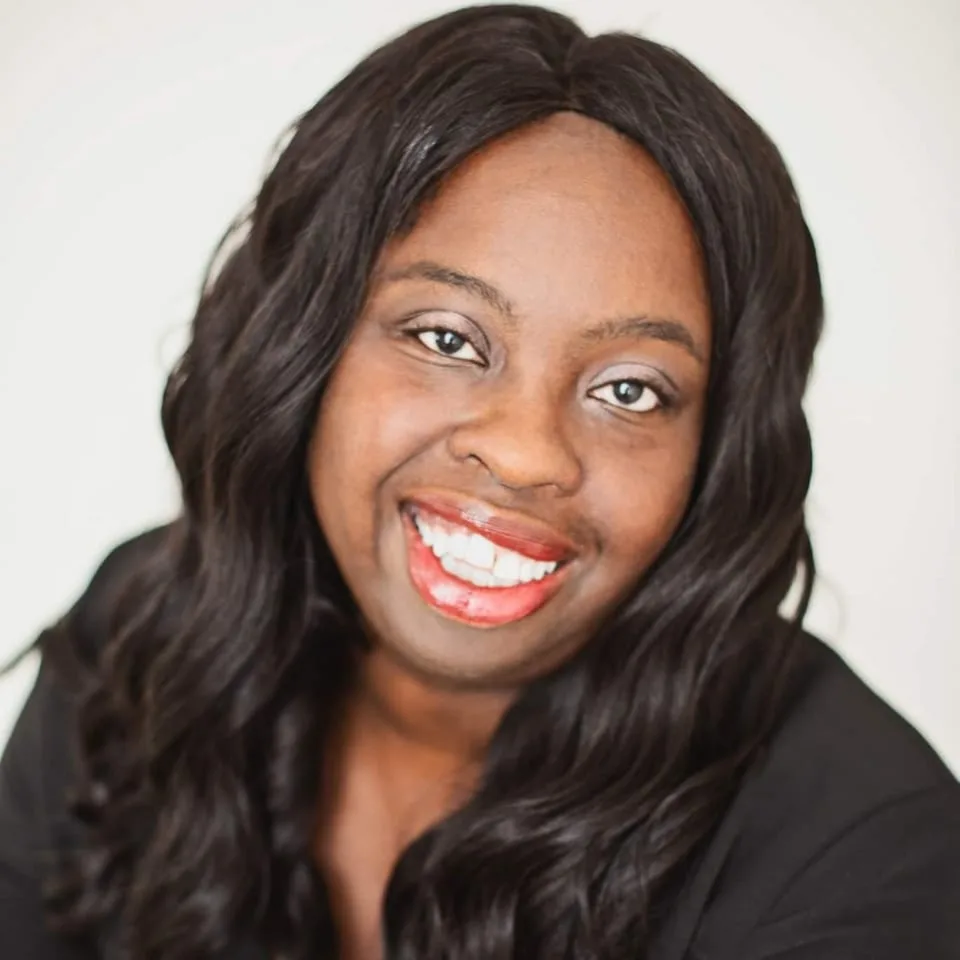
Aisha Suleiman is an award-winning diversity and inclusion leader, entrepreneur, and keynote speaker. In recognition of her work in the diversity and inclusion space, Aisha has been included in lists such as the Investing in Ethnicity Top 8 Future Leaders (2018) and the EMpower 100 Ethnic Minority Future Leaders (2020). Through her company, The Inclusive Culture, Aisha helps organisations achieve their diversity, inclusion, and business goals through effective employee networks as part of their journey towards a more inclusive workplace. I caught up with her to talk about diversity, allyship and her latest, exciting project.

Why did you start your business?
I was one of the founders of Amazon’s Black Employee Network – an employee resource group (ERG) in the UK. I’m very proud of what we achieved. We launched a mentorship program for students from Black and other ethnic minority communities and even worked with our Alexa team to teach Black History to users in the UK.
It was one of the first branches outside the US. I supported other employees with setting up branches in Europe. Starting and leading an ERG can be difficult, especially at the beginning when you’re not sure what to do. In the beginning, I spent a lot of time researching how to start an ERG online and speaking to people who had ERGs to figure out what to do. I created my program to help organisations start employee resource groups effectively. It’s the program I wish I had when I started an ERG.
What has been the biggest highlight of your career?
Writing and directing a series of short films called True White Allies. I created True White Allies to share the forgotten history of White people who stood up against racism in the US and UK – as far back as the 1700s.
How did you get the idea for True White Allies?
In 2020, I realised that when most people think about a champion of racial equality and justice from history, a Black or Brown person usually comes to mind. I thought to myself, “Surely some White people fought against things like slavery and colonialism.” But I couldn’t think of any, so I thought, “I’m going to find them.” When I began my research and thought I would struggle to find White people who were anti-racist. But I found many of them, and I think the world needs to know about them.
Why is the project so important?
Being anti-racist is nothing new. There are plenty of examples of White people being anti-racist throughout history, some much further back in history than you might think. But often, when we think about who has been at the forefront of the fight for racial equality, a Black person or person of colour comes to mind. This leads to thinking that the responsibility of tackling racism lies with those most impacted by it.
We need to change this narrative. Solving racism is everyone’s issue. I see the eight individuals I showcase in True White Allies as powerful role models, representing what it truly means to be an ally.
It’s important to highlight that White people have been part of the fight for racial equality for centuries.
What do you hope to achieve from it?
I hope that sharing these stories will inspire more people to become anti-racist so that we’re not still fighting racism in another hundred years.
Each of the people in the films has a lesson to teach. The biggest lesson we can learn from all of them is being an ally is about action – it’s not about what you say. I hope the people in the films can inspire us to stand up against racism, especially within institutions, even if it doesn’t make us popular.
Allyship tends to be seasonal. Do you think things have really changed in the last 20 years?
I think there have been some changes. According to McKinsey’s Problems amidst progress report, unemployment has fallen at least three percentage points for all ethnic-minority groups since 2004 in the UK. However, there are still some gaps compared to the White population, especially among women.
I believe 2020 forced people to have honest conversations about race in the UK. The BLM protests we had here were saying, “The UK is not innocent. We have our own problems too.”
We need to keep the conversations going while ensuring the talk is backed up with action. We can look to the past for examples of what to do and what not to do.
How can organisations become more inclusive and true allies?
Education is essential, for example, understanding how individual racism adds up and creates systemic racism. How will you tackle it if you don’t know what racism is or you’re in denial of its existence? Auditing your processes and systems to ensure they are equitable and inclusive is an excellent way to put what you’ve learned into practice.
I recommend…
- Listen to your employees as they usually have the answers you need. This is where employee networks like employee resource groups can help.
- Partner with different communities and organisations to guide you.
Featured Image Photo by Kelly Searle on Unsplash