
Whether you’re an employer or an employee, you should know the benefits of short breaks during working hours. As an employer, you will appreciate the extra productivity your employees generate through the stress relief this exercise brings. Those few free minutes also improve staff attitudes, well-being and mental health.
If you’re an employee, you’ll already notice there are perks for employers that also benefit you, and you’re more likely to enjoy your job if you take breaks throughout the day. Both micro-breaks and longer ones help prevent workplace burnout, which neither you nor your boss wants you to experience.
Why Taking Work Breaks Is Essential
Workplace burnout is very real and different from what you experience after a rough day. It happens over a prolonged period, leading you to feel drained and lack energy. You end up disliking your job on a psychological level, meaning you don’t ever want to be there. When you are there, you’re in no position to perform your work productively, leading to higher stress levels.
Burnout is a constant psychological and emotional state, meaning there’s no relief at weekends, vacation days or break times. When you reach the point of burnout, you may suffer mentally from insomnia and depression, and it can lead to constant headaches, muscular pain and even heart disease.
In other words, you don’t want workplace burnout. Fortunately, taking breaks during your daily workplace routine will help you avoid burnout and enjoy other benefits.
Increased Engagement and Productivity Levels
A rested mind means your cognitive function is sharper. As such, you remain more actively engaged in your tasks, and your productivity levels increase. Whether you’re a boss or a staff member, doing your job as efficiently and effectively as possible means you’ll end the day feeling happy that you’ve accomplished your goals.
Better Physical and Mental Well-Being
If you work at a desk all day and don’t take breaks, you’ll eventually end up dealing with increased stress or suffering a physical ailment. Whether it’s physical symptoms, such as a backache or weight gain from sitting all day, or mental fatigue and anxiety, being sedentary all the time is simply not healthy. Taking a break and enjoying a coffee with co-workers does wonders for both your physical and mental state.
Enhanced Goal-Related Focus
You have goals, whether work-related or personal. Taking a break at work every so often helps you achieve both of these. You’ll glide through the working day and still be mentally alert to pursue your own projects when you get home.
Your work breaks can define how well your domestic life goes, as you’ll be more eager and refreshed to chase your family’s dreams in the evenings and over weekends. You’ve heard of work-life balance? Breaks are a big piece of the puzzle.
Limited Decision Fatigue
In your position, you may have to make lots of decisions. These may be calls that affect other people’s jobs and lives, and the more your brain has to decide without getting a breather, the more tired it becomes.
This fatigue could result in poor decisions due to impaired judgment brought on by mental overload. Imagine you’re a surgeon performing crucial operations without any breaks — there’s less risk involved with regular pauses.
Increased Job Satisfaction
Several factors, such as feeling valued at work, your salary, working hours and workplace leadership, all contribute to job satisfaction. If your company promotes break times during your working day, you’ll naturally feel happier in your workplace.
If you’re a proactive employer, you’ll understand the pressures you place on your staff to be productive and do what you can to promote workplace harmony and efficiency. In turn, your employees will feel more appreciated.

Image by Mizuno K on Pexels – https://www.pexels.com/@mizunokozuki/
Exploring Different Types of Breaks
Now that you understand how taking breaks can benefit you, consider what types of breaks you could allow as an employer or take at work as an employee.
Lunch Break
Lunch breaks are the 30-minute or hour-long breaks most companies grant employees during a working day. Businesses design lunch periods to give their employees the opportunity to venture outside and regenerate mentally while getting some fresh air or eating a healthy lunch to assist physically.
Shorter Breaks
Shorter breaks, like a traditional tea or coffee break, will likely happen mid-morning or mid-afternoon. Some employers grant both, which allow you, as an employee, to take 15 minutes to walk around and stretch your legs. You can typically find time for a quick stroll outside and enjoy some sunshine.
Rest Days
Rest days come in several forms. Annual paid leave allows you to take an occasional extended break from work or more regular breaks for shorter periods. Employers with permanent staff members often grant them at least 15 paid days off annually, with paid time off (PTO) being a standard part of a benefits package for full-time employees.
As an employer, you might offer additional days based on an employment service period or job specification. You could also grant paid days off as incentives. Sick days, holidays and unpaid days off also fall under the rest days category of breaks.
Micro-Breaks
Last but not least are the most unconventional forms of workday breaks. Micro-breaks last a few minutes at irregular periods of the day when you can step away from your desk and give your mind time to regenerate before returning to your next task.
These breaks are commonly thought to improve productivity, relieve stress and prevent burnout. Those few minutes differentiate between emotional exhaustion and poor decision-making, promoting more job satisfaction and better engagement with fellow workers.
How to Positively Use Your Breaks
Whether a business owner or a staff member, you’re first and foremost a human being needing replenishment. The best way to refresh your body and mind is to distance yourself from your usual work environment when you take a break. Leave your desk and spend your time away doing something you enjoy.
During your lunch break, you may want to lie on the grass under a tree or catch up with colleagues at the food cart. Perhaps doing a few exercises to relieve your neck pain will do the trick. During coffee time, you could walk outside and feed the birds or write in your journal.
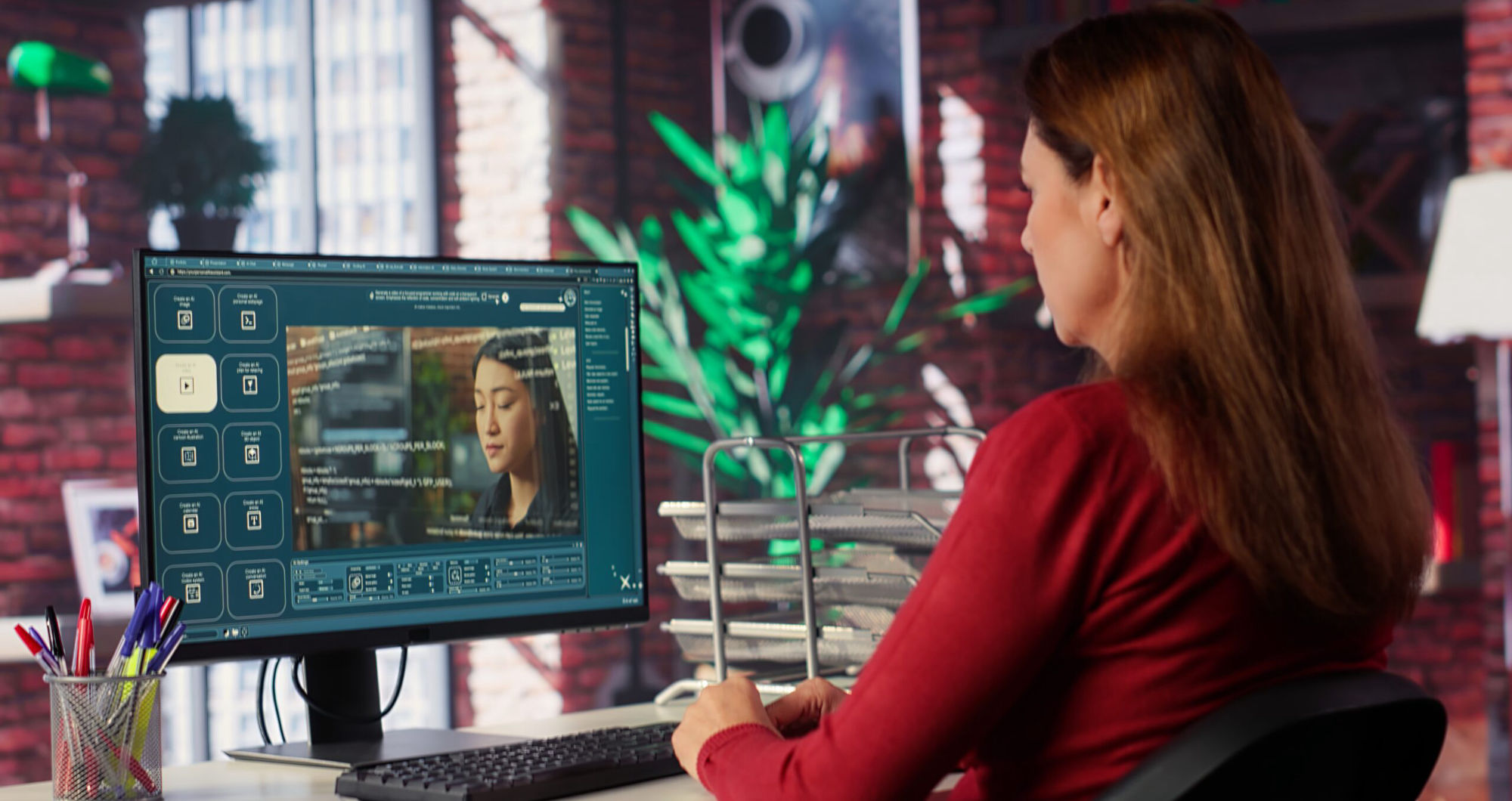
Most importantly, avoid screen time if you’re on a computer all day. Give your eyes some time off. The same applies to micro-breaking. Maybe you’ll fix yourself a cup of tea or coffee or take those few minutes to lean back in your chair, close your eyes and meditate mindfully to regain your focus between projects.
Be Happier and Healthier
The best way to prevent workplace burnout is to avoid situations that promote it. No matter your capacity within a workplace, you’ll encounter stress. You wouldn’t call it “work” otherwise. This stress can manifest itself in physical symptoms, with one study finding that people with the highest stress levels are over 30% more likely to die from cancer.
Managing this stress and maintaining a healthy body and mind can make the difference between being productive and enjoying your working life versus experiencing unnecessary stress and, ultimately, burnout. Fortunately, it’s never too late to start implementing breaks into your work routine and promoting a happier, healthier environment.
Feature image by MART PRODUCTION on Pexels