
As temperatures continue to stay high across the UK during the ongoing heatwave, it’s inevitable that many households will be using more water than usual. Extra showers, more laundry, watering the garden and paddling pools can all increase demand during hot weather, especially when lots of homes are using water at the same time.
With hosepipe bans and temporary water restrictions already affecting parts of the country, it is a good time for households to think about where water is being used most often. While outdoor water use usually gets the most attention, the bathroom is one of the easiest places to make small, practical savings every day.
From quicker showers to fixing dripping taps, online bathroom specialists Plumbworld suggest some simple changes that can help reduce water waste without making your routine feel difficult or uncomfortable.
Take shorter showers
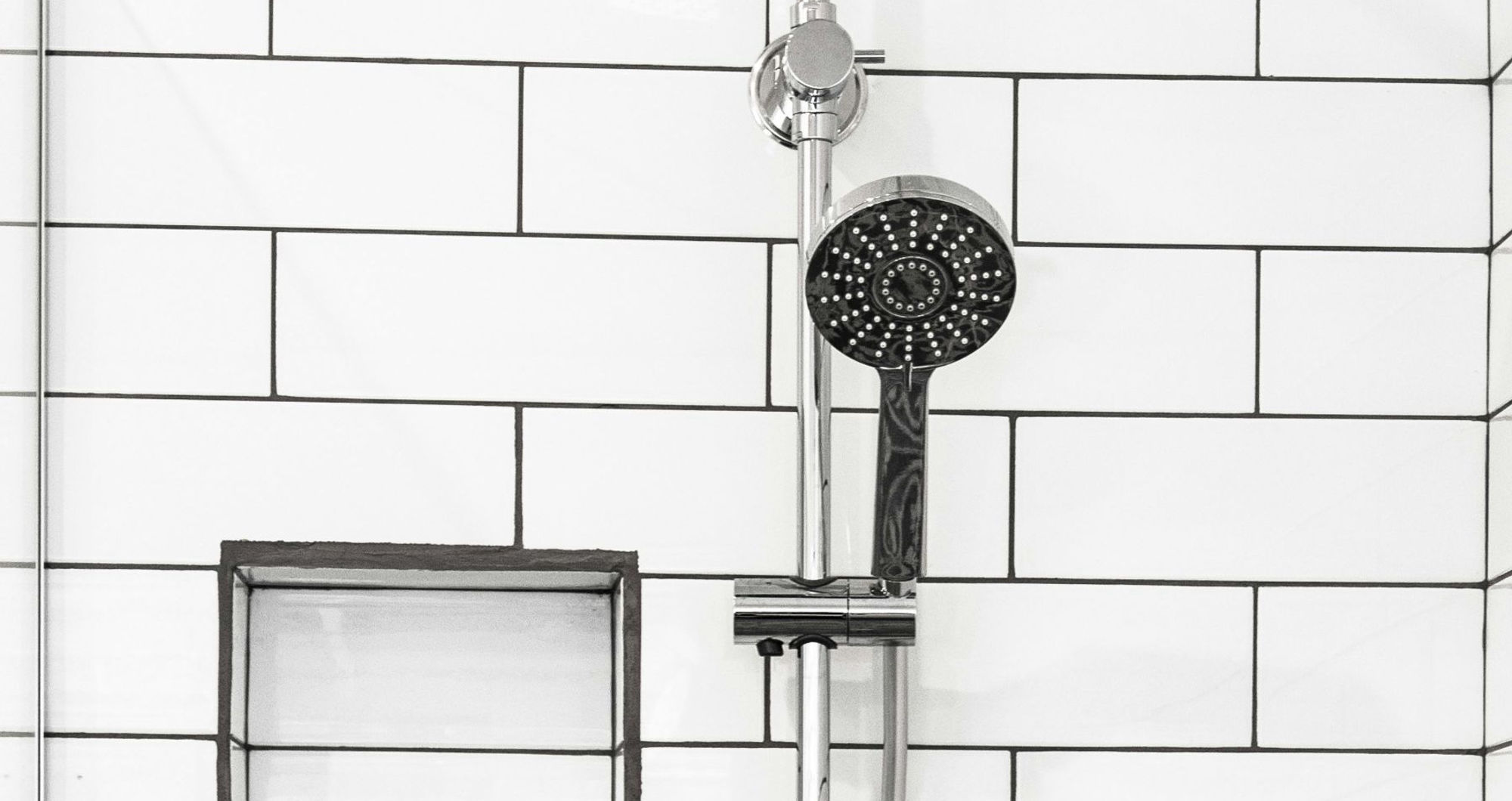
A shower can feel like the quickest way to cool down during a heatwave, but it can also use a lot of water if it is left running for too long. Try keeping showers to around four minutes, particularly during very hot spells when demand is higher.
To make this easier, get your towel, shampoo and toiletries ready before turning the water on. Avoid leaving the shower running while you choose products or wait to get in, and turn it off as soon as you have finished rinsing.
If you are updating your bathroom, it is also worth thinking about the type of shower you choose. Thermostatic showers help maintain a steady temperature, which can reduce the time spent adjusting the water before stepping in.
Choose a shower over a bath
A bath can be relaxing, but during hot weather, a quick shower is usually the more water-conscious choice. This is especially true in busy family homes, where several people may be showering more often after being outside, exercising or commuting in the heat.
If your household still needs a bath, a shower bath can offer a practical compromise. It gives you the option of a soak when needed, while still providing the everyday convenience of an over-bath shower. Pairing it with a bath screen can also help keep water contained and make the space easier to use.
Turn off the tap between uses
Leaving the basin tap running while brushing your teeth, shaving or washing your face is one of the easiest habits to change. Turn the tap off between rinses and only use what you need.
This small switch can make a noticeable difference when repeated across the whole household, especially in bathrooms, ensuites and downstairs cloakrooms that are used several times a day.
If you are replacing your bathroom taps, basin mixer taps can be a useful choice. They allow hot and cold water to be controlled from one spout, making it easier to get the right temperature without leaving water running for longer than necessary.
Fix dripping taps and leaks quickly
A dripping tap might not seem like an urgent problem, but it can waste a surprising amount of water over time. During a heatwave, when households are being asked to use water more carefully, small leaks become even more important to deal with.
Check basin taps, bath taps and shower fittings after use to make sure they are not still dripping. If a tap continues to run once fully turned off, it may need a replacement washer, cartridge or internal part.
It is also worth looking under the basin and around the bath for damp patches, water marks or pooling. Spotting a small leak early can help prevent wasted water and avoid more costly repairs later.
Check your toilet flush
Toilets are used many times a day, so a faulty flush or leaking cistern can waste water without being immediately obvious. Signs to look out for include water constantly trickling into the pan, or the cistern refilling when nobody has flushed it.
If your toilet keeps running after flushing, the issue could be with the flush valve, inlet valve or another cistern component. In many cases, replacing the faulty part can solve the problem without needing to replace the whole toilet.
If you are planning a bathroom renovation, a modern dual-flush toilet is a more water-conscious choice. It gives you two flushing options, so you can use the smaller flush where suitable.
Use the small flush properly
If your toilet has a dual-flush button, make sure everyone in the household knows how to use it. Some buttons are split into two sections, while others work with a short-press and long-press system.
It is a simple, everyday habit, but it can help reduce unnecessary water use without changing your routine.
Keep cool without overusing water
A quick cool shower can help during hot weather, but it should not be the only way to stay comfortable. Keep curtains or blinds closed during the hottest part of the day, use fans where suitable, wear lightweight clothing and drink plenty of water.
If you do take an extra shower to cool down, keep it short. A quick rinse can help you feel fresher while still keeping water use under control.
Reuse water carefully
Some households reuse water from baths, basins or showers for outdoor plants during dry weather. This can be useful, but it needs to be done carefully.
Avoid reusing water that contains bleach, strong cleaning products, disinfectants or heavy soap residue. Let the water cool first, use it as soon as possible and check local advice if water restrictions are in place.
Bathroom upgrades that can help
If you are already planning a bathroom update, it is a good opportunity to choose fixtures that support more efficient water use. Thermostatic showers, dual-flush toilets, basin mixer taps and shower baths can all help make the bathroom more practical for everyday life.
During a heatwave, every litre counts. By taking shorter showers, turning taps off, fixing leaks and using bathroom fittings properly, households can reduce waste and help ease pressure on water supplies while still staying comfortable at home.