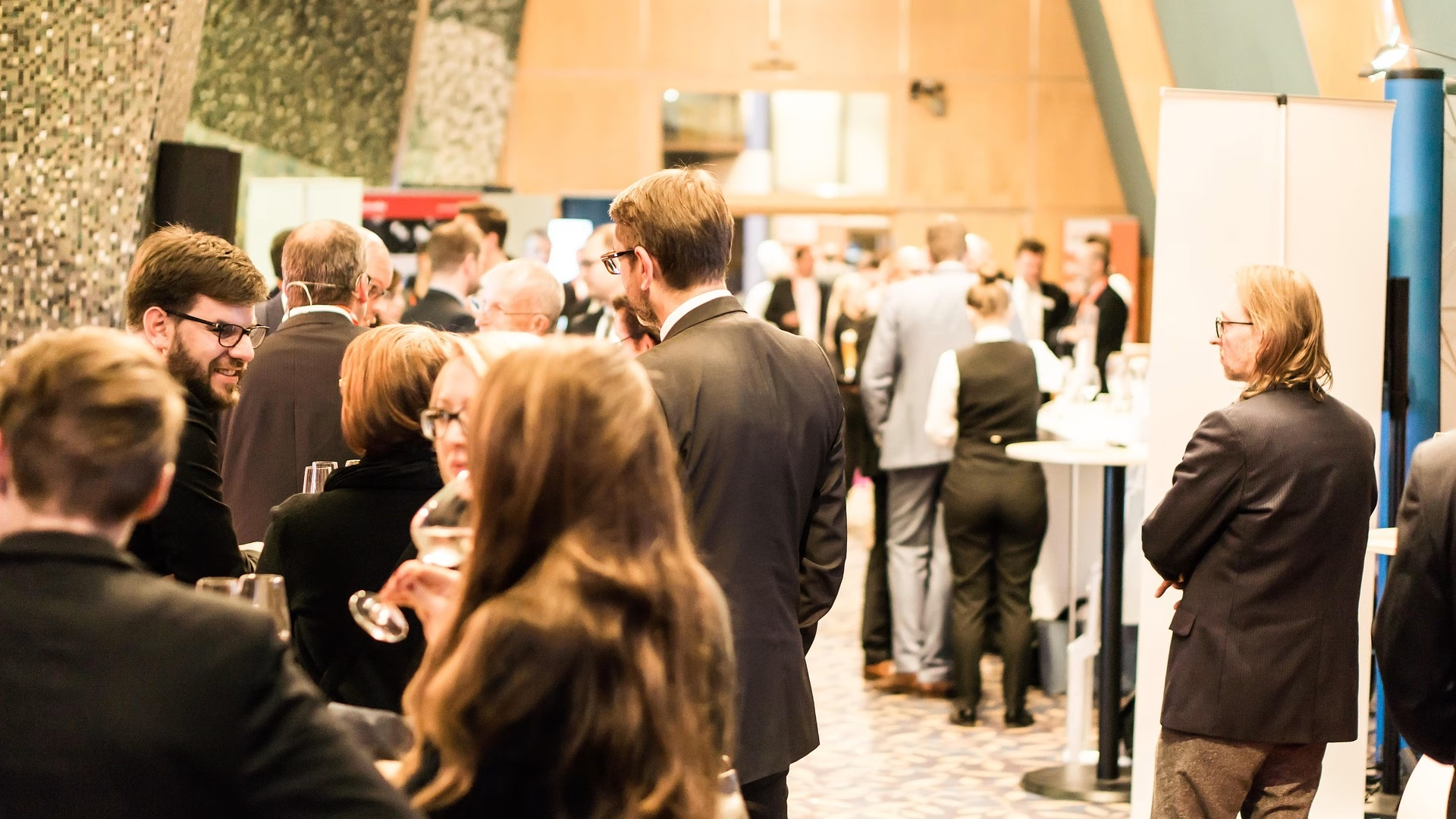

Business events are often seen as crowded rooms filled with name tags, handshakes, and hurried chats. But beneath the surface, there’s a wealth of untapped potential. The real magic happens when you shift your mindset from simply attending to actively creating opportunities.
Whether you’re there to meet future clients, discover new partnerships, or simply learn something useful, these occasions can open doors that don’t exist anywhere else. It’s not about working the room like a salesperson; it’s about recognising where genuine value lies. Here’s how to turn those fleeting encounters into lasting opportunities.
Preparation: Setting the Stage
Imagine walking into a busy hall without a clue who’s there or what you’re looking for – it’s like entering a play without knowing your lines. Preparation is what transforms business events from vague gatherings into focused opportunities. Before you arrive, check the attendee list, the agenda, or even which companies are sponsoring. Having a sense of who you’d like to meet makes conversations easier to start and far more purposeful.
It also pays to refine your introduction. Think less “corporate speech” and more “friendly snapshot.” You don’t need to tell your entire story; just craft a short, memorable explanation that makes people curious. Even the small details, like preparing a couple of thoughtful questions, help you approach conversations with confidence. Walking in with this kind of groundwork already done means you’re not just reacting to the event – you’re steering your way through it with intention, much like seasoned trade show specialists.
The Art of Connection
Conversations at business events can be awkward if they feel transactional. Nobody enjoys being cornered by someone rattling off a pitch. The best opportunities come from connections that feel human, not rehearsed. So how do you make that happen? By showing genuine curiosity. Ask open questions that give people room to talk, and listen in a way that shows you’re actually interested.
Body language plays a part too. A relaxed stance, eye contact, even the way you nod along – all of it adds up. Sprinkle in humour when the moment feels right, because laughter breaks barriers faster than polished lines ever could. If you treat each person as more than just a potential lead, you’ll naturally stand out.
The truth is, people are more likely to remember how you made them feel than what you said. That feeling of ease is where real opportunities start growing, especially with event industry experts.
Spotting Value in B2B Events
B2B events are often packed with exhibitors, presentations, and networking sessions. It’s easy to get swept along in the flow and leave with a stack of business cards that lead nowhere. The smarter move is to be selective. Pay attention to the themes that keep cropping up in conversations – what challenges are people mentioning again and again? Spotting those patterns gives you valuable insight into where demand is bubbling under the surface.
Not every encounter has to be about a direct sale. Sometimes, the biggest opportunities come from collaborations you didn’t expect. That supplier you nearly walked past might know a contact who could change your business. Or that casual chat at the coffee stand could spark a partnership months later. The trick is staying alert, not just to who’s there, but to the connections between them. Meetings industry exhibitors know this well: opportunity often hides in unexpected places.
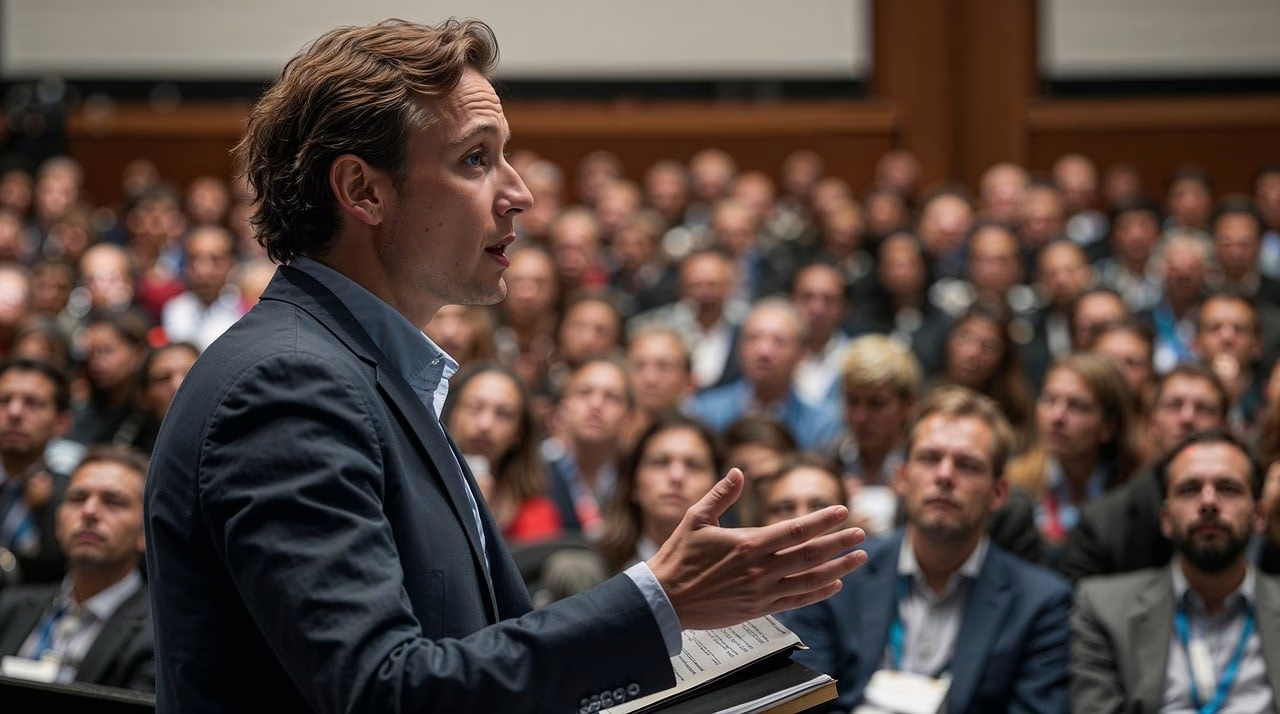
Building Relationships Beyond the Room
The event might last a day or two, but the relationships you start there can last for years – if you nurture them properly. Too often, follow-up messages feel cold and formulaic, which is why they go ignored. The better approach is to keep things personal. Reference something you discussed, whether it was a shared laugh, a mutual challenge, or even a topic completely unrelated to work. That spark of familiarity helps people remember you.
Timing matters too. Reaching out within a few days shows you value the connection while the memory’s still fresh. And consistency beats intensity – you don’t need to bombard someone with messages, just check in now and again with something genuinely useful. Share an article they might like, or connect them with someone in your network. In the MICE industry, this kind of thoughtful follow-up is what transforms brief introductions into long-term, fruitful relationships.
Turning Insights into Action
Business events don’t just offer contacts – they offer ideas. Talks, panel sessions, and casual chats all provide insights you can take back to your business. The key is actually using them. Jot down notes, not just on what was said, but how it could apply to your situation. Then, set aside time after the event to sort through what’s worth acting on. It might be a new tool someone mentioned, a market trend you hadn’t considered, or a fresh way of positioning your product.
Acting quickly matters; let ideas gather dust, and the energy fades. Share highlights with your team, spark internal discussions, and test out the most relevant suggestions. By turning insights into concrete steps, you show that your time at the event wasn’t just about handshakes, it was about progress. That’s why seasoned trade show specialists often say the follow-through is what separates success from wasted potential.
Summary
Turning business events into genuine opportunities takes more than showing up. It’s about preparing with purpose, creating connections that feel authentic, and spotting value where others might not.
B2B events in particular are fertile ground, but only if you follow through – building relationships after the fact and applying new insights back at work. Whether you’re collaborating with event industry experts, chatting to meetings industry exhibitors, or learning from MICE industry veterans, the same truth applies: the most valuable opportunities don’t appear by chance – they’re created through intention and genuine human connection.
Feature image by SNCR_GROUP on Pexels