
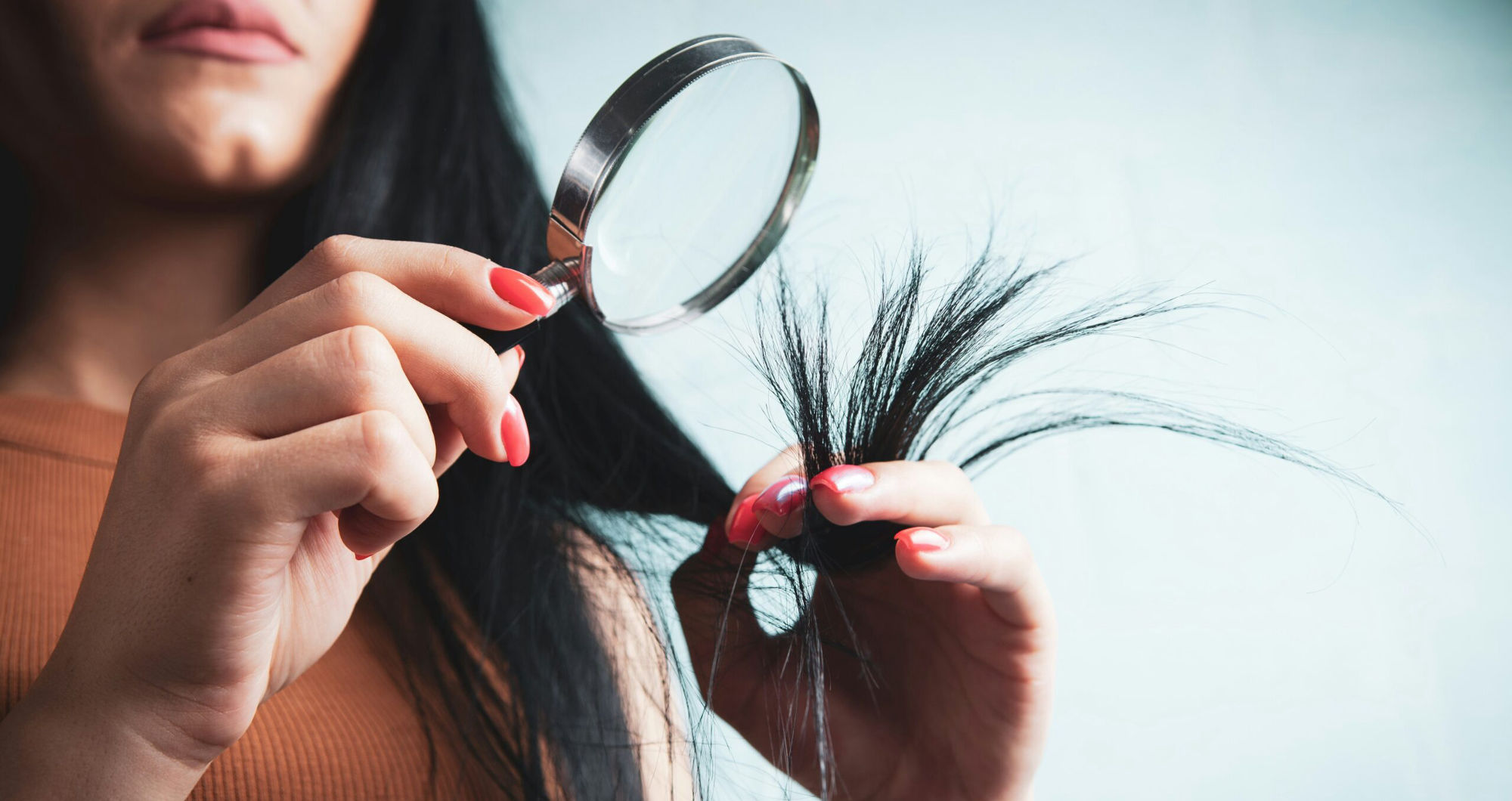

When new mothers look in the mirror months after giving birth, many expect dark circles, stretch marks and exhaustion.
What they don’t expect? Handfuls of hair in the shower.Strands on their pillow. A widening parting they swear wasn’t there before.
For thousands of women, postpartum hair loss feels like the final blow after months of physical and emotional change. But experts say it’s one of the most misunderstood and most distressing parts of motherhood.
And now, as global stars like Rihanna speak openly about their postpartum hair struggles, the silence is finally breaking.
“This is biology and not failure”
Dr Mohamed, Hair Restoration Expert & Medical Director, at City Clinics, says the fear he sees in new mothers is overwhelming, but unnecessary.

Dr Mohamed – Hair Restoration Expert & Medical Director, City Clinics
“Many new mothers notice a sudden increase in hair shedding a few months after giving birth, which can feel alarming, but it’s a normal physiological process,” he explains.
“During pregnancy, elevated oestrogen levels prolong the hair growth phase, so fewer hairs fall out. After delivery, hormone levels rapidly return to pre-pregnancy levels, causing a large proportion of hairs to enter the resting phase at the same time — that’s why shedding can feel so dramatic.”Shedding typically begins two to four months postpartum and often lasts three to six months, with hair density usually returning by the baby’s first birthday. “While the shedding is generally diffuse across the scalp, some women perceive it as patchy, especially around the hairline and temples. True patchy hair loss is less common and may indicate another condition, such as alopecia areata or traction-related hair damage.”
When stress makes it worse
Dr Mohamed says modern motherhood can intensify the problem.“Stress, sleep deprivation, nutritional deficiencies, or thyroid imbalances can worsen shedding, which is why we often run blood tests to rule out underlying issues.” He says simple, supportive care can make a real difference.
“Gentle hair care, adequate protein and micronutrient intake, and managing stress can all support regrowth.”
In persistent cases, medical treatment may be considered — but panic is not the answer.“Topical minoxidil can be considered once medical assessment and breastfeeding considerations are discussed. Hair transplant surgery is rarely needed for temporary postpartum shedding — the biggest mistake is panic-driven over-treatment, which can worsen breakage.”
Why celebrity voices matter
Dr Mohamed says seeing famous women speak openly is changing everything.“Stories like Rihanna’s help reassure women that hair shedding is a shared experience and reduce the stigma around postpartum body changes,” he says.
“The key message is: your hair is not permanently falling out, it’s simply adjusting to your post-pregnancy hormonal shift.”
For thousands of women watching their hair fall faster than they can cope, that message may be the one that finally brings relief.
Because sometimes, the most powerful thing you can hear is:
This is normal. And it will pass.







