
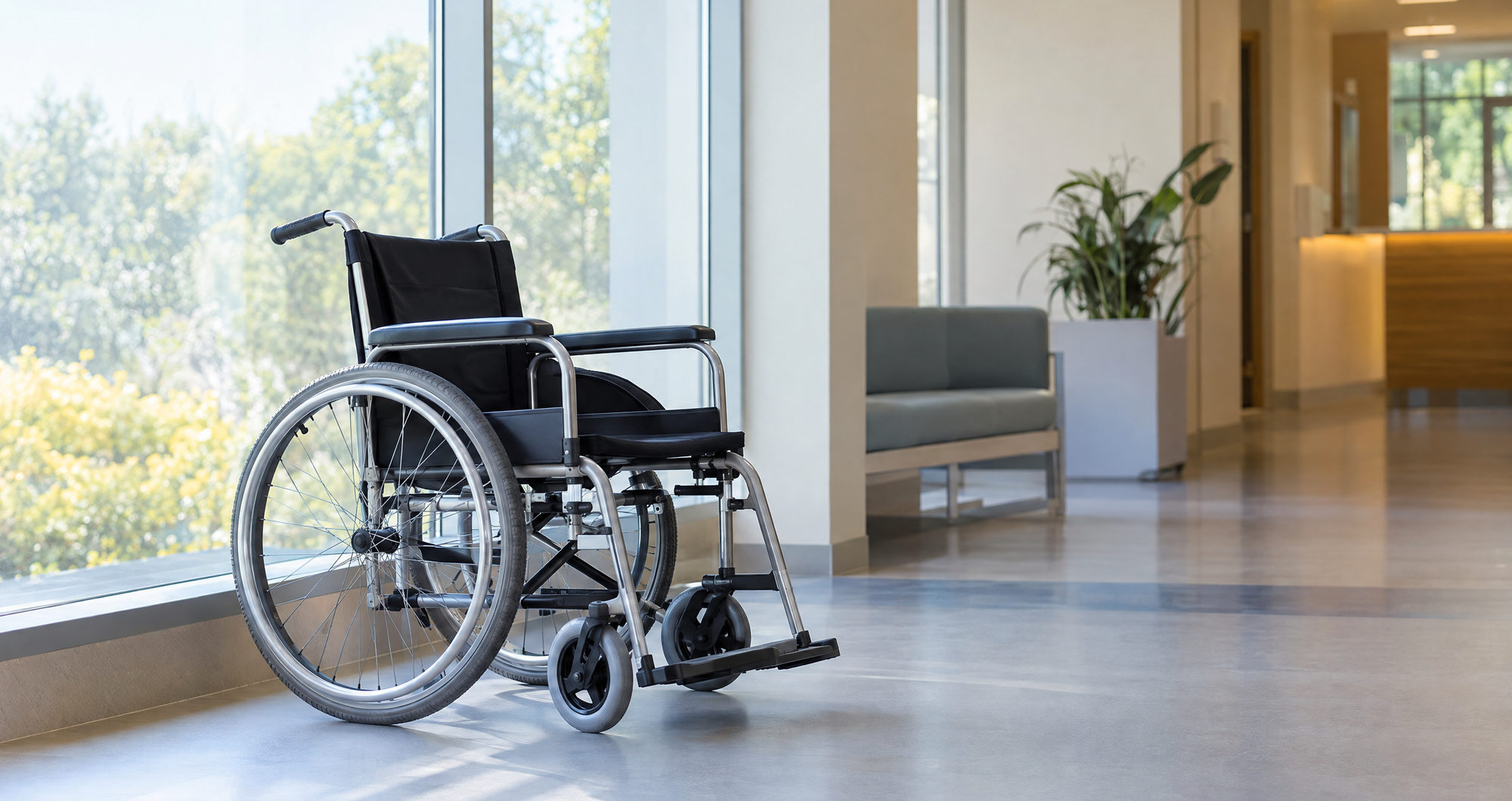

People who rely on wheelchairs have faced waits of months and, in some cases, years for suitable equipment or repairs, the Public Service Ombudsman has warned in a report calling for national action to improve services in England.
The report examines how wheelchair services are planned, funded and organised. It says weaknesses in that process can undermine people’s safety, dignity and independence, with consequences for education, work and social activities.
The ombudsman received eight complaints about wheelchair services in 2020–21 and 110 in 2025–26. More than 80% of the complaints concerned services delivered by an independent provider rather than an NHS body, it said. Most concerned waits far beyond an 18-week target for equipment or parts.
Those figures count complaints to the ombudsman, not everyone who has experienced a delay. The cases described in the report illustrate what can happen when provision goes wrong; they do not establish that every wheelchair user faces the same wait.
The effect of a long wait
In one case, a child was three when he waited seven months for a suitable wheelchair. The ombudsman said he was unable to start nursery without it and missed both education and specialist therapies available there. His family used an adapted buggy in the meantime, but he fell and injured himself several times.
Another case involved a man assessed as urgently needing a replacement wheelchair. A chair was due no later than August 2023, but the one supplied in September 2024 did not work properly. He did not receive a fully working replacement until October 2025.
He described becoming uncertain about going out independently because of problems with the chair. The ombudsman said difficulties obtaining suitable equipment and repairs can affect the ability to take part in everyday life.
How services are organised
Integrated care boards are the NHS bodies responsible for commissioning local wheelchair services. They arrange provision to meet local needs, and services can be delivered by NHS organisations or contracted to other providers.
The ombudsman identified several barriers to effective commissioning. They include unreliable information about the number of people who need wheelchairs, a provider market with limited competition and unclear routes for escalating concerns when providers perform poorly.
It also found weaknesses in the sharing of information between care boards. Funding arrangements and eligibility criteria, it said, do not sufficiently support the social, educational and employment outcomes that matter to disabled people.
The report calls on the government and NHS England to improve national oversight and collect more reliable information about wheelchair users. It recommends helping care boards develop the skills to commission sustainable, person-centred services and creating a consistent approach to measuring and using users’ experiences.
The ombudsman said complaints and feedback could provide insight into problems, but that the current system was not making enough use of them to improve services and assess outcomes.
Response from the NHS and a provider
An NHS spokesperson said long waits were unacceptable. The spokesperson pointed to a wheelchair quality framework developed with wheelchair users, which sets an expectation that 92% of people receive equipment within 18 weeks and calls for regular performance meetings between commissioners and providers.
The framework also covers stages beyond the initial referral, including fitting, follow-up, repairs and maintenance. It says people should be given information about delays and how to seek support when equipment needs repair.
The ombudsman said most complaints it received about independent providers related to AJM Healthcare. It had written to the company in 2024 about growing complaint numbers. The ombudsman said the management team had since changed, accepted its investigation findings and recommendations, and taken a proactive approach to remedies for complainants.
AJM said it had changed how it managed waiting lists, kept people informed, worked with commissioners and suppliers, and handled complaints. The company welcomed the recommendations and said it wanted to work with the NHS, government and wheelchair users on improvements.
The Wheelchair Alliance welcomed the report’s recognition of unreliable data, gaps in accountability and failures to listen when things go wrong. It called for wheelchair users to be involved in shaping services and for success to be measured by the difference those services make to their lives.







