

Germany is set to elect its first female head of state following the Christian Democrats’ decision to nominate Ilse Aigner for federal president. Chancellor Friedrich Merz announced the choice in Berlin on 9 November, putting the Bavarian politician on course to succeed Frank-Walter Steinmeier when his term ends in March 2027.
Aigner, 61, is president of the Bavarian state parliament and a former federal agriculture minister. Her nomination has the backing of her own party, the Christian Social Union, as well as Merz’s Christian Democratic Union. The Social Democrats have also signalled their support, giving her a strong parliamentary foundation for the election.
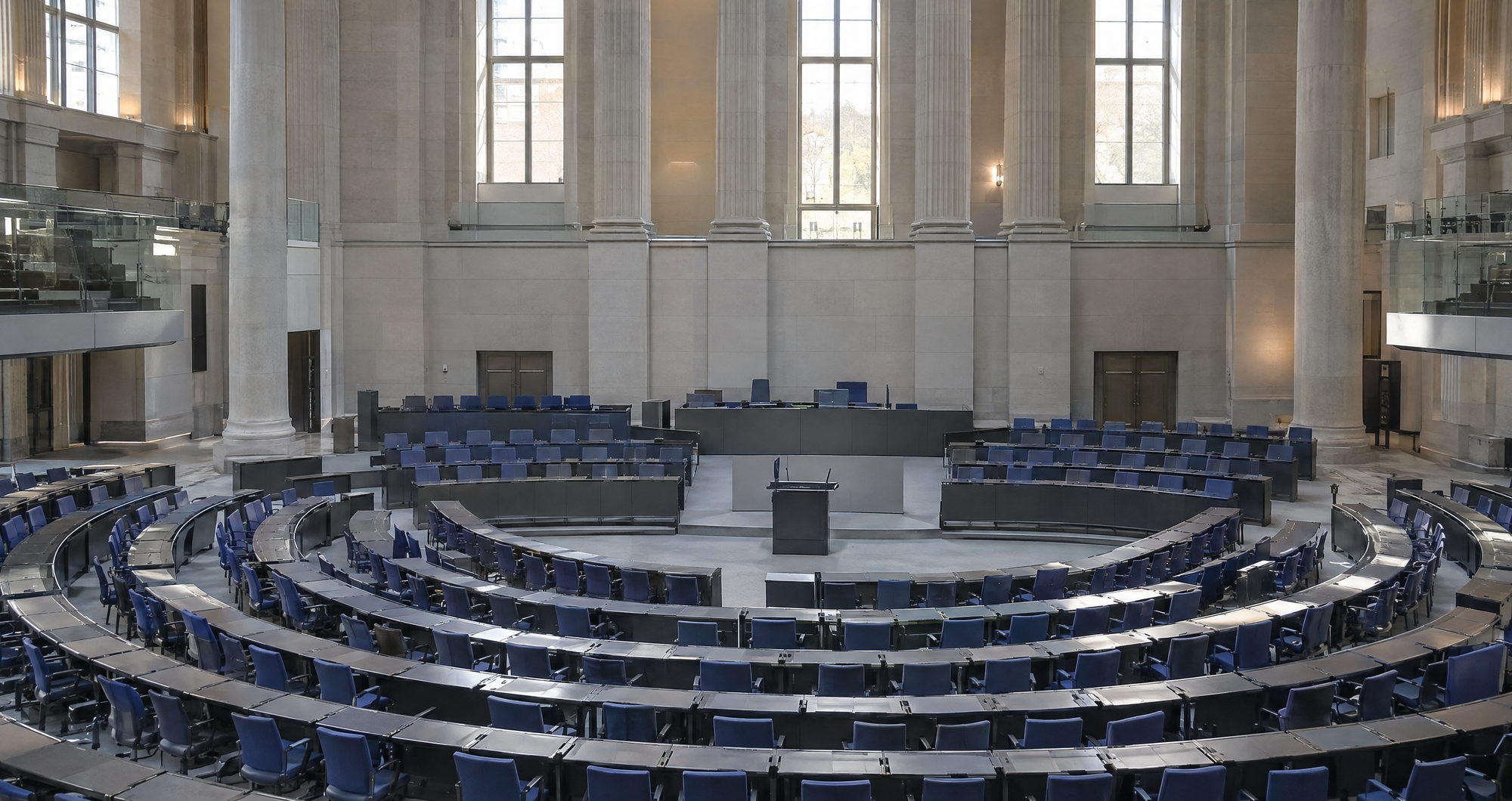
The appointment is not yet settled. The Federal Assembly, known in Germany as the Bundesversammlung, will vote in late January 2027. The CDU, CSU and Social Democrats together hold a majority in the body, making their combined support decisive to Aigner’s prospects without replacing the formal election.
A majority behind Aigner
The Federal Assembly has 1,260 members drawn from federal and state representation. It is convened to elect the president, rather than to conduct the regular work of Germany’s parliament. The process gives the federal states a role alongside national representatives in choosing the head of state.
The CSU is the CDU’s Bavarian sister party. They operate as distinct organisations but form Germany’s conservative political partnership. Their agreement on Aigner brings together the parties whose backing the Social Democrats had made a condition of their own support.
Lars Klingbeil, the Social Democratic leader and finance minister, has voiced support for Aigner. That endorsement means the candidate is positioned to win votes beyond the conservative parties, an important distinction for an office intended to represent the country rather than a single political camp.
Merz’s announcement establishes the conservatives’ choice ahead of the January vote. It does not itself confer the presidency: Aigner remains the nominated candidate, while Steinmeier continues in office until the end of his current term.
A different role from chancellor
For British readers, the distinction between Germany’s president and chancellor is central to understanding the development. The chancellor leads the federal government. The president is head of state, with a role that is largely ceremonial but also carries constitutional responsibilities and a public voice on the country’s democratic life.
Germany has had a female head of government, Angela Merkel, but has never had a female head of state. Aigner’s election would therefore mark a separate milestone, placing a woman in the presidency rather than returning a woman to the leadership of the government.
Aigner served five years as federal agriculture minister under Merkel. Her current position at the head of the Bavarian state parliament gives her experience in a different part of Germany’s federal system, where state institutions sit alongside those of the national government.
The presidency does not direct day-to-day government policy in the way the chancellorship does. Its significance lies partly in representation and in the authority attached to the office. The choice of president can consequently carry political meaning even when it does not change who governs.
A symbolic transition
Aigner’s candidacy comes as the presidency is being framed as a bulwark for the political centre against populism. Support spanning the conservatives and Social Democrats places that framing around a candidate with experience in both federal government and state parliamentary leadership.
Merz announced the decision on a date with particular historical resonance in Germany. The anniversary of 9 November marks both the fall of the Berlin Wall and the Nazi pogroms of 1938, bringing together memories of democratic change and persecution.
Steinmeier’s second five-year term ends in March 2027. The election timetable allows the Federal Assembly to choose his successor before that term expires, with the vote scheduled for late January.
The next formal step is that assembly vote. Aigner enters it with the support of parties holding a majority, but the historic change remains conditional on her election. If elected, she would become Germany’s first female president when the succession takes place.







