
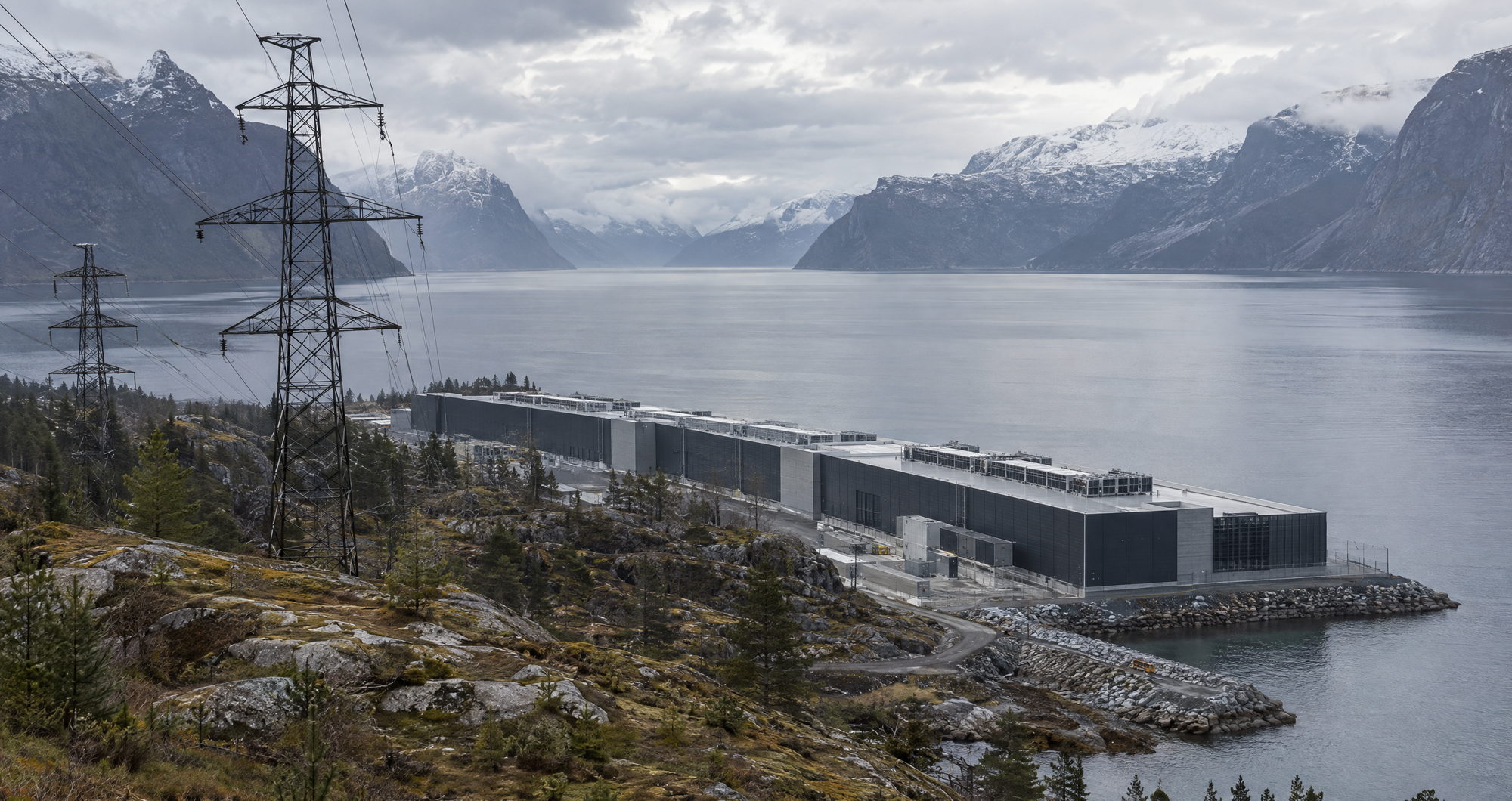

Norway has halted reservations for new data centre connections to its national electricity grid while the government prepares a licensing scheme to control the sector’s growth. The move puts access to power at the centre of decisions about which computing facilities the country will allow to develop.
The government announced its plans on 9 November, and national grid operator Statnett immediately stopped accepting reservations for new data centre connections. Ministers want to direct available capacity towards services Norway needs, rather than allow the volume of applications alone to determine how the sector expands.
Digitalisation Minister Torgeir Micaelsen said the aim was to gain control over growth and ensure the country gets the data centres it actually needs. The planned priorities include police, emergency preparedness, health services and critical infrastructure, including mobile networks and the financial system.
Pressure on electricity capacity
Energy Minister Terje Aasland said Statnett had received applications for 26,000 megawatts of new capacity this year. That exceeds Norway’s current capacity, with data centres accounting for 75 per cent of requests. The figures show how strongly demand from computing facilities is shaping the queue for grid access.
Applications are requests for capacity, not a measure of electricity already being consumed. Nevertheless, their scale presents a planning challenge: the grid operator must consider how proposed connections would fit alongside existing demand and the needs of other users. A reservation for a new connection is part of that process.
Norway currently produces more electricity than it consumes. That national surplus does not remove the question of how much additional demand the system can accommodate. Projections indicate that data centre demand could turn the surplus into a deficit and raise electricity prices.
The government’s response therefore concerns both physical access to the grid and the wider consequences of allocating power to a rapidly expanding industry. Its proposed licensing system would give essential services priority, making the purpose of a facility relevant to whether it can secure the electricity it needs.
New conditions for developers
Global cloud companies and cryptocurrency miners face restrictions on access to land and electricity under the government’s approach. The pause concerns reservations for new data centre connections, rather than a shutdown of facilities already operating. It is intended to remain in place pending the licensing scheme.
New data centres will be expected to pay for grid costs. They may also be required to build their own gas-fired electricity generation with carbon capture. That possibility would place an additional responsibility on developers seeking to bring power-hungry facilities into operation.
The gas generation requirement is a potential condition, not an obligation confirmed for every new project. Carbon capture involves collecting carbon dioxide produced by industrial processes, including power generation, rather than allowing it to be released directly into the atmosphere.
Together, the proposed conditions would make a new facility’s electricity arrangements a central part of its development. Securing land and planning computing capacity would not, on their own, resolve the question of grid access. Developers would also need to meet the government’s licensing requirements.
Implications beyond Norway
Data centres house the computing equipment used for services ranging from cloud storage to artificial intelligence. Their location matters because those services depend on reliable electricity as well as digital connections. The Norwegian decision could therefore influence where European computing capacity is built.
For readers in London, the relevance lies in that wider European infrastructure, rather than any announced change to a local service. Norway joins a growing group of countries rationing grid access for artificial intelligence data centres as governments weigh computing demand against other electricity needs.
The next step is the introduction of the licensing scheme that will govern new reservations. Until it is in place, Statnett’s pause leaves prospective developers unable to reserve new data centre connections, while the government determines how priority services, grid costs and possible on-site generation requirements will shape future access.







