
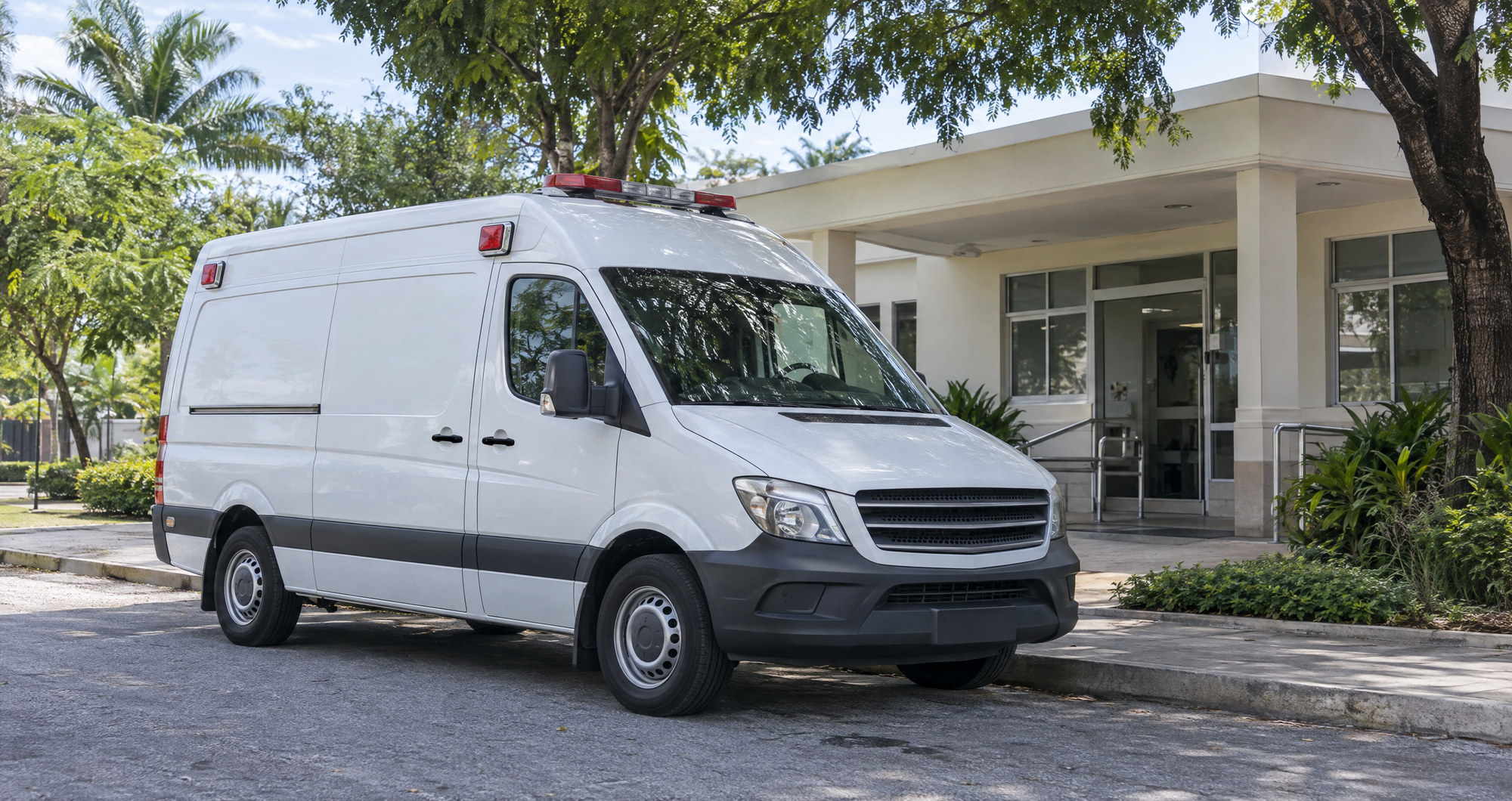

India and Sri Lanka have exchanged a memorandum of understanding for the supply of 100 fully equipped ambulances to the island’s free Suwa Seriya emergency service, with the vehicles to be funded by an Indian grant.
The agreement, exchanged in Colombo on Wednesday, provides for assistance of 1,725.73 million Sri Lankan rupees, or approximately US$5.28 million. It follows a request from Sri Lanka for help with its ambulance fleet. The agreement is for the supply of vehicles; it does not mean that the ambulances have already been delivered.
India’s high commissioner to Sri Lanka, Santosh Jha, and Sri Lanka’s health ministry secretary, Anil Jasinghe, signed and exchanged the memorandum. The exchange was witnessed by India’s health minister, Jagat Prakash Nadda, and Sri Lanka’s health and mass media minister, Nalinda Jayatissa, during a bilateral meeting alongside a regional gathering of health ministers in Colombo.
Pressure on the existing fleet
Sri Lanka’s cabinet had approved a proposal to enter into the agreement before the ministers met. Jayatissa said the Indian funding would be an outright grant and that procurement would take place through a competitive tender. He also said the health ministry would be responsible for recruiting the necessary personnel and for maintenance and operational arrangements.
Sri Lankan officials put the existing Suwa Seriya fleet at 322 ambulances. They say the vehicles collectively travel around nine million kilometres a year and have experienced increasing mechanical problems as a result of extensive use.
Sri Lankan officials estimate that the service handles approximately 1,000 to 1,200 patient transport cases a day. The proposed vehicles are intended to strengthen that fleet. The figures do not establish how many ambulances will ultimately be operating after new vehicles arrive, because older vehicles may also need to be replaced.
No delivery date or breakdown of where the new ambulances will be stationed was given in the announcement. Their effect on the service will depend not only on the vehicles arriving but also on the personnel and maintenance arrangements needed to keep them in operation.
A nationwide emergency service
Suwa Seriya provides free pre-hospital emergency care across Sri Lanka and operates around the clock. People can call its emergency number, 1990, to request an ambulance. A central command centre helps coordinate the vehicles, while ambulance crews provide care and transport patients to hospital.
The service began in the Western and Southern provinces in 2016 with Indian grant assistance. That first phase provided 88 ambulances and supported an emergency response centre and initial operating costs. A further Indian grant supported expansion across the island in 2018, including 209 more ambulances.
The two earlier grants amounted to US$7.5 million and US$15.02 million respectively. Sri Lanka established the Suwa Seriya Foundation by an act of parliament in 2018. The previous Indian-backed phases supported 297 ambulances; that historical figure is separate from the government’s more recent count of 322 vehicles in the fleet.
Separate support for primary care
During the Colombo visit, Nadda also announced Indian support for procuring 50 medical kiosks, sometimes described as health ATMs, for Sri Lanka. This is a separate initiative from the ambulance memorandum.
India plans the kiosks for Arogya primary health centres, where they are intended to provide diagnostic services at the point of care alongside telemedicine facilities. India will provide grant assistance of up to 225 million Sri Lankan rupees for the initiative.
The kiosk support forms part of a broader Indian rehabilitation package announced after Cyclone Ditwah affected Sri Lanka in late 2025. The kiosks remain a procurement plan; they have not been reported as installed.
Together, the two commitments address different parts of the health system: the ambulance agreement concerns emergency care and transport, while the kiosks are intended for primary care sites. Neither commitment establishes a timetable for patients to use the new equipment or a measured improvement in health outcomes.







