
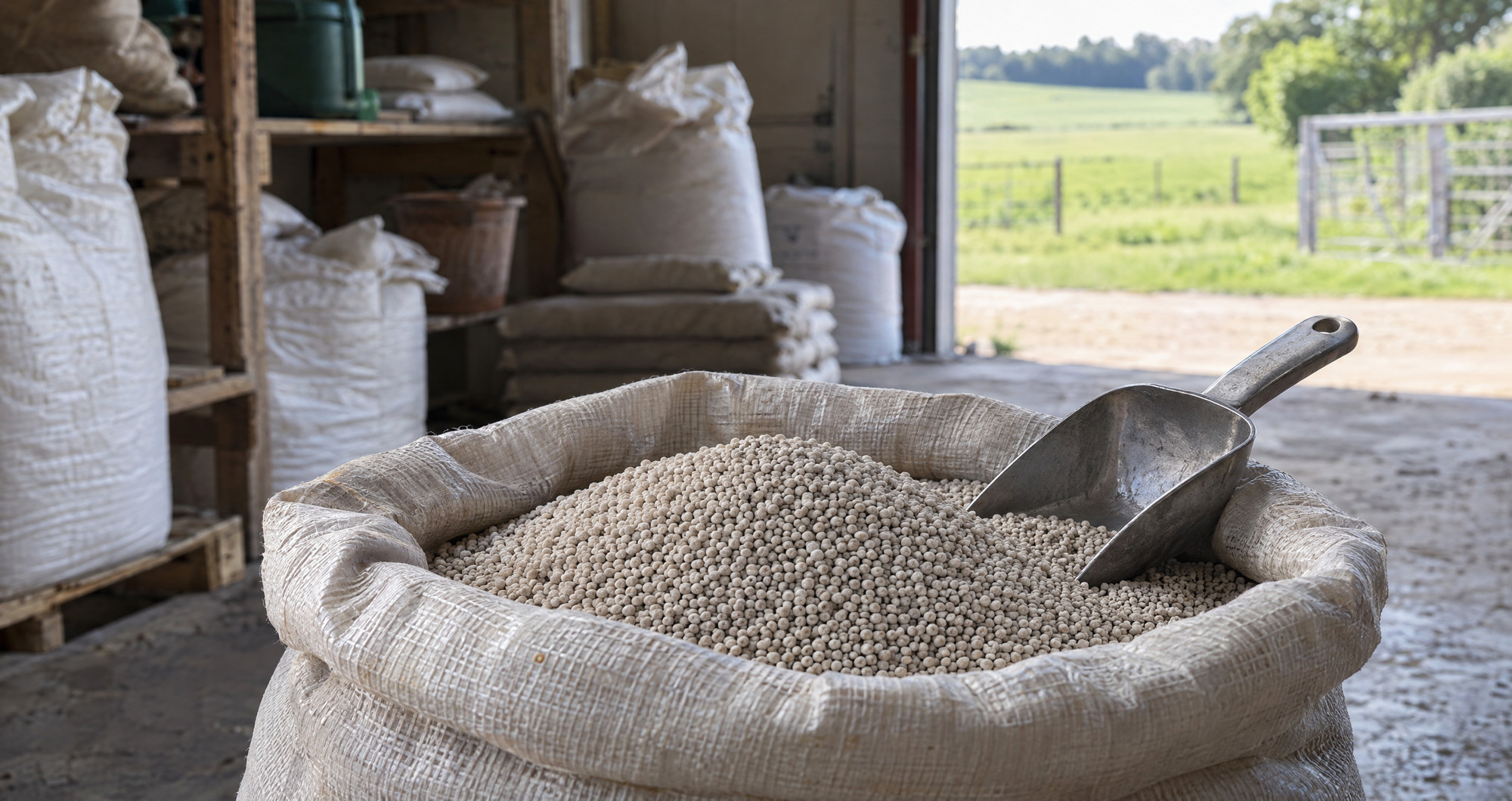

India’s Union Cabinet has approved nutrient-based subsidy rates for phosphatic and potassic fertilisers for the 2026–27 Rabi season, with the government estimating a tentative cost of about ₹62,370.02 crore.
The rates apply from 1 October 2026 to 31 March 2027. The decision, announced on 11 November, therefore covers a period that had already begun. The government says the support is intended to keep fertilisers available to farmers at affordable prices as international prices for fertilisers and their inputs change.
The estimated requirement is ₹24,417.73 crore higher than the ₹37,952.29 crore budgeted for the previous Rabi season, an increase of about 64.3%. The new figure is an estimate of the budgetary requirement, not a statement of money already spent.
How the rates work
The nutrient-based scheme covers 28 grades of phosphatic and potassic fertiliser, including di-ammonium phosphate, known as DAP, and a range of products containing nitrogen, phosphorus, potash and sulphur. The government provides the subsidy to fertiliser companies at notified rates, with the aim of reducing the price at which products are made available to farmers.
For this Rabi period, the approved rates are ₹94.21 per kilogram of nitrogen, ₹66.11 per kilogram of phosphate, ₹2.38 per kilogram of potash and ₹10.42 per kilogram of sulphur. These are rates for nutrients contained in eligible fertilisers, not a single retail price for a kilogram of finished product. The subsidy for a particular fertiliser grade is calculated from its nutrient composition.
For comparison, the rates for the previous Rabi season were ₹43.02 for nitrogen, ₹47.96 for phosphate, ₹2.38 for potash and ₹2.87 for sulphur, again per kilogram of nutrient. The potash rate is unchanged between the two periods, while the other three are higher.
The scheme has operated since April 2010. Fertiliser manufacturers and marketers can generally set maximum retail prices for covered phosphatic and potassic products at reasonable levels under government oversight. The approved nutrient rates should not be read as the amounts a farmer pays at a shop.
DAP and other measures
Information and Broadcasting Minister Ashwini Vaishnaw said the price of DAP would remain at ₹1,350 a bag. The government says special provisions beyond the nutrient-based scheme are intended to maintain that price. The DAP figure is product-specific and does not set a uniform bag price for every fertiliser in the scheme.
The package also extends special provisions applicable to DAP to imported and domestically produced triple superphosphate and imported monoammonium phosphate. It continues freight support for single superphosphate and the subsidy on both imported and domestic ammonium sulphate for the Rabi period.
A separate sulphur package is intended to support domestic production. The government says detailed guidelines will be issued. Its stated aims include encouraging alternatives to DAP and reducing reliance on imports; those aims do not establish what the eventual effect on production or farm costs will be.
Season and supplies
Rabi is India’s winter cropping season. Its crops include wheat, barley, chickpeas and mustard. The subsidy period runs through the end of March, covering a season in which farmers need access to inputs for different crops and soil conditions.
Government figures put the combined stock of the fertilisers listed in its national stock table at 23.521 million tonnes on 10 November, compared with 17.346 million tonnes on the corresponding date a year earlier. The table includes urea as well as DAP, NPK products, muriate of potash and single superphosphate; the total is not a measure of phosphatic and potassic fertilisers alone.
Within that total, DAP stocks were reported at 2.865 million tonnes, up from 2.486 million tonnes a year earlier. Single superphosphate was the one listed category with a lower figure: 2.249 million tonnes, compared with 2.324 million tonnes.
The national stock figures give a snapshot rather than a guarantee of supplies at every local retailer throughout the season. The government has presented the subsidy and related measures as a way to support availability and moderate farmers’ exposure to changing input prices; their actual cost and local effects will become clearer as the season progresses.







