

Uzbekistan’s president has called for a regional approach to climate risks in Central Asia, proposing shared warnings, environmental technology and new ways to finance adaptation.
Shavkat Mirziyoyev presented the proposed Climate Integration Model to the COP31 leaders’ summit in Antalya, Türkiye, on 11 November. He asked other countries and international organisations to help turn it into practical cooperation.
The proposal has three strands: exchanging information about climate risks, developing and sharing technology, and finding finance suited to the region. It is a call for cooperation, not an announcement that a regional agreement has been signed or that a new warning system is operating.
Sharing information across borders
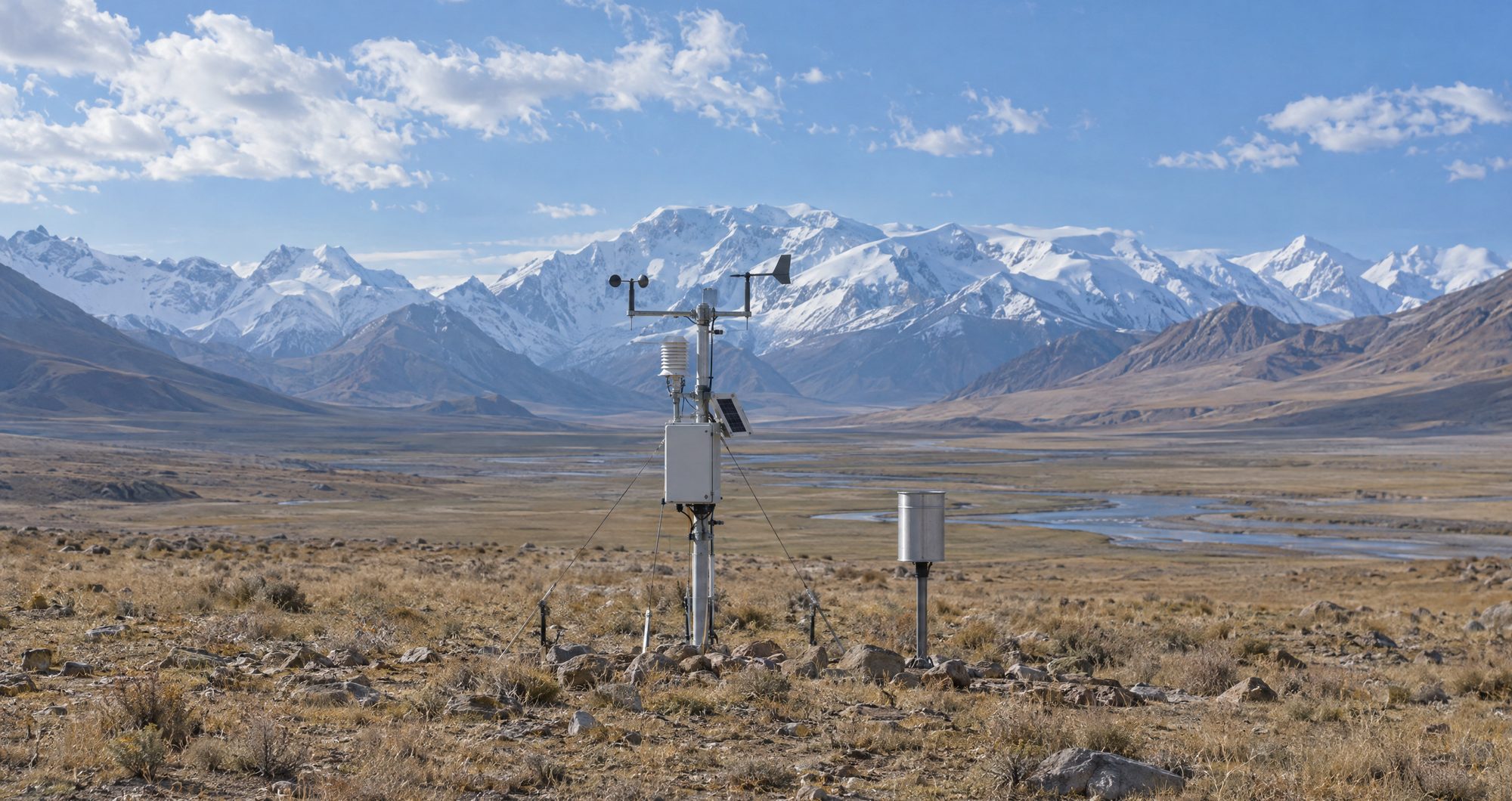
Mirziyoyev said melting glaciers, water scarcity and severe drought were shared challenges that called for action by countries across Central Asia. He proposed building an infrastructure for exchanging climate-risk information with support from the World Meteorological Organization.
His suggested first step was an early warning system for natural disasters. He also called for common indicators and coordinated monitoring of slower-moving climate changes. Those are different tasks: a warning is intended to help people respond to an immediate threat, while long-term monitoring tracks changes that may develop over years.
The proposal would enter a field where regional cooperation already exists. A World Bank and World Meteorological Organization project has assessed hydrological service needs in five Central Asian countries, including gaps in flood forecasting, data transmission and the capacity of regional centres. Its work includes plans to strengthen national flood warning systems and cooperation between services.
Monitoring mountain ice is part of the wider picture. In the 2025 glaciological year, from October 2024 to September 2025, all 23 monitored glaciers in High Mountain Asia lost mass. Most monitored glaciers in the Tian Shan and Pamir mountains suffered substantial losses. Those observations describe the monitored glaciers, not a separate measurement of every glacier in the region.
Technology and funding
The second strand of the president’s plan concerns green technologies for restoring degraded soils, capturing carbon in dry regions and tackling dust and sandstorms. He said Uzbekistan intended to turn its annual Central Asia ECO-EXPO into a permanent investment and technology platform for environmental solutions suited to regional conditions.
On finance, Mirziyoyev called for work with development banks on instruments that could provide more reliable support for Central Asian climate needs. He referred to concessional grants and to mechanisms described as blue and arid finance. His address did not announce a committed fund, a financing total or a timetable for creating those instruments.
The two strands are linked in the proposal: technologies may be identified and presented through a permanent platform, while financial support would be needed for projects to be developed and put into use. Neither element of the address establishes that particular projects have been financed.
Earlier water plans
The COP31 appeal follows a separate presentation to the president on 9 November about Uzbekistan’s forthcoming chairmanship of the International Fund for Saving the Aral Sea. That earlier portfolio covered 133 proposed projects in water management, environmental protection and social and economic development.
The earlier plans included a regional digital platform for weather and water information, flood and drought forecasts, and early warnings. Their estimated combined cost was $3.3 billion; that figure described the proposed portfolio, not money already secured. Uzbekistan is due to chair the fund from 2027 to 2029.
The Antalya address set out a broader model joining information, technology and finance, while seeking support from other countries and organisations. It did not explain how the suggested regional warning system would relate to the earlier Aral Sea portfolio or to existing national services.
For the proposed model to become operational, participating governments and institutions would need to decide how they will cooperate and support the work. The speech sets out Uzbekistan’s priorities for those discussions rather than a completed regional arrangement.







