

Iran’s president has called for international mechanisms to document environmental damage from military attacks and provide compensation, bringing the effects of war into the climate finance debate at COP31.
Masoud Pezeshkian told the leaders’ summit in Antalya, Turkey, on 11 November that commitments to protect the climate in peacetime should be linked to responsibility during war. He said the international community should assess damage caused by military action and develop ways to compensate for it.
His appeal follows US and Israeli strikes on Iran during a conflict that began in late February and spread across the region. It is a request for action, not an announcement that a compensation scheme has been agreed or that responsibility for a particular loss has been legally established.
Damage cited by the president
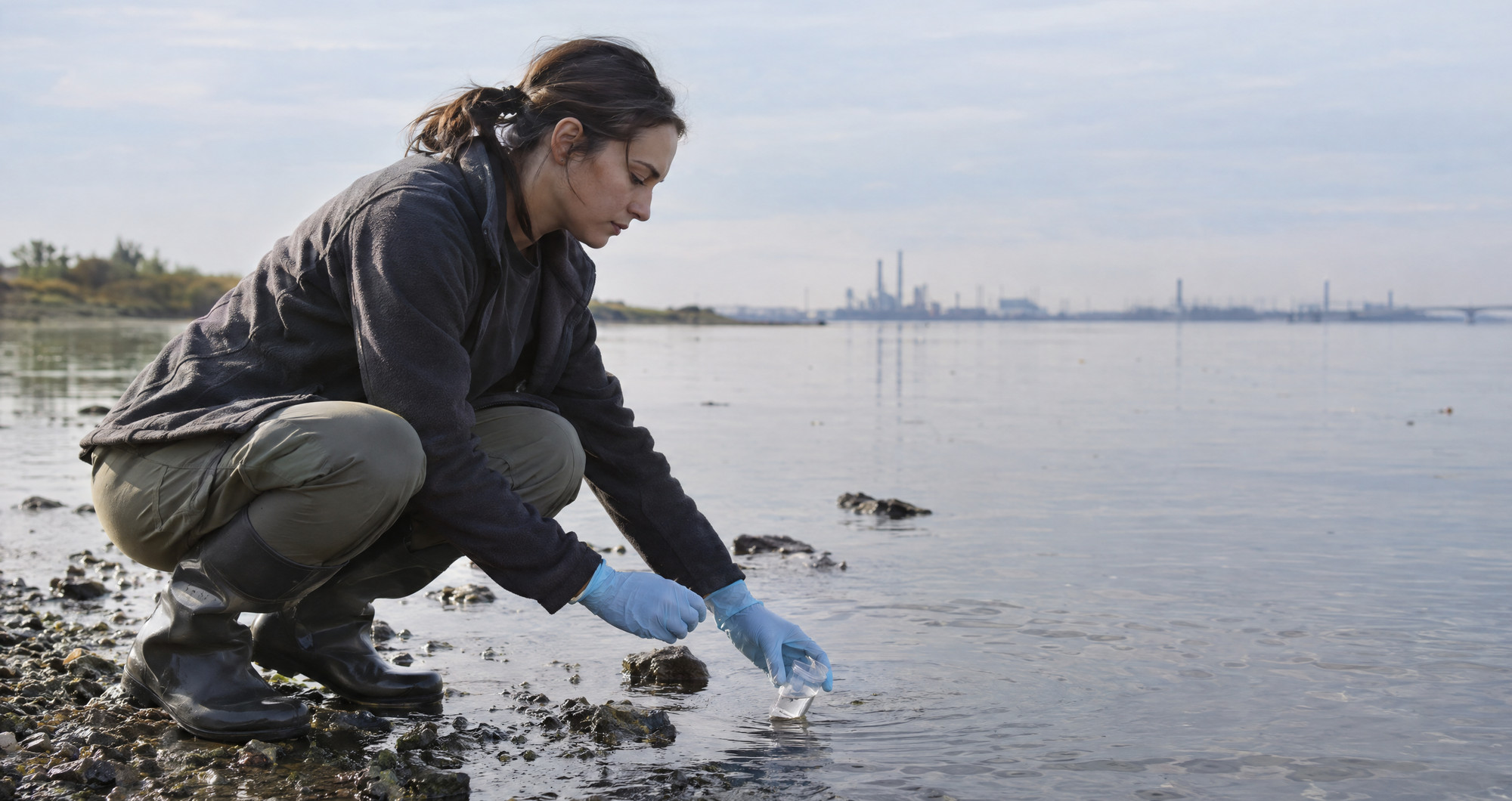
Pezeshkian said strikes on fuel storage facilities near Tehran released about one million tonnes of carbon dioxide. He also referred to the release of pollutants following attacks on fuel facilities in Asaluyeh in southern Iran, and said protected natural areas and environmental ranger stations had been damaged.
Those figures and claims are Pezeshkian’s account. His speech does not independently establish the size or attribution of the emissions. His argument is that explosions, fires and damage to infrastructure can release pollutants and greenhouse gases while countries are seeking to reduce emissions.
He also raised the environmental consequences of the war in Gaza. Separately, a 2025 assessment by the United Nations Environment Programme found extensive damage to Gaza’s soils, freshwater supplies and coastline. Security restrictions prevented its staff travelling there, so the assessment combined satellite analysis with observations gathered by other UN agencies. It was a study of Gaza, not an assessment of Iran’s claimed losses.
The conflict involving Iran has also affected shipping and energy infrastructure, and oil spills have been detected in the Gulf. Those incidents form part of the wider environmental picture; they do not by themselves establish the source or scale of every separate claim made at COP31.
What compensation would involve
Pezeshkian’s proposal would link climate commitments with responsibility for environmental losses during armed conflict. The speech was an appeal for mechanisms to document damage and provide compensation; it did not announce an agreed fund, timetable or method for calculating payments.
Establishing an environmental loss can require more than identifying a damaged site. An assessment may need to compare conditions before and after an incident, determine what was released and distinguish the effects of one event from other sources of pollution. Access can be difficult during fighting, while some consequences for water, soil or ecosystems may become clear only over time.
Compensation for environmental harm in war is not without precedent. After Iraq’s 1990 invasion and occupation of Kuwait, a UN compensation commission considered claims for resulting losses. Its environmental awards to Kuwait included funding for remediation of oil pollution and damage to groundwater. That was a specific arrangement created for that conflict; it does not automatically determine liability or payments in the present one.
The International Law Commission has also developed principles on protecting the environment before, during and after armed conflict. The UN General Assembly took note of those principles in 2022. Their existence should not be confused with a COP31 decision to establish the mechanism Iran is seeking.
The wider climate talks
COP31 runs from 9 to 20 November and brings governments together to discuss emissions, adaptation and finance. Pezeshkian used a session of leaders’ speeches to argue that environmental protection cannot be separated from the consequences of conflict.
He also said Iran had expanded renewable electricity capacity despite sanctions and restrictions on access to finance and technology. Those claims were presented as part of Iran’s account of its own climate efforts, alongside its call for stronger international accountability.
The practical questions behind the request remain open: who would assess damage, which losses would qualify and how any payments would be funded. An agreement would require decisions beyond the president’s speech. His intervention placed Iran’s demand before the summit rather than creating an entitlement to compensation.







