

A free exhibition at IWM London will examine South Asia’s contribution to the Second World War and the experiences of soldiers, civilians and families whose lives were changed by the conflict.
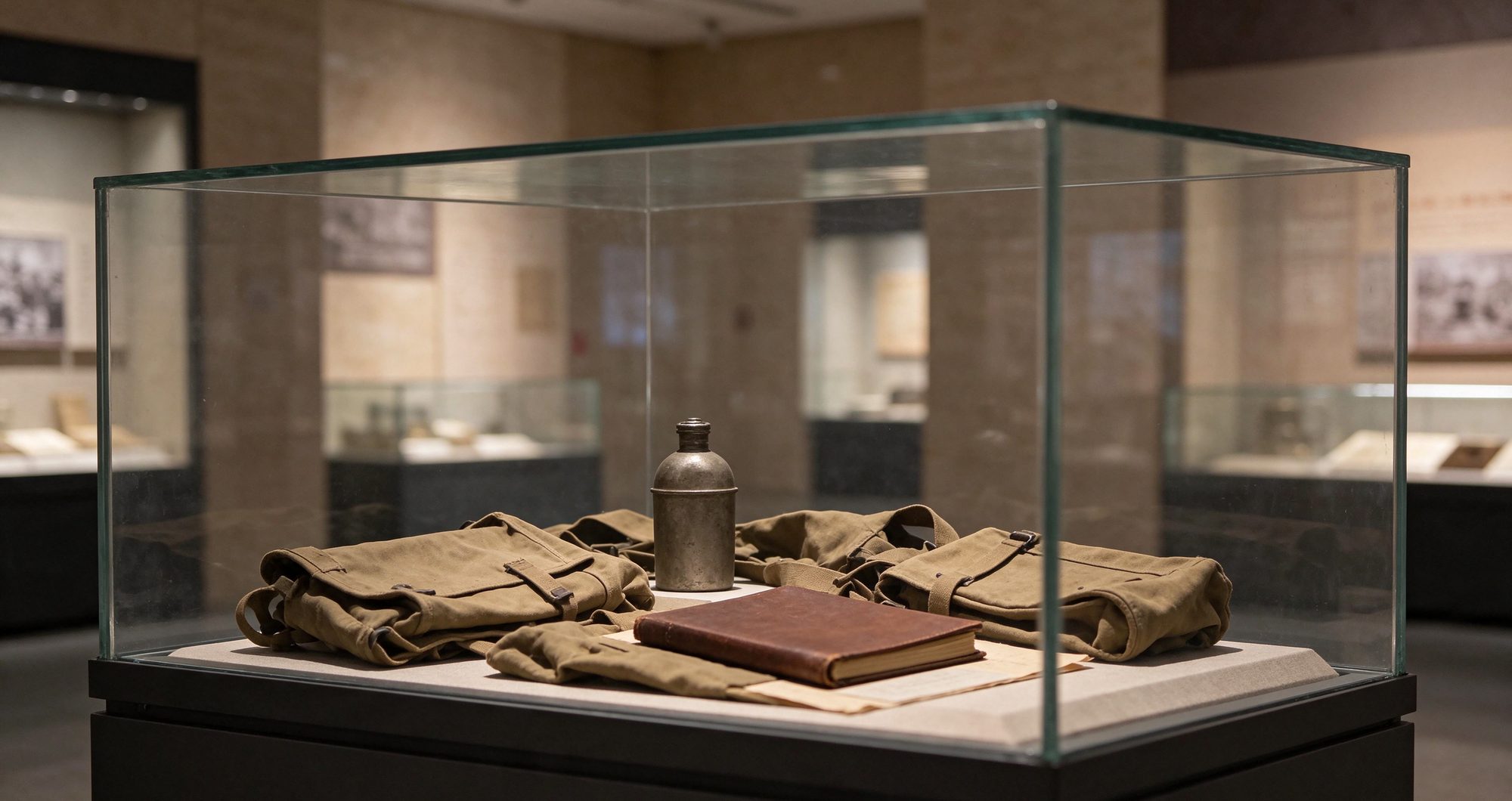
Newly published details of Hidden History: India’s Second World War set out a display of more than 90 objects, alongside photographs, personal accounts and a film by Alina Akbar. The exhibition will run from 12 February to 27 September 2027.
General public booking opens on Thursday 3 December 2026. Imperial War Museums advises visitors to book a free exhibition ticket to guarantee entry, rather than treating admission to the museum as a guarantee of access to the display.
The museum says more than 2.5 million people from South Asia contributed to the war effort. Its exhibition will consider the role of pre-Partition India while following individual experiences from territories that today form Bangladesh, India and Pakistan.
Personal histories across several fronts
The stories span Europe, North Africa, the Middle East and Southeast Asia. They include the evacuation from Dunkirk, the Burma campaign and the battles of Imphal and Kohima, placing South Asian experiences within the wider geography of the war.
Among the people featured is Major Akbar Khan, who led 299 Indian soldiers to safety during the Dunkirk evacuation in 1940. He later became the first Major General of the independent Pakistan Army in 1947.
The exhibition will also display the medals of Parkash Singh, a Victoria Cross recipient recognised for saving fellow soldiers during the Burma campaign. Military service is one part of a programme that also considers the disruption faced by people away from the battlefield.
Uttam Singh’s diary and typewriter will help tell the story of his family’s flight from Burma following the Japanese invasion in 1942. The family travelled around 2,000 kilometres to reach Punjab, an account that connects the conflict to the experience of civilian displacement.
War, independence and Partition
The exhibition marks 80 years since Indian and Pakistani independence. Imperial War Museums says it will explore how the Second World War helped bring about independence and Partition, and how those events shaped the region’s future.
Its political histories will include the Indian National Army led by Subhas Chandra Bose and Mahatma Gandhi’s Quit India Movement, which called for an end to British rule. Alongside the experiences of those serving with British forces, these accounts will examine the different political positions within wartime British India.
The Bengal Famine of 1943 and the developments leading to independence and Partition in 1947 will also form part of the exhibition. The approach brings military and civilian histories together rather than presenting the war solely through campaigns and battles.
Building a broader museum collection
The display comes alongside Imperial War Museums’ India’s War collecting project, which seeks personal accounts and memorabilia relating to South Asian experiences of the conflict. The museum says the project is intended to broaden its collections and inform future programming.
That project covers both the home front and fighting fronts, with an interest in stories connected to India, Pakistan, Bangladesh, Nepal and Sri Lanka. It invites families to share accounts of relatives who served in the armed forces or experienced the war as civilians.
Imperial War Museums says India’s armed forces were the second largest fighting force among Commonwealth nations, after Britain, by the end of the war in August 1945. The London exhibition will give visitors an opportunity to explore that history through individual lives and surviving objects.







