


For anyone working in theatre—whether in London or New York—the journey of James Simon offers a rare kind of clarity. He’s a theatre producer who has stayed out of the spotlight, but his work has shaped Broadway and Off-Broadway for over two decades. And now, it’s reaching UK audiences too.
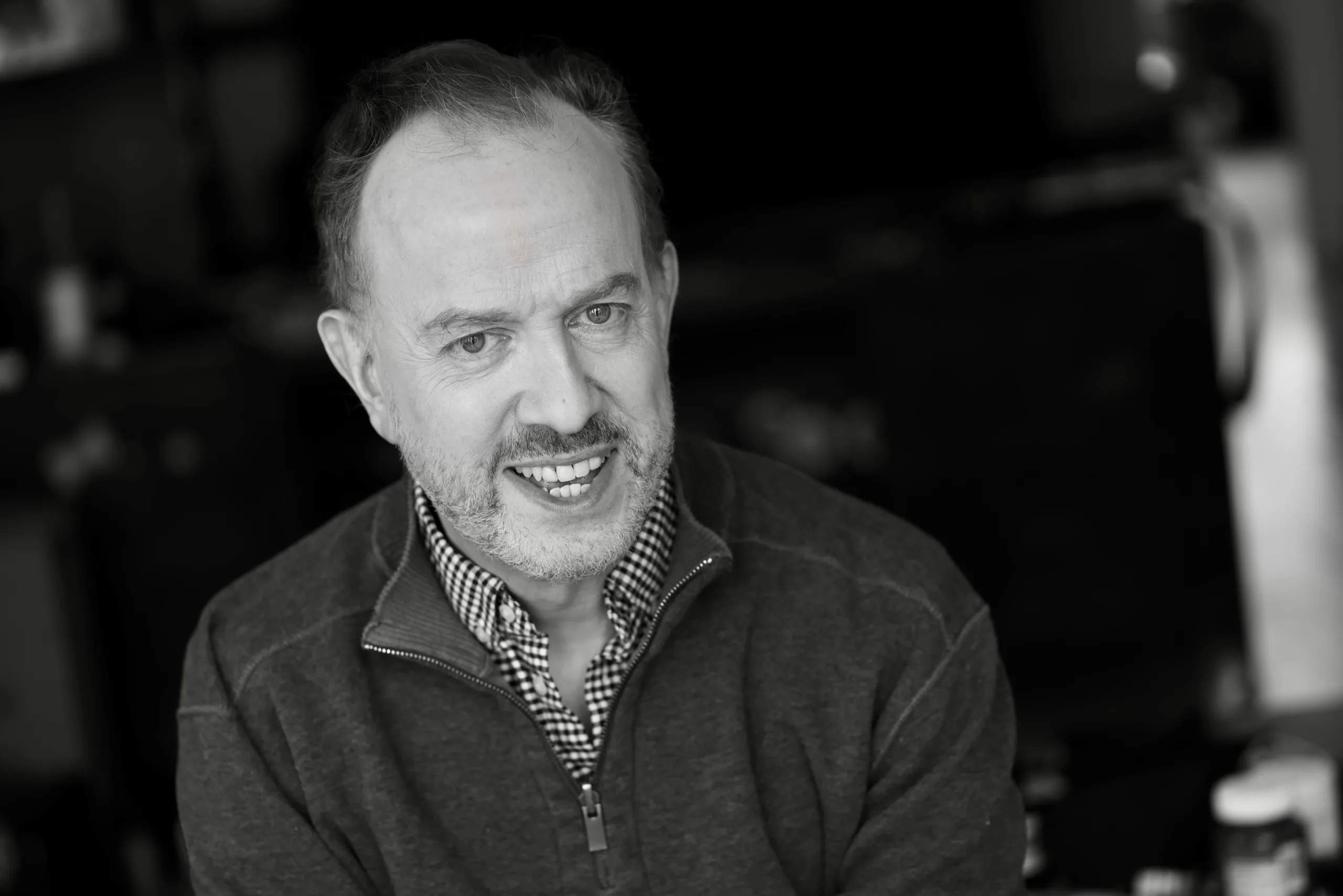
James Simon is a producer drawn to bold, original voices in theatre, with a particular passion for work that retains its unique cultural identity across borders.
“It was different, sharp, and true to its roots,” he says of a recent UK-to-Broadway transfer. “That’s why I wanted to help bring it over.” His involvement helped introduce the production to a new audience without compromising its distinct character. “We didn’t want to Americanise it. We wanted to honour what made it work in London.”
This kind of cross-cultural respect is rare. And it raises questions relevant to the UK theatre scene: What stories are we not exporting? What support is missing for smaller companies with big ideas? Simon’s experience producing in London—especially with Untitled Theater Company 61—offers real insight for UK creatives balancing originality with commercial survival.
A Childhood Rooted in the Arts
James Simon was born in 1966 in Westchester, New York. He started acting in school plays at age five and played the drums throughout his youth.
“My house was full of music,” he says. “That rhythm—of sound and dialogue—shaped how I see the stage.”
In college, Simon studied at Emerson in Boston, earning a Bachelor of Science in 1988. There, he joined the college radio station, where he learned timing and storytelling. After a brief stint in professional radio, he moved to New York City to pursue acting full time.
He found work in Off-Broadway plays, indie films, and even appeared on an episode of Saturday Night Live.
“Acting gave me a front-row seat to how stories are built,” he says.
But it was producing where he found his long-term focus.
A Career Built on Trust and Timing
Simon began producing theatre in the 1990s. His early credits include On the Waterfront (1995) and Play On! (1997). His breakout came with the 2001 Broadway revival of Bells Are Ringing, which earned him a Tony nomination.
“That was a big moment,” he recalls. “But it didn’t change my approach. I still picked projects I believed in.”
He’s produced both financial successes and critical favourites—and sometimes, both. But he doesn’t measure success by the box office alone.
“Sometimes a show doesn’t make money but lives on. One production I did flopped in the early ’90s. But recently, it was revived in the UK and got rave reviews. That meant more to me than any cheque.”
This long-view approach has helped Simon navigate a tough industry. He doesn’t focus on building a brand or chasing trends.
“I’m not interested in being famous,” he says. “I’m interested in good work.”
Off-Broadway, Mentorship, and the Future of Theatre
Today, Simon splits his time between producing and mentoring. He’s a board member at Untitled Theatre Company 61 and contributes to Theatre Resources Unlimited, a non-profit that supports new producers.
“Someone helped me early on,” he says. “Now I try to return the favour.”
He believes Off-Broadway and fringe theatres play a critical role in the arts ecosystem.
“They’re where risks happen. Where you hear a new voice or see an idea no one else would try.”
But many small companies are struggling. According to Theatre Communications Group, nearly 40% of Off-Broadway companies have faced budget cuts or closures since 2020.
Simon argues that public support is key.
“You don’t have to be a producer to help. See a show. Post about it. Donate if you can. That’s how the next big thing gets started.” In his downtime, Simon skis, travels, and attends live music. “It clears my head,” he says. “And sometimes I get an idea for a new project.”
Final Thoughts
James Simon doesn’t talk like someone with decades of experience and a shelf full of theatre programmes. He speaks like someone still listening, still learning. His career proves that you don’t need loud branding or constant attention to have a big impact.
For theatre creatives in London or anywhere else, the lesson is simple: Stay curious. Take risks. Honour the craft.
As Simon puts it,
“You don’t always know if something will work. But if it’s honest, and it connects—even with a few people—that’s a success.”







