
A federal judge issued a 14-day temporary restraining order late on Thursday 5 November blocking construction of President Donald Trump’s proposed 250-foot (76-metre) memorial arch near Arlington National Cemetery. The order from US District Judge Tanya Chutkan came less than an hour after the National Capital Planning Commission gave the project final approval.
The order restrains the National Park Service and the Interior Department from beginning work while three lawsuits proceed. The park service is part of the Interior Department, which is why the order names both. The plaintiffs are the District of Columbia, the state of Virginia, three veterans and an architectural historian.
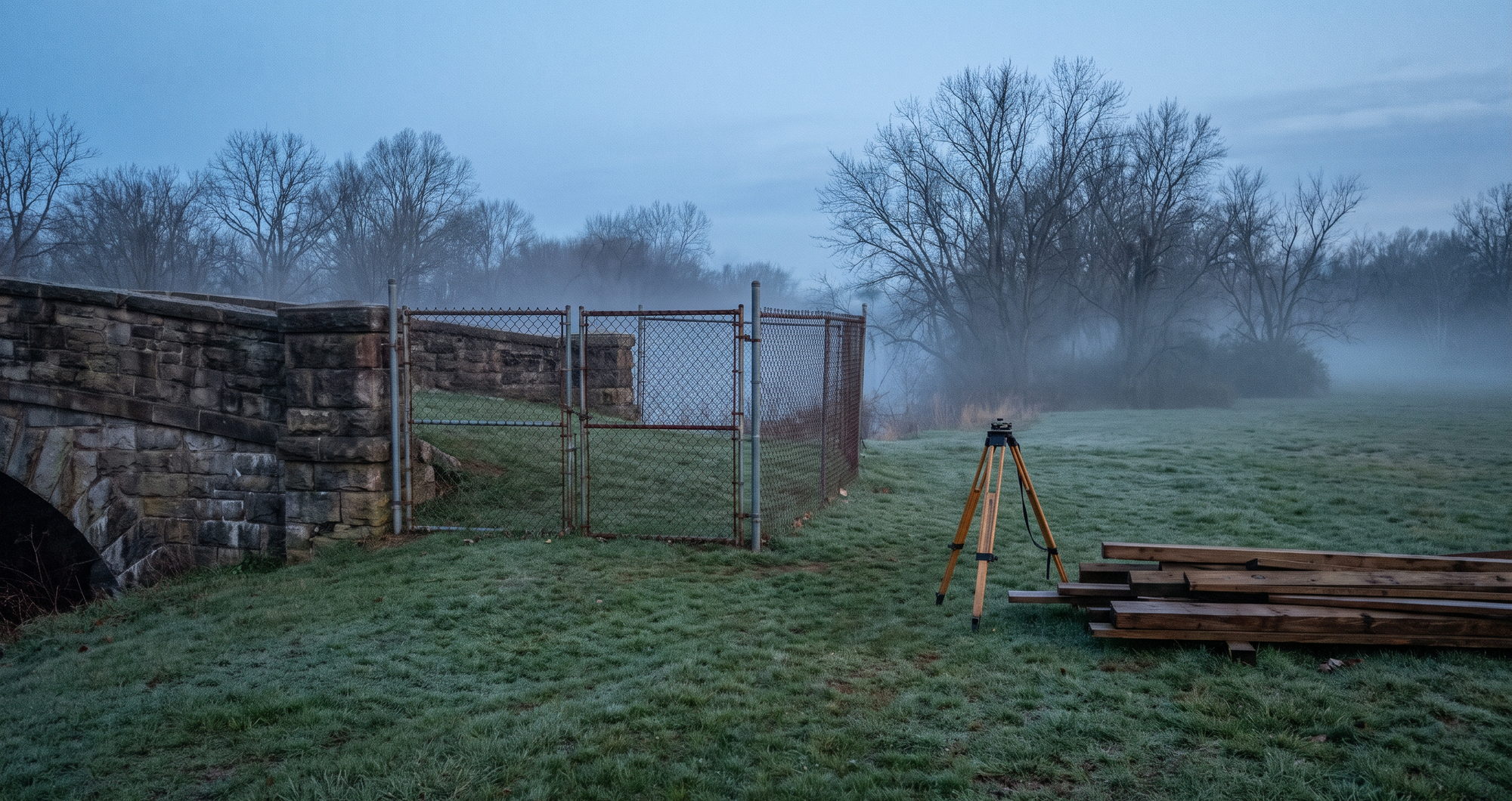
The arch would stand 250 feet high on federal parkland at Memorial Circle, on a patch of grass beside the bridge that links Washington to Arlington National Cemetery. It would be 100 feet taller than the Statue of Liberty without its pedestal, and would carry an observation deck, mezzanines, a winged bronze statue and an eternal flame. The site lies within sight of the cemetery’s graves and of the bridge’s approach.
Approval and the courtroom
The planning commission, chaired by the general counsel of the Office of Management and Budget, Mark Paoletta, approved the design on Thursday. The commission is the federal body that reviews the design of buildings and monuments in the capital. Construction could have begun within a day. Chutkan had earlier required the government to notify her within an hour of any approval decision, and the requirement meant the government had to tell her as soon as the commission voted.
The plaintiffs argue that the administration needs congressional authorisation for the monument. The government says Congress cleared the way for a monument at the site decades ago. An administration lawyer, Robert Stander, told the court that the arch was a high-priority project. Chutkan asked why it had to proceed quickly beyond the president’s wish to make the capital more spectacular.
One of several projects
The arch is one of several schemes the president has pursued to remake Washington, including changes at the Kennedy Center. The commission’s approval was the final federal consent the design needed, and the order arrived before any ground was broken at the site.
The next 14 days
The pause runs for 14 days while Chutkan considers the challenges. It is not a ruling on the merits and it does not cancel the project. It stops work by the two federal agencies for the life of the order. An order of this kind is a short, fixed pause rather than a judgment. Within the 14 days the judge decides whether the challenges justify longer relief.
Unless the order is extended, the restraint lapses at the end of the period, and construction could then proceed while the lawsuits continue. Three cases remain before the court, and the central question in each is whether Congress must authorise a monument of this kind. The government’s answer is that authorisation already exists, resting on a congressional act decades old. The plaintiffs say a monument of this scale needs a fresh decision by Congress, and that the earlier act does not supply it.
For now the site at Memorial Circle stays as it is, grass beside a bridge. The arch exists as an approved design and a set of plans. The question left open is narrower than the project itself: whether a president can build a monument of this scale on federal parkland without a fresh vote in Congress.