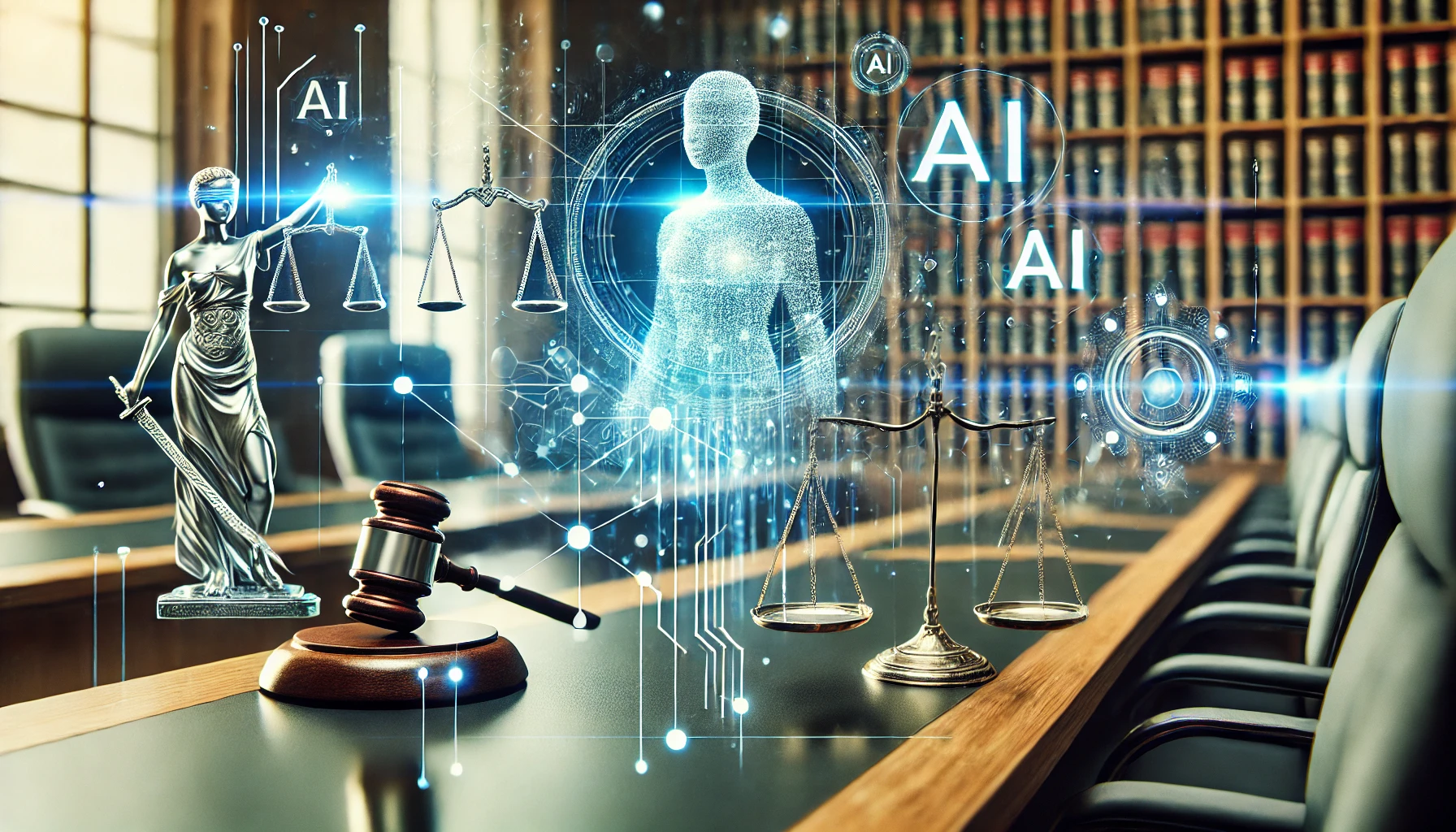

In 2023, Steven Schwartz and Peter LoDuca were sanctioned for citing fabricated legal precedents in their court filings. This is the American case of Mata v Avianca. It involved a personal injury lawsuit filed by Roberto Mata. Later in the proceedings, it was discovered that the citations submitted by the plaintiffs’ attorneys were fabricated by ChatGPT, a widely used artificial intelligence (AI) tool.
Schwartz and LoDuca, the two New York attorneys, submitted several case citations in their legal filings which were presented as being essential for their client’s case. Upon investigation, it was revealed that these cases were entirely fabricated by ChatGPT. These were convincing but false rulings. The defence team and Judge Kevin Castel discovered that the cited cases, which appeared legitimate, were entirely fictional. Despite being alerted to the uncertain nature of the citations, Schwartz continued to rely on these ‘fake cases’ without verifying their authenticity. This raised serious ethical concerns.
The question then is whether legal professionals can trust AI tools for tasks traditionally requiring human judgment and expertise. No doubt, tools like ChatGPT help legal professionals to quickly process substantial amounts of information, saving time and increasing efficiency. However, these tools generate responses based on patterns in data and language models and cannot verify the authenticity of the information it produces.
In the legal world, accuracy is paramount. Every case citation and legal reference must be thoroughly verified to ensure its accuracy. Tools like ChatGPT are not perfect and can create “hallucinations” – false but convincing information such as non-existent court cases, incorrect quotes, and fabricated precedents. While ChatGPT can provide general information and summaries, its innate limitations make it unsuitable as a sole resource for legal research. Lawyers must verify any AI generated content with established legal databases and traditional research methods to prevent the spread of misinformation.
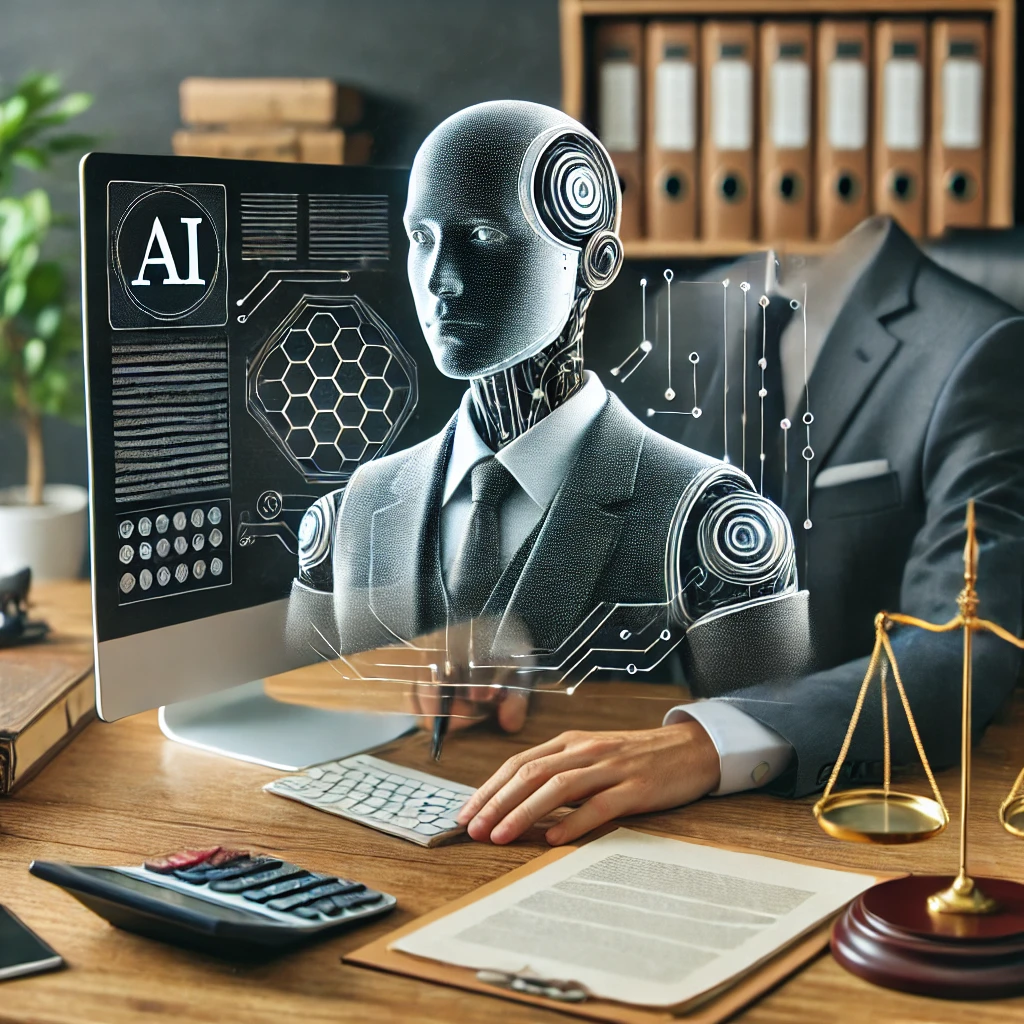
All legal professional of the United States of America are bound by the American Bar Association’s Model Rules of Professional Conduct. Hence, they must ensure the accuracy and validity of all information they present in court, including legal citations. Submitting fabricated or unverifiable references constitutes a violation of these standards, undermining the integrity of the judicial process.
Schwartz’s defence of blaming ChatGPT for producing false information was insufficient to excuse his failure to verify the fake cases. Experts of legal ethics argue that negligence in verifying sources, especially in legal filings, is unacceptable. Relying on unverified AI outputs without fact-checking is a breach of professional responsibility because lawyers are expected to exercise due diligence when preparing their submissions. They must uphold the highest standards of integrity, ensuring that the information they present is not only accurate but also verifiable.
Judge Castel thus imposed sanctions on both Schwartz and LoDuca. They were sentenced to pay a fine of 5,000 USD, and to issue a formal apology to all the judges whose names had been falsely cited in their filings. The lawyers were also required to provide proof that they had complied with these directives. These sanctions reflect the gravity of such ethical violations. The case drew immense media attention and became a subject of public scrutiny. This entire ChatGPT fiasco emphasises the need for the regulation of AI tools in the legal field. With the inevitable integration of AI into the legal landscape, it is crucial that legal professionals remain cautious and ensure the accuracy of the content they submit.
But if you thought that this incident was a ‘lesson learnt’ for all lawyers, then you are wrong, because recently in 2024, another New York attorney Jae Lee, too came under inspection after citing a fictitious case in a medical malpractice appeal. In Park v Kim, Jae Lee like Schwartz and LoDuca, relied on ChatGPT for legal research and submitted fabricated case law in court filings. These fake citations of non-existent cases, judges, and rulings were discovered to be entirely false upon closer examination. However, unlike Schwarts and LoDuca, Lee admitted that he failed to verify the authenticity of these fake references which has now exposed him to disciplinary action.
Courts are now requiring legal professionals to confirm the accuracy of all the content before submission to address these challenges. Additionally, law schools and continuing education programs should include training sessions on AI literacy, emphasizing the risks of “hallucinated” information. As AI continues to evolve, legal professionals must approach the use of AI responsibly. Lawyers must fact-check AI generated content with trusted legal databases, such as Westlaw or LexisNexis, and cross-check information with their colleagues to confirm the accuracy of references.

AI can be used to assist lawyers in their research but not replace them. Lawyers must take reasonable steps to verify and fact-check the AI produced content to ensure that their expertise and judgment remain central to the legal work they produce. Training in AI literacy and developing best practices for responsible AI use should be incorporated into law the core curriculum of all law schools and continuing legal education programs.
More importantly, ethical guidelines for the use of AI in legal practice must be drafted and implemented immediately by the legal organizations, bar associations, and regulatory bodies collaboratively. These guidelines will ensure that AI is used ethically, reducing the risk of errors and malpractice in legal proceedings. This is a landmark case pertaining to the dangers of relying on AI tools without human oversight and verification. While AI can be an invaluable resource for legal research and drafting, it cannot replace the critical role of ‘human’ lawyers in ensuring the accuracy and legitimacy of court filings.
To conclude, it is essential for lawyers to remain vigilant and ethical as generative AI tools continue to evolve and become more integrated into legal practice. The legal fraternity must adapt to the emergence of legal technology by establishing safeguards to prevent malpractice and ensuring that AI’s potential is wielded responsibly. The future of AI in law will depend on the legal profession’s ability to balance innovation with the preservation of its core values of accuracy, integrity, and professionalism.