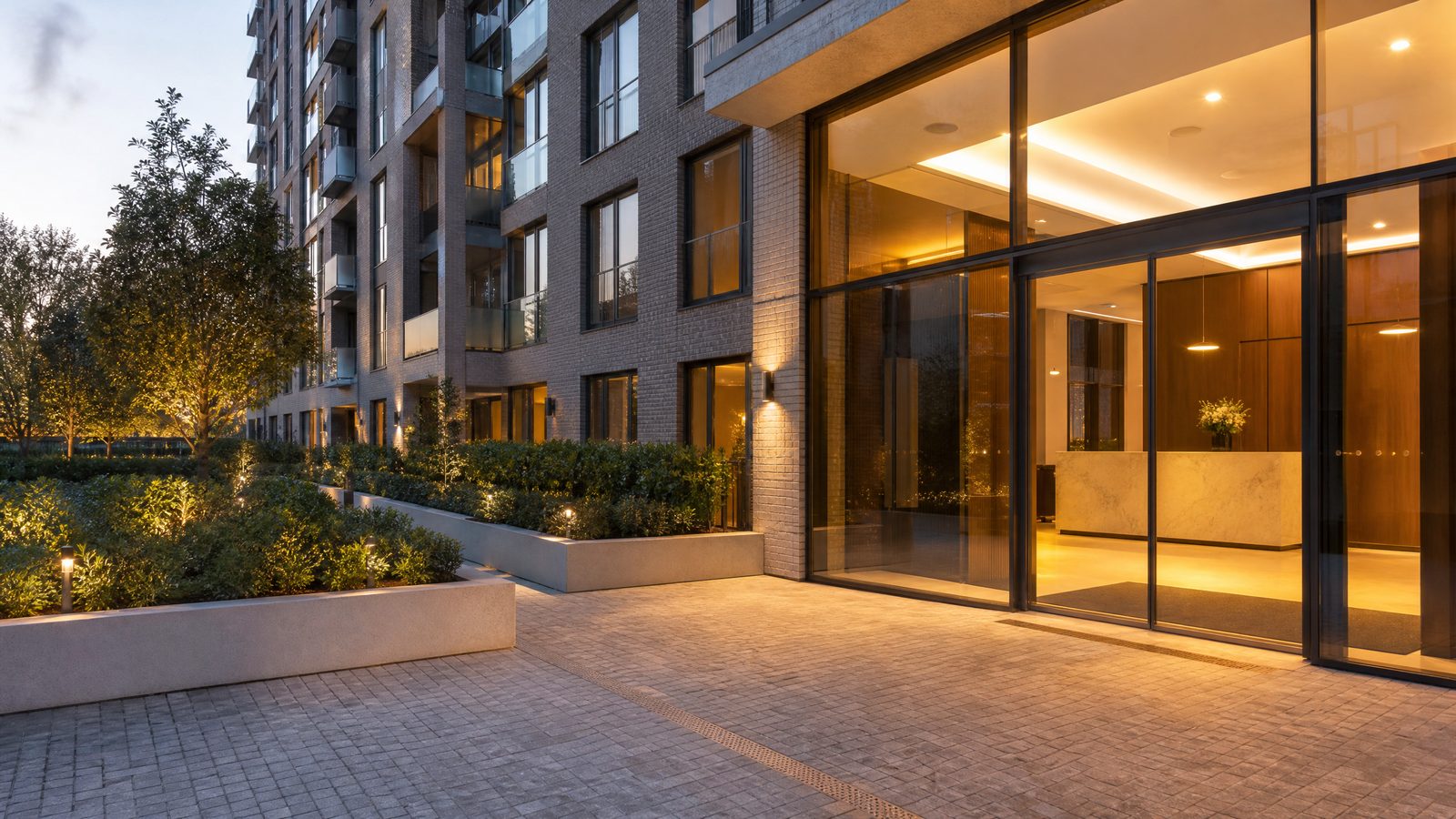

Shared ownership leaseholders at a major London housing development have secured a landmark legal victory against a housing association, successfully arguing they should not be forced to pay exorbitant service charges for luxury amenities they are physically barred from using. The Upper Tribunal (Lands Chamber) dismissed an appeal by Notting Hill Home Ownership (NHHO), part of Notting Hill Genesis, in a ruling that could empower thousands of other Londoners living in mixed-tenure developments to challenge unfair fees.
The dispute centred on Viridian Apartments in Battersea, specifically Block V1, which is designated for affordable housing. Twenty-seven shared ownership leaseholders banded together to take action against NHHO over service charges that had spiralled out of control. The residents were being billed for a 24-hour concierge, a gym, communal garden maintenance, communal water and electricity, cleaning of inaccessible areas, litter picking, pest control, and insurance relating solely to the wider development.
The Financial Toll on London Leaseholders
The financial impact on the residents of the Battersea development was severe, highlighting the broader issue of the cost of living in the capital. Service charges for a two-bedroom flat had risen to approximately £6,200 a year, representing an increase of roughly 265% since 2011 when charges were £1,700. For one-bedroom flats, the charges reached around £4,770 per year, up from £2,136 in 2018, marking a 123% increase.
To fight these escalating costs, the leaseholders self-funded most of their £42,000 legal costs. They received assistance from public donations through crowdfunding, demonstrating the widespread public sympathy for their situation. The case, officially referenced as Notting Hill Home Ownership Limited v Samoail and others, was presided over by Judge Elizabeth Cooke.
Upper Tribunal Dismisses Appeal
The Upper Tribunal dismissed NHHO’s appeal on all grounds on 30 June 2026. The key legal finding was that the sub-leases only require leaseholders to pay for services provided for their own building. The tribunal firmly rejected NHHO’s argument that residents derive a “benefit” from a well-kept estate they can only look at, and refused to vary the leases to allow the charges.
Judge Elizabeth Cooke stated: “The practical problem at the heart of this appeal is that NHHO’s headlease requires it to pay service charges calculated by reference to all eight blocks of Viridian Apartments, including costs incurred on services that its own sub-lessees are not allowed to use including the garden and the concierge.”
She further added: “The real problem here is that the plain words of the Headlease make NHHO liable for services that cannot benefit it or its sub-lessees. Why it entered into a lease in those terms is unknown, but its attempt to visit the consequences of that decision on its Sub-lessees cannot succeed.” Judge Cooke also described NHHO’s argument that leaseholders derive a benefit from the garden being kept in a good condition for other people to use as “deeply unattractive”.
A David Versus Goliath Battle
The leaseholders’ victory is being hailed as a significant precedent. An anonymous leaseholder, speaking via the Social Housing Action Campaign (SHAC), described the ordeal: “We were fortunate to have strength in numbers with 25 leaseholders out of 38 flats banding together for this David versus Goliath battle against one of the UK’s biggest housing associations.”
The same leaseholder added: “This feels like corporate financial abuse that is not only immoral but frankly abhorrent because it was done by a housing association with a charitable objective to provide affordable housing.”
Furthermore, the tribunal made orders preventing NHHO from recouping its legal costs from the leaseholders through service charges, ensuring the residents are not further penalised for seeking justice.
Hope for Other Shared Ownership Residents
The ruling offers a glimmer of hope for other shared ownership and social housing residents across the UK who suspect they are being overcharged. Janine, a leaseholder at Viridian Apartments, expressed her optimism: “We hope this gives confidence to shared ownership and social housing residents across the UK who suspect they are being overcharged and their service charge is being mismanaged.”
This case underscores the importance of scrutinising service charges and the potential for collective action to challenge unfair practices. It serves as a stark reminder to housing associations of their responsibilities towards their residents, particularly those in affordable housing schemes.