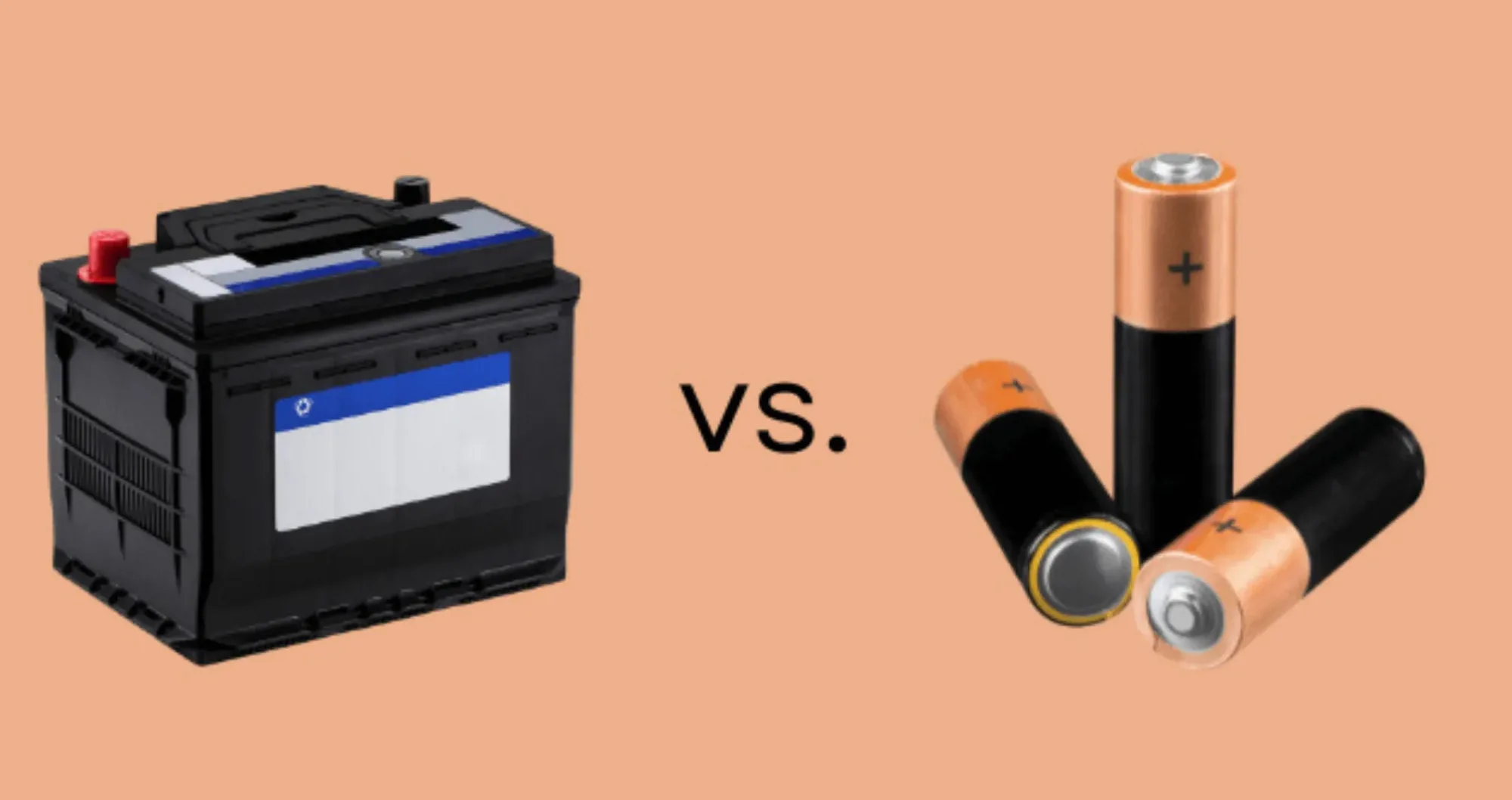

As the shift toward solar, off-grid, and backup energy solutions accelerates, choosing the right battery is more important than ever. Among the most discussed options are LiFePO4 (Lithium Iron Phosphate) batteries and traditional lithium-ion batteries, each with distinct advantages depending on your energy needs.
Battery Chemistry & Structure
At their core, LiFePO4 and traditional lithium-ion batteries differ in chemical composition. While both are lithium-based, LiFePO4 uses lithium iron phosphate as its cathode material, whereas traditional lithium-ion batteries often rely on lithium cobalt oxide (LiCoO2), lithium manganese oxide (LiMn2O4), or lithium nickel manganese cobalt oxide (NMC).
This difference impacts not only the battery’s structural stability but also its thermal resistance and safety profile. LiFePO4 cells are more chemically stable, significantly reducing the risk of thermal runaway and fire, a critical factor for solar installations, RV setups, and indoor home energy systems.
Safety, Longevity, and Performance
When it comes to safety, LiFePO4 wins by a wide margin. Its stable chemistry means fewer chances of overheating or catching fire, even under stress or during overcharging. This makes it particularly suitable for home energy storage and off-grid systems where safety and reliability are top priorities.
In terms of lifespan, LiFePO4 batteries typically last 3,000 – 5,000 charge cycles, compared to 500 – 1,000 for traditional lithium-ion batteries. That means more years of consistent performance and fewer replacements, translating to long-term cost savings. They also maintain a flatter discharge curve, ensuring stable voltage delivery, which is ideal for solar power systems and sensitive electronics.
Use-Case Suitability
Let’s look at which battery type is best for various scenarios:
- Home Energy Storage: LiFePO4’s safety and longevity make it the go-to choice for home solar systems and backup power setups.
- RV & Off-Grid Living: With its robust thermal stability and resistance to deep discharge, LiFePO4 is perfect for mobile or remote energy needs.
- Portable Applications: Traditional lithium-ion batteries might still be suitable for lightweight devices where energy density is critical, like drones or handheld tools.
Ultimately, for most energy storage needs, especially in solar and off-grid environments, LiFePO4 stands out as the more reliable and cost-effective option.
Why LiFePO4 Is Gaining Market Share
As solar adoption continues to rise, consumers are looking for battery types that deliver durability, safety, and low maintenance. That’s exactly why Lithium Iron Phosphate (LiFePO4) batteries, and emerging innovations like solid-state energy storage, are gaining traction. Learn more about the benefits of solid-state and LFP batteries here.
EPEVER has been at the forefront of this transition, offering a range of high-performance battery types built for solar, off-grid, and hybrid power systems. Our battery solutions are engineered to meet real-world needs, from residential to industrial energy setups.
Conclusion: Which One Should You Choose?
If your priorities include long-term reliability, safety, and compatibility with solar systems or RV/off-grid setups, LiFePO4 is the better investment. While traditional lithium-ion batteries still serve specific roles, the advantages of Lithium Iron Phosphate, especially in demanding energy storage applications, make it a superior choice for today’s power-hungry world.