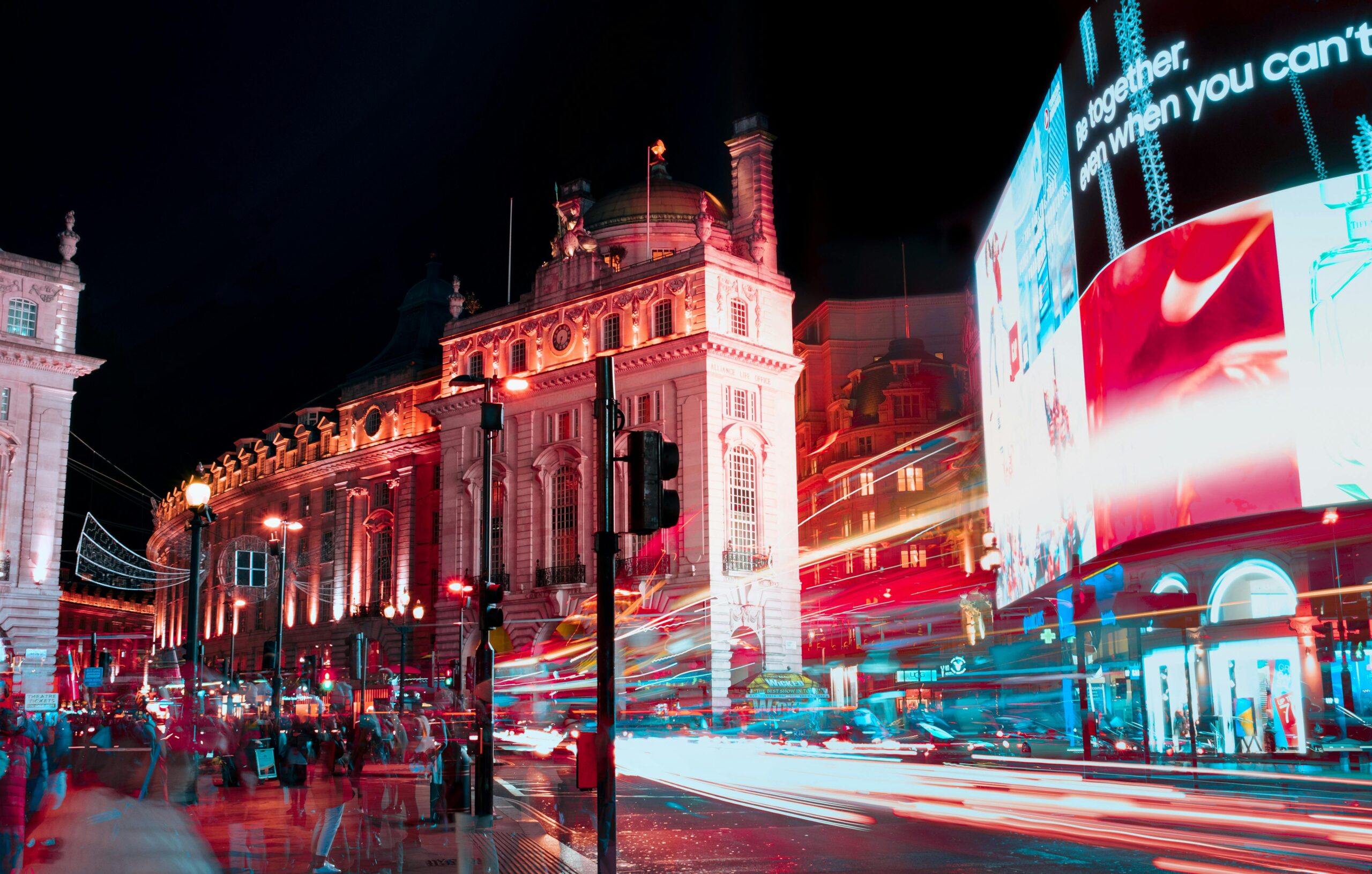

Every evening as the sun sets over the Thames, London transforms. The daytime workforce heads home whilst another army takes over: 1.3 million night workers who keep the capital functioning around the clock. From NHS nurses to Transport for London drivers, these essential workers form the invisible backbone of our 24-hour metropolis. Yet beneath London’s glittering night-time economy lies a troubling health crisis that’s prematurely ageing an entire sector of our workforce.
The Scale of the Problem
According to the Greater London Authority, a quarter of London’s workforce—1.3 million people—regularly work between 6pm and 6am. This vast ecosystem spans healthcare, transport, hospitality, security, and emergency services. The night-time economy is worth £520 billion annually, yet the hidden health costs remain largely unaddressed.
The Biological Toll
Working against our natural circadian rhythms exacts a severe physiological toll. Research reveals that shift work sleep disorder affects 10-30% of shift workers, whilst chronic sleep disruptions cause serious health effects.
The Trade Union Congress found strong evidence linking night work to cardiovascular, gastrointestinal and metabolic disorders. Workers with longer exposure (over 5 years) show a 15% increased risk of death, with cardiovascular disease being the primary factor.
Most concerning is accelerated ageing. A UK Biobank study of 277,059 participants found long-term night shift work significantly increases chronic disease risk, whilst Dutch research demonstrated elevated metabolic risk factors and immune cell counts in night workers—key markers of biological ageing.
Night shift work disrupts melatonin production, crucial for cellular repair, whilst interfering with cortisol rhythms, causing chronic inflammation. As research into the cost of daylight saving time on our health demonstrates, even minor circadian disruptions have profound health consequences. Chronic night work’s impact is exponentially worse.
London’s Healthcare Crisis
London’s NHS relies heavily on shift workers, with staff at particularly high risk of sleep and circadian disruption. Studies found 28% of NHS nurses and midwives suffered excessive sleepiness, with 46% too tired to drive home safely after night shifts.
Fatigue increases medical error risk, creating a cycle where night work harms workers and potentially compromises patient care.
Transport and Beyond
London’s transport network employs thousands of night shift workers. TfL staff face brutal schedules with workers often doing seven consecutive night shifts plus 12-hour weekend shifts. Many report only one day off between night and early shifts.
Sleep-related accidents cost UK companies £115-240 million annually, with shift-work fatigue implicated in serious workplace accidents across London’s transport network.
Beyond NHS and transport, the night economy depends on hospitality workers, security guards, and cleaners facing irregular schedules and minimal health support. City security guards work 12-hour shifts with minimal breaks, whilst West End hospitality workers work until dawn before long commutes home.
Hidden Inequalities
Health impacts aren’t evenly distributed. Males are more prone to metabolic disease from shift work, with Swedish studies finding 28% increased death rates in male white-collar night workers. Female workers face higher breast cancer rates and pregnancy risks including miscarriage.
Age compounds effects. Workers over 50 struggle more with adjustments but economic pressures force many to continue nights into their sixties.
Mental health suffers equally. UK Biobank studies found shift workers had 22% higher depression risk and 16% higher anxiety risk. London’s high living costs force many to live far from work, increasing isolation. Night workers feel disconnected: sleeping whilst others socialise, starting work whilst others wind down.
Economic Reality
Whilst generating massive revenue, hidden healthcare costs represent significant burden. Night workers require more medical intervention, take more sick leave, and retire earlier. They face increased risks of diabetes, heart disease, stroke, and metabolic disorders—all costly chronic conditions.
Solutions Emerging
Some cities address this proactively. Denmark provides additional healthcare screening. Germany implements “chronotype matching” by assigning workers to natural sleep-aligned shifts. Singapore introduced mandatory rest periods and limits on consecutive nights.
London is acting. The Mayor called for annual health checks. However, comprehensive interventions are needed: limiting consecutive nights to three maximum, better workplace lighting, enhanced occupational health services.
Technology offers hope through light therapy devices, sleep tracking apps, and circadian rhythm support tools.
The Path Forward
London’s night economy workers deserve recognition that their contributions come at genuine biological cost. Research is clear: chronic night shift work accelerates ageing, increases disease risk, and shortens lifespan.
The solution involves comprehensive reforms acknowledging night work’s true cost and implementing harm minimisation. London’s global status depends on 24-hour operation, but we must protect those enabling it.
Night worker health must become priority. These are public health challenges affecting over a million Londoners. The time has come to protect those who work while the rest of us sleep.
Photo courtesy of Peter Spencer (https://www.pexels.com/@f4photography/)