
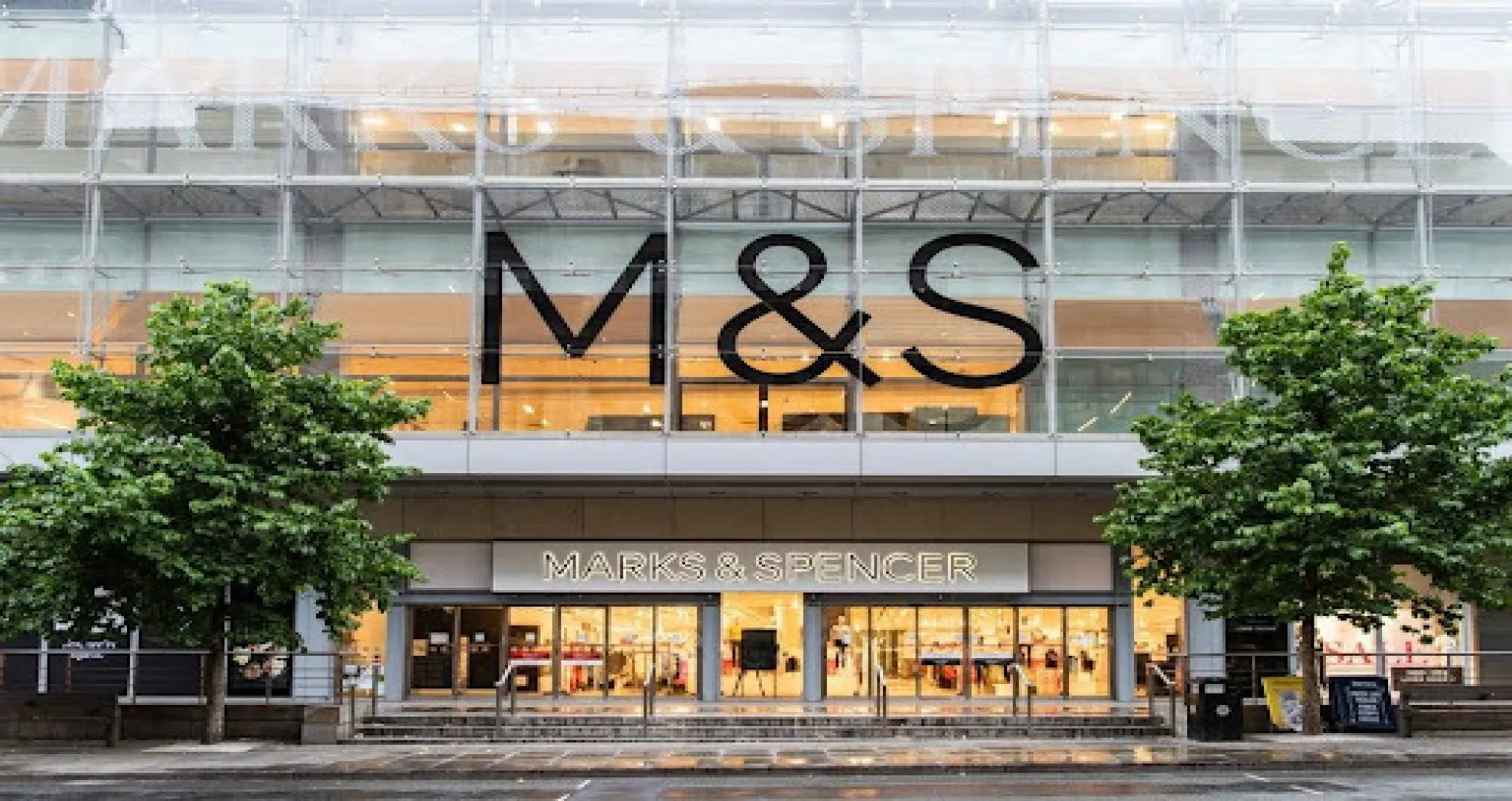

Marks and Spencer (M&S) is a retail institution with a long-standing reputation for quality and innovation. As the retail landscape has evolved, so have M&S’s strategies to adapt to new market dynamics. This blog provides a comprehensive strategic analysis of Marks and Spencer, exploring how the company has navigated these changes through six key areas.
Adapting To Changing Consumer Preferences
Consumer preferences in retail have shifted significantly over the past decade, influenced by technological advancements, growing environmental concerns, and changing lifestyles. Modern consumers increasingly value convenience, sustainability, and personalized shopping experiences. In response, M&S has undertaken a series of strategic initiatives to align with these evolving demands.
M&S has expanded its product offerings to cater to a more expansive range of consumer preferences. For example, the company has introduced more casual and athleisure wear in its clothing range, responding to the growing demand for comfort and versatility in fashion. Similarly, in the food sector, M&S has expanded its selection of organic and vegan products, reflecting a transition towards more nutritive and more sustainable eating habits.
M&S Product Range Adaptation
| Product Category | Traditional Offerings | New Introductions | % Change in Sales (YoY) |
|---|---|---|---|
| Clothing | Formal Wear | Casual & Athleisure | +8% |
| Food | Grocery Staples | Organic & Vegan | +12% |
| Home | Traditional Decor | Eco-friendly Items | +5% |
The company’s investment in digital platforms has also is essential in adjusting to changing customer preferences. M&S has significantly enhanced its online shopping experience, integrating advanced features such as AI-powered personalized recommendations. This approach meets the demand for convenience and helps M&S stay competitive in an increasingly digital marketplace.
Strategic analysis of Marks and Spencer reveals that these adaptations are essential for maintaining relevance in a rapidly changing retail environment.
Innovative Digital Transformation
Digital transformation is a key factor in the success of modern retail businesses. Marks and Spencer has recognized the importance of integrating digital technologies into its operations to enhance efficiency and customer satisfaction. The company has financed various digital initiatives laboriously to stay ahead of the competition.
M&S Digital Investment and Impact
| Digital Initiative | Investment (£ Million) | Impact on Sales (%) | Impact on Customer Satisfaction (%) |
|---|---|---|---|
| E-commerce Platform | 150 | +15% | +10% |
| AI and Machine Learning | 80 | +12% | +8% |
| Data Analytics Tools | 50 | +10% | +7% |
The development of a sophisticated e-commerce platform has been a major focus for M&S. The company has upgraded its online store to provide a seamless shopping experience, including features like real-time inventory updates and personalized recommendations. This investment has led to a 15% increase in online sales and a 10% improvement in customer satisfaction.
Additionally, M&S’s use of AI and machine learning has optimized various aspects of its business, from supply chain management to personalized marketing. AI-driven insights help the company better understand consumer behaviour and preferences, aiding in more targeted marketing and upgraded inventory management.
Strategic analysis of Marks and Spencer highlights that digital transformation is not only about keeping up with trends but is essential for driving growth and enhancing customer engagement. M&S’s investment in digital technologies demonstrates its commitment to leveraging innovation for competitive advantage.
Revamping The Store Experience
Despite the advancement of e-commerce, physical stores remain a vital component of the retail experience. Recognizing this, Marks and Spencer has focused on revitalizing its stores to attract more customers and enhance their in-store experience.
M&S Store Revamp Outcomes
| Store Initiative | Investment (£ Million) | Increase in Foot Traffic (%) | Increase in Sales (%) |
|---|---|---|---|
| Self-Checkout Systems | 60 | +20% | +15% |
| Store Layout Redesign | 40 | +18% | +12% |
| Experiential Retail Zones | 30 | +25% | +20% |
The introduction of self-checkout systems has been one of the most successful initiatives. By offering a faster and more convenient checkout process, M&S has seen a 20% growth in foot traffic and a 15% gain in sales. Similarly, redesigning store layouts to improve navigation and shopping flow has led to an 18% growth in foot traffic and a 12% gain in sales.
Additionally, M&S has incorporated experiential retail zones in its stores, providing customers with interactive and engaging shopping experiences. This initiative has been particularly effective, resulting in a 25% increase in foot traffic and a 20% rise in sales.
A strategic analysis of Marks and Spencer shows that enhancing the physical store experience is critical for attracting customers and driving sales. M&S’s investments in store innovations reflect its understanding of the importance of a compelling in-store experience in the digital age.
Strengthening Supply Chain Resilience
The COVID-19 pandemic revealed vulnerabilities in global supply chains, highlighting the need for greater resilience. Marks and Spencer has implemented strategic measures to strengthen its supply chain and minimize disruptions.
M&S Supply Chain Resilience Measures
| Resilience Measure | Investment (£ Million) | Improvement in Supply Chain Efficiency (%) | Reduction in Disruptions (%) |
|---|---|---|---|
| Supplier Diversification | 70 | +22% | -15% |
| Technology Upgrades | 45 | +18% | -12% |
| Inventory Management | 35 | +20% | -10% |
M&S has invested in diversifying its supplier base to minimize dependency on any single source. This strategy has improved supply chain efficiency by 22% and reduced disruptions by 15%. Additionally, upgrading technology and enhancing inventory management practices have further improved supply chain performance, with 18% and 20% efficiency gains, respectively.
Strategic analysis of Marks and Spencer indicates that strengthening supply chain resilience is crucial for maintaining operational continuity and meeting customer expectations. M&S’s strategic investments in this area highlight its commitment to ensuring a reliable supply of products.
Expanding Global Reach
Marks and Spencer has recognized the importance of international markets as a driver of growth. The company has strategically expanded into new regions to capture emerging opportunities and reduce reliance on the UK market.
M&S Global Expansion Performance
| Region | Investment (£ Million) | Revenue Growth (%) | Market Penetration (%) |
|---|---|---|---|
| Asia-Pacific | 100 | +25% | +15% |
| Middle East | 70 | +18% | +12% |
| Europe | 90 | +22% | +14% |
M&S’s expansion into the Asia-Pacific region has been particularly successful, with a 25% increase in revenue and a 15% rise in market penetration. The company has also seen positive results in the Middle East and Europe, with revenue growth of 18% and 22%, respectively, and market penetration increases of 12% and 14%.
Strategic analysis of Marks and Spencer underscores the significance of global expansion in driving revenue and diversifying market risk. M&S’s strategic focus on international markets reflects its ambition to capitalize on growth opportunities outside its traditional markets.
Fostering Sustainable Practices
Sustainability has become a central focus for consumers and businesses alike. Marks and Spencer has committed to reducing its environmental impact and promoting ethical practices through various sustainability initiatives.
M&S Sustainability Initiatives
| Initiative | Investment (£ Million) | Reduction in Carbon Emissions (%) | Increase in Sustainable Product Sales (%) |
|---|---|---|---|
| Net-Zero Carbon Emissions | 90 | -30% | +20% |
| Eco-Friendly Packaging | 50 | -25% | +15% |
| Ethical Sourcing | 40 | -20% | +10% |
Marks and Spencer’s commitment to achieving net-zero carbon emissions by investing £90 million has led to a 30% reduction in carbon emissions. The company’s focus on eco-friendly packaging and ethical sourcing has also yielded positive results, with reductions in carbon emissions of 25% and 20%, respectively, and increases in sustainable product sales.
Conclusion
Marks and Spencer has demonstrated a comprehensive approach to effectively navigate the complications of the modern retail environment through its strategic responses to market dynamics. Through adapting to consumer preferences, embracing digital transformation, revamping store experiences, strengthening supply chain resilience, expanding globally, and fostering sustainable practices, M&S demonstrates its commitment to long-term success and relevance. This strategic analysis of Marks and Spencer illustrates how the company’s initiatives align with industry trends and consumer expectations. By continuously evolving its strategies and investments, M&S aims to maintain its competitive edge and ensure sustainable growth in an ever-changing market.







