
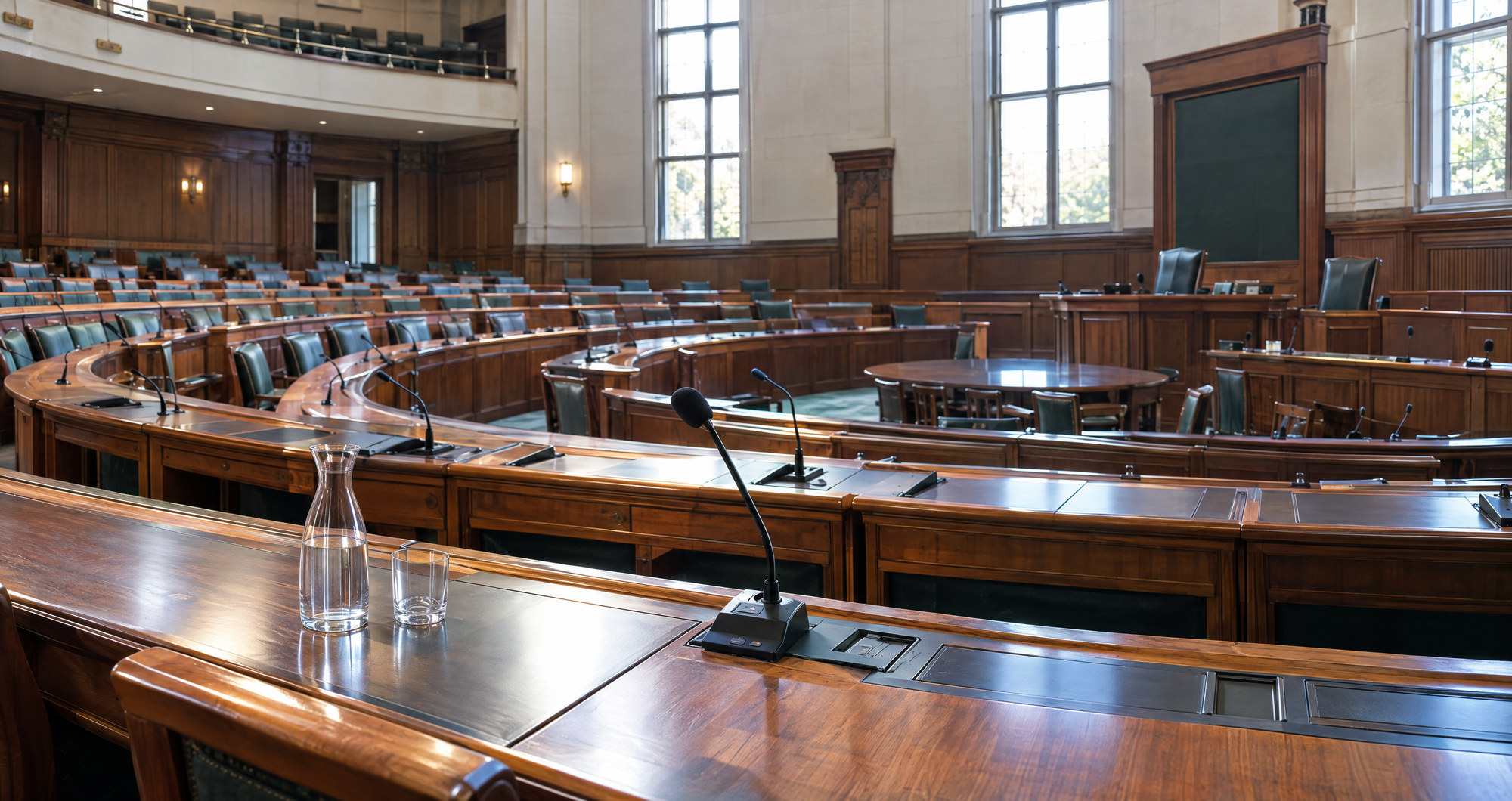

Mexico’s Chamber of Deputies has approved a federal spending budget of 10.636 trillion pesos for 2027, completing a lengthy debate over the distribution of money for public services, elections and infrastructure.
Deputies voted by 352 to 130, with no abstentions, to approve the individual provisions of the budget in the early hours of Wednesday 11 November. The decree was sent to the federal executive for publication in the official gazette. It is scheduled to take effect on 1 January 2027.
The final vote followed about 19 hours of discussion in which legislators put forward roughly 1,760 proposed changes. The chamber approved the provisions without further changes to the text before it. That was a separate stage from the vote on the budget as a whole on 9 November, when it passed by 372 votes to 102.
In the earlier vote, the governing Morena party and its allies were joined by Citizens’ Movement. By the final vote, Citizens’ Movement had joined the opposition National Action Party and Institutional Revolutionary Party in voting against the provisions. The latter two parties had opposed the earlier approval as well.
Electoral funding and reallocations
The budget reduces the National Electoral Institute’s allocation by 6 billion pesos compared with the amount it requested. Its proposed funding fell from approximately 42.274 billion pesos to 36.274 billion pesos. The reduction is measured against the request, not against the institute’s spending in the previous year.
The cut comes ahead of elections in 2027. National Action Party legislators questioned the reduction and called for sufficient resources for the institute to carry out its responsibilities. President Claudia Sheinbaum said the elections were financially guaranteed and that the remaining allocation was sufficient. Those positions are competing assessments; the vote itself does not establish what effect the reduction will have on the administration of the elections.
The 6 billion pesos was redistributed across several programmes and bodies. The largest amount, 3 billion pesos, goes to the La Escuela es Nuestra schools programme. A further 1 billion pesos is allocated to the environment, 700 million to the federal civil aviation agency and 618 million to an early-childhood programme.
Another 362 million pesos is assigned to the women’s ministry, 300 million to the search for missing people and 20 million to tourism. The reallocations were included in the budget considered by deputies; they do not mean the money has already been spent.
Water projects in Jalisco
A separate reallocation of 6.5 billion pesos from the National Water Commission’s budget is intended to start two projects serving the Guadalajara metropolitan area in Jalisco. They are the new Calderón–San Gaspar aqueduct and a replacement Chapala–Guadalajara aqueduct.
The projects are intended to improve the supply of drinking water. The 6.5 billion-peso water allocation is separate from the 6 billion pesos shifted from the electoral institute’s request. Approval of the allocation does not by itself mean either aqueduct has been built or establish when the works will be completed.
Citizens’ Movement legislators had pointed to water and other regional priorities when explaining their earlier support for the budget. Its members also sought changes during the later debate, before the party voted against the final provisions.
The wider spending plan
Total net spending of 10 trillion 636 billion 488.1 million pesos is 1.3 per cent higher in real terms than the budget approved for 2026, after allowing for inflation. The budget includes 1.0254 trillion pesos for priority government programmes and approximately 1.134 trillion pesos for public investment.
About 69.9 per cent of the total is classified as programmable spending, covering government programmes, public services and infrastructure. The remaining 30.1 per cent is non-programmable spending, which includes financial obligations and transfers established by law. These categories describe different uses of the same overall budget, not additional sums on top of it.
The decree also sets a budget deficit of approximately 1.359 trillion pesos. That figure is distinct from the total amount authorised for spending and should not be read as the cost of any one programme.
The chamber’s approval settles the legislative vote on the expenditure decree, but publication and implementation are separate steps. The allocations set out what is budgeted for the coming financial year; they do not on their own show what services will be delivered or what projects will be completed.







