
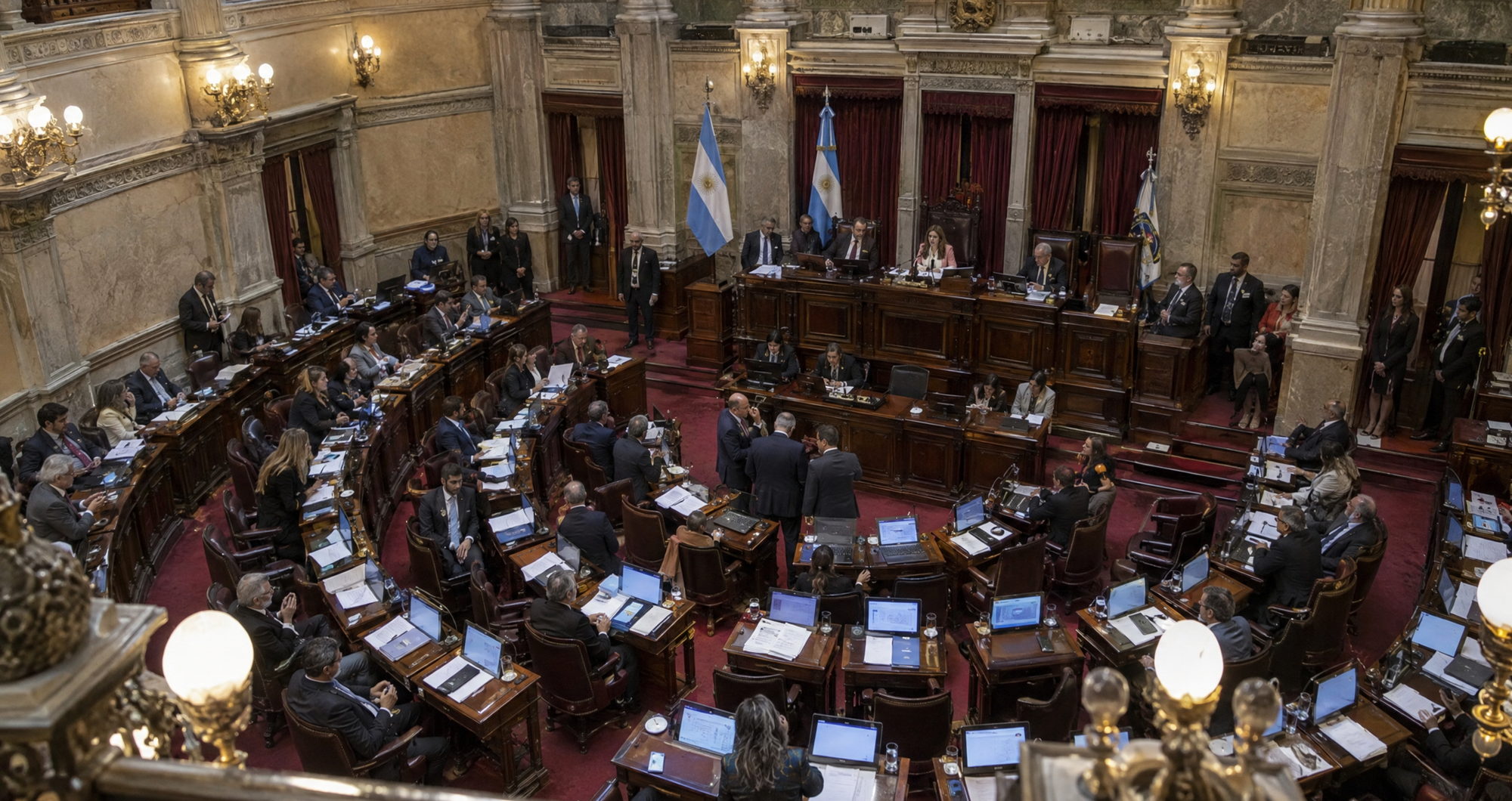

Mexico’s Senate has approved a copyright reform that would make internet platforms secondarily liable for pirated content unless they publish and enforce policies to suspend repeat infringers, sending the bill to the president for signature.
The vote was 72 to 37, with the articles approved 70 to 37 on 3 November. The lower house had passed the bill on 7 October.
What the law would do
The bill amends the Federal Copyright Law, adding provisions that create secondary liability for internet service providers and a safe harbour that applies only if a provider publishes a policy to suspend repeat infringers and incorporates it into its terms of service.
Fines would range from 5,000 to 40,000 times the daily minimum wage, roughly 586,550 to 4.69 million pesos, or between about $31,300 and $250,000, with an additional penalty of 100 to 500 times the daily wage for persistent non-compliance.
The law takes effect 180 days after publication in the Official Gazette, which has not yet been scheduled.
The argument for it
Supporters say the reform brings Mexico into line with its trade obligations, including the digital provisions of the agreement with the United States and Canada, and gives creators a remedy against platforms that profit from pirated content.
The senator for the ruling party, Emmanuel Reyes Carmona, said the law does not introduce prior censorship and is consistent with the country’s trade commitments. The bill was proposed by President Claudia Sheinbaum on 29 May.
Mexico’s creative industries have argued for years that piracy costs jobs in film, music and publishing, and that taking down individual uploads is ineffective when platforms allow the same content to reappear within hours.
The argument against
Critics say the liability regime would push platforms towards over-removal, taking down content to avoid fines rather than assessing whether a complaint is valid. That chilling effect would fall hardest on parody, criticism and political speech.
The opposition senator Gina Campuzano warned that the law could be used to hide investigations and to restrict memes, and that the threshold for suspension is vague.
Digital rights groups have made a similar point in other countries: a requirement to terminate repeat infringers, without a clear definition of infringement or a process for appeal, gives rights holders a tool that can be abused.
What happens next
The president is expected to sign the bill, given that her government proposed it. Once published, platforms will have 180 days to update their terms and processes before the liability provisions bite.
In practice, the effect will depend on enforcement. Mexican courts have limited capacity for complex copyright disputes, and the fines, while significant, are not large relative to the revenues of the largest platforms.
The more likely consequence is that platforms will introduce notice and takedown systems that satisfy the letter of the law, and that disputes will shift to how quickly content is restored when a complaint is contested. That is the pattern in every jurisdiction that has adopted a similar regime.







