
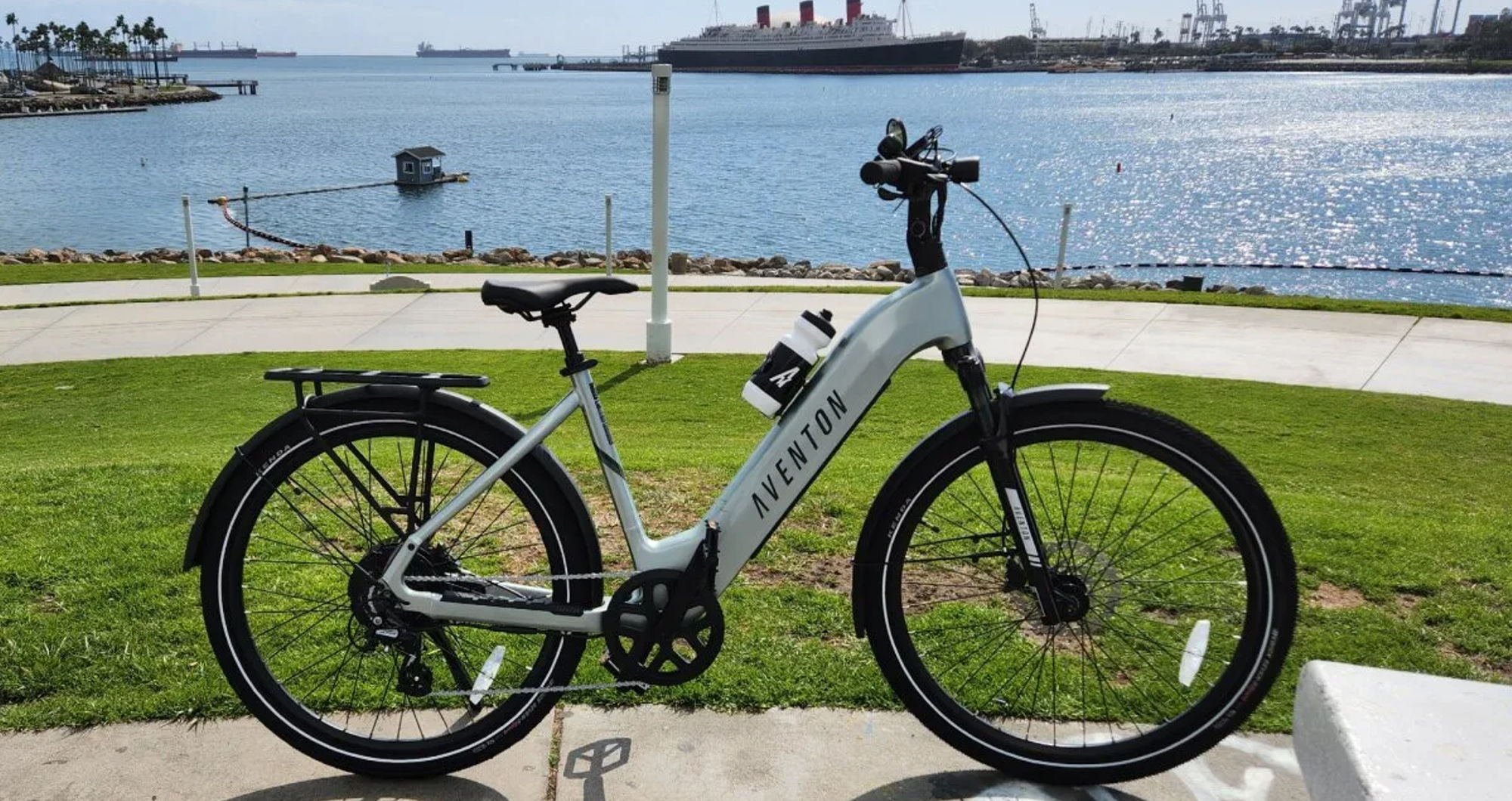

How Do Mid-Drive E-Bikes Handle Steep Hills Compared to Hub Motors?
Mid-drive and hub-motor e-bikes can both handle hills, but their different power-delivery systems affect how they perform on sustained or steep climbs. A mid-drive motor works through the bicycle’s existing drivetrain, allowing the rider to use the gears to adjust the motor’s operating conditions. A hub motor drives the wheel directly and does not use the bicycle’s gearing in the same way.
1. Mechanical Gearing and Torque Multiplication
Mid-Drive: A mid-drive motor is positioned around the bottom bracket and transfers power through the bicycle’s chain, cassette and gears. Selecting a lower gear increases the mechanical advantage at the rear wheel, which can make sustained climbs easier for both the motor and rider.
Hub Motor: A hub motor is integrated into the front or rear wheel and drives that wheel directly. Because it does not normally use the bicycle’s derailleur system to reduce the motor’s gearing, its climbing performance depends more directly on motor characteristics, battery output, wheel size and the gradient.
2. Motor Efficiency and Heat
Mid-drive systems can benefit from the bicycle’s gearing when climbing. Selecting an appropriate lower gear allows the motor to operate at a more suitable rotational speed while maintaining useful torque at the wheel. This can be particularly helpful on long climbs.
Hub motors can also perform well on hills, but prolonged operation at low road speeds and high loads can increase electrical demand and heat generation. The extent of this effect varies according to motor design, power rating, battery characteristics, rider weight and terrain.
3. Balance and Traction
A mid-drive motor places much of its additional weight near the centre of the bicycle. This can contribute to a more central weight distribution, which some riders may find beneficial when climbing or riding uneven terrain.
A hub motor adds weight directly to the wheel. On a rear-hub system, this places more mass around the rear axle, while a front-hub motor changes the weight distribution at the front. Actual traction also depends on tyre choice, suspension, rider position, surface conditions and the bicycle’s overall design.
4. Trade-Offs to Consider
Drivetrain Wear: Because a mid-drive motor sends its power through the chain and gears, these components can experience greater wear than they would on a bicycle using a hub motor.
Shifting: Riders using mid-drive systems need to select appropriate gears for the terrain. Shifting smoothly and reducing pedal pressure during gear changes can help limit unnecessary stress on the drivetrain.
Maintenance: Hub motors largely bypass the bicycle’s drivetrain, which can reduce chain and cassette wear. However, their motorised wheels can make some wheel and tyre maintenance more involved.
Summary
- Mid-Drive E-Bikes: Generally well suited to steep hills, sustained climbs, off-road riding and heavier loads when appropriately geared.
- Hub Motor E-Bikes: Often suitable for flat terrain, moderate hills and many urban commuting applications, depending on motor specification and overall bike design.
What Is the Average Lifespan of a Chain on a Mid-Drive E-Bike?
There is no single mileage figure that applies to every mid-drive e-bike chain. Lifespan can vary considerably depending on rider weight, motor torque, terrain, riding style, gear selection, weather conditions, chain quality and maintenance.
Mid-drive systems can place additional load on the chain and cassette because motor assistance is transmitted through the bicycle’s drivetrain. Riders who regularly climb steep hills or use high levels of motor assistance may therefore experience faster drivetrain wear than those riding mainly on flat roads.
Chain Wear on Higher-Torque Mid-Drive E-Bikes
The Himiway D7 Pro is one example of a high-torque mid-drive e-bike. Its configuration illustrates a general consideration that applies to this category: when substantial motor assistance is transmitted through the chain and cassette, drivetrain components may require more frequent inspection and replacement.
Rather than assuming a fixed lifespan for a particular model, owners should monitor the chain’s actual condition. A chain-wear checker can help identify elongation before it causes unnecessary wear to the cassette and chainring.
Factors That Can Affect Chain Lifespan
Motor Torque: Higher levels of motor assistance can increase the load placed on the chain and drivetrain, particularly during climbing and acceleration.
Gearing: Using an appropriate gear for the terrain can reduce unnecessary drivetrain stress. Starting or climbing in an excessively high gear can place additional load on the system.
Riding Conditions: Mud, sand, dust and water can accelerate drivetrain wear if the chain is not cleaned and lubricated regularly.
Riding Style: Frequent hard acceleration, steep climbs and shifting while applying substantial pedal pressure can increase mechanical stress.
Key Tips to Extend Chain Life
- Ease Off While Shifting: Reduce pedal pressure briefly during gear changes so the chain and cassette can engage more smoothly.
- Use Appropriate Gearing: Select lower gears for steep climbs rather than relying on a high gear with maximum motor assistance.
- Monitor Chain Wear: Check the chain periodically with an appropriate chain-wear tool and replace it when it reaches the manufacturer’s recommended wear limit.
- Keep the Drivetrain Clean: Regular cleaning and suitable lubrication can help reduce friction and contamination.
- Use Compatible Replacement Parts: Choose a chain and drivetrain components that are compatible with the bicycle’s gearing and e-bike system.
Can You Retroactively Convert a Standard Bicycle Into a Mid-Drive E-Bike?
Yes, some standard bicycles can be converted into mid-drive e-bikes using aftermarket conversion kits. Examples include systems from manufacturers such as Bafang, Tongsheng and CYC.
A conversion motor generally replaces or integrates with the bicycle’s existing bottom-bracket and crank arrangement, while using the rear drivetrain for gearing.
Compatibility Requirements
1. Bottom Bracket Shell
The bottom-bracket standard and shell width must be compatible with the selected conversion system.
- Standard threaded bottom brackets are compatible with some conversion kits.
- Fat bikes and bicycles with wider bottom brackets may require a specific motor configuration.
- Press-fit and less common bottom-bracket standards may require additional adapters or may not be suitable for a particular kit.
- The manufacturer’s compatibility specifications should be checked before purchasing a conversion system.
2. Frame Material and Clearance
The frame must provide sufficient space around the motor and bottom bracket. Steel and aluminium frames are commonly used with conversion systems, while carbon frames require particular caution because of the forces applied around the bottom-bracket area.
Clearance around the motor, chainstays and downtube should also be checked before installation.
3. Battery Placement
The battery is commonly mounted within the main frame triangle, although the available mounting position depends on the bicycle and battery design. Frame clearance should be measured before selecting a battery.
4. Braking System
Adding an electric motor and battery increases the overall weight of a conventional bicycle. The existing braking system should therefore be assessed to ensure it is appropriate for the converted bike’s expected speed, weight and riding conditions.
Key Trade-Offs
| Advantage | Consideration |
|---|---|
| Gear Utilisation: Uses the bicycle’s drivetrain to adapt motor output to different terrain | Drivetrain Wear: Motor assistance can increase wear on chains and cassettes |
| Central Weight Distribution: Motor placement can keep additional weight near the centre of the bicycle | Installation Effort: Conversion generally requires bottom-bracket and crank removal |
| Flexible Power Delivery: Appropriate gearing can improve climbing performance | Compatibility: Frame, bottom-bracket and drivetrain standards must match the conversion system |
| Pedal-Assist Integration: Some systems can provide responsive assistance based on rider input | Additional Components: Battery, wiring and controls add complexity to the bicycle |
Gear Sensor Recommendation
A gear or shift sensor can be useful on some mid-drive conversion systems. It briefly reduces motor assistance during gear changes, potentially reducing the load placed on the chain and cassette.
Does a Mid-Drive Motor Drain the E-Bike Battery Faster?
Not necessarily. Battery consumption depends on the motor system, battery capacity, terrain, rider weight, riding speed, assist level, tyre pressure and gear selection. Under suitable conditions, a mid-drive can make effective use of the bicycle’s gearing, particularly on hills.
Why Mid-Drives Can Be Efficient
- Uses the Bicycle’s Gears: A mid-drive can take advantage of lower gears during climbs, allowing the motor to provide assistance without relying solely on high electrical output at low wheel speeds.
- Power Delivery: Many modern mid-drive systems use sensors to adjust assistance according to rider input, although the exact system varies between models.
- Terrain Adaptation: Selecting an appropriate gear can help the motor operate more effectively across changing gradients.
When a Mid-Drive Might Use More Battery
- High Assist Levels: Continuous use of high assistance can significantly increase energy consumption.
- Heavy Loads: Carrying additional weight requires more energy, particularly on climbs.
- Poor Gear Selection: Using an unsuitable high gear on a steep climb can increase the load on the motor.
- Frequent Acceleration: Repeated starts and rapid acceleration generally require more energy than steady riding.
Mid-Drive vs. Hub Motor Battery Efficiency
| Factor | Mid-Drive Motor | Hub Motor |
|---|---|---|
| Hilly Terrain / Heavy Loads | Can benefit from bicycle gearing | Performance depends more directly on motor and battery characteristics |
| Flat, Steady Cruising | Can be efficient at a suitable cadence and assist level | Can also be efficient during steady cruising |
| Gear Sensitivity | Gear selection affects how motor power is transferred | Motor operates independently of the bicycle’s gear selection |
What Are the Maintenance Differences Between Mid-Drive and Hub-Drive Motors?
The main maintenance difference is where motor power enters the bicycle. A mid-drive system sends motor assistance through the bicycle’s drivetrain, while a hub motor delivers power directly through the wheel.
| Maintenance Factor | Mid-Drive Motor | Hub-Drive Motor |
|---|---|---|
| Drivetrain Wear | Higher potential for chain and cassette wear because motor power passes through the drivetrain | Lower motor-related drivetrain wear because the motor bypasses the chain and cassette |
| Rear Flat-Tyre Repairs | Generally similar to a conventional bicycle, depending on the bike design | Can require additional care because the wheel contains the motor and electrical connections |
| Spoke and Wheel Maintenance | Conventional wheel maintenance, subject to the bicycle’s design | Motorised wheels can place additional demands on spokes and wheel components |
| Motor Servicing | Depends on the motor design and manufacturer’s maintenance requirements | Depends on whether the hub is geared or direct-drive and on the manufacturer’s design |
| Shifting | Appropriate gear selection and smooth shifting are important under motor assistance | Motor operation is largely independent of bicycle gear selection |
Key Maintenance Routines
Mid-Drive
- Check chain wear periodically.
- Replace worn chains before excessive wear affects the cassette and chainring.
- Keep the drivetrain clean and lubricated.
- Reduce pedal pressure when shifting under motor assistance.
- Use appropriate gears for steep climbs and heavy loads.
Hub-Drive
- Check spoke tension and wheel condition periodically.
- Inspect motor cables and electrical connections for damage or looseness.
- Follow the manufacturer’s instructions for wheel removal and motor maintenance.
- Keep tyres correctly inflated and inspect them regularly for wear or damage.







