


Relocating an office can be likened to playing Tetris, but with desks, chairs, and electronics instead of blocks, it only involves much more complex calculations than that. Although the prospect of moving can bring excitement, the reality of moving is far different. It requires meticulous planning, impeccable coordination, and teamwork to be completed successfully.
Planning: The Necessary Evil
Careful preparation before packing even one box or unrolling tape dispensers is crucial. This step goes far beyond simply choosing where items belong. It involves orchestrating timing, personnel, and resources. There may also be floor plans to study, moving companies to evaluate, and budgets to allocate, and any mistakes could lead to chaos. Furthermore, keep an eye out for emotional impacts on staff, as uprooting from familiar work environments can cause anxiety, so effective communication throughout can ease anxieties while setting clear expectations on both ends.
The Packing Crux
Consolidating an entire office move can be frustrating and complex. Every piece of equipment, folder, and coffee mug must have a place and function. Labelling becomes your best friend here as you ensure nothing is misplaced in the shuffle. Categorise items accordingly to prevent anything from being misplaced, so your IT department doesn’t end up searching desperately for server cables on move-in day. Fragile items require special care in packing to prevent damage to them. Pro tip: Pack non-essential items first before prioritising daily necessities when packing for move-in day.
Different Types of Boxes
When it comes to moving an office, selecting the appropriate boxes can make all of the difference. Different items need different kinds of containers for transport. Here are some important types:
- Standard Cardboard Boxes: If you need to store items securely, these cardboard boxes are your go-to solution. Available in various sizes and sturdy enough to protect files, books and general office supplies.
- Wardrobe Boxes: Perfect for transporting office attire and uniforms without getting wrinkled during transport. These tall boxes include an integrated bar for hanging clothes directly from your closet.
- Electronics Boxes: Created specifically to safeguard sensitive equipment such as computers, monitors, and printers, electronics boxes offer extra padding or foam inserts for extra cushioning and protection.
- File Boxes: Relocating an office involves moving many documents. File boxes are specially designed to accommodate standard folders and documents, making organisation much simpler.
- Dish Pack Boxes: These thicker boxes provide ample cushioning and come equipped with dividers to keep items separate.
- Custom Crates: For large or valuable items like equipment or artwork that requires extra protection, custom crates may provide optimal solutions. As each one can be designed specifically to the dimensions of its contents, ensuring maximum protection is offered.
Utilising appropriate boxes not only aids in organising your move, but it can also protect office belongings from being damaged during transit.
The Logistics Labyrinth
Once everything is in its proper place, moving logistics are next in line for scrutiny. Scheduling trucks for transporting boxes or furniture requires booking services like moving truck rentals. Elevator reservations should also be arranged as needed, and parking spots need to be coordinated with precision. Professional movers can make the process seamless by expertly manoeuvring heavy furniture through tight stairwells and protecting precious cargo during transit. Be sure to inform clients and service providers of your new address. No one wants their mail sent directly to an empty office. Furthermore, ensure employees understand the role they will play in facilitating this transition, communication is the cornerstone of successful office relocation.
Settling In: Unpacking the Future
Once all your boxes have arrived at their new homes, unpacking can be both exciting and exhausting work. Unpacking sets the tone for your new office culture and productivity. Use this opportunity to reassess and optimise the workspace layout. Prioritise setting up essential services like the internet and phone lines in order to reduce downtime. Make employees feel welcome by hosting welcome breakfasts or team-building activities during this transitional stage. Take this time as an opportunity to clear out clutter. Moving is a chance for a fresh start, so take full advantage.
The Aftermath: Adapting to Change
As with any major transition, an office move can be disruptive and stressful for both you and your team. To minimise disruption and ensure smooth transitioning, give everyone time to adjust. Lower expectations temporarily to allow flexibility as everyone settles into their new surroundings. Promote open dialogue to discuss any challenges or concerns as soon as they arise, and be proactive about finding solutions for them. Keep an open mind, embrace changes with an open heart, and adapt as necessary.
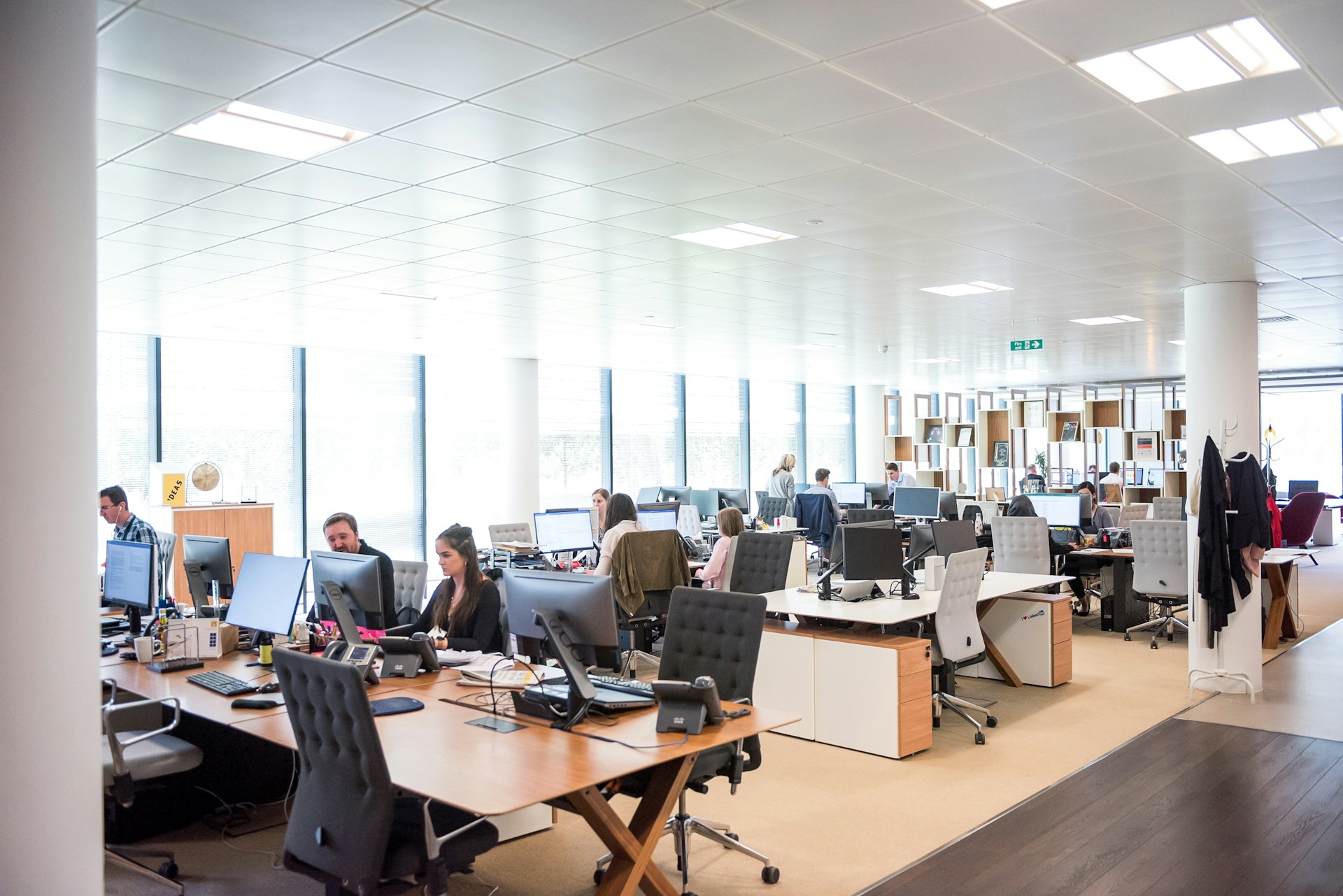
Image by Arlington Research on Unsplash – https://unsplash.com/@arlington_research
Conclusion
Although frustrating in nature, an office move can bring positive transformation. It provides an opportunity to start fresh with improved facilities and foster team spirit among your colleagues. While relocating may pose temporary inconveniences, embrace it with an organised plan, resilient team members, and soon you may find that moving will open up new vistas for productivity in the days to come.
Feature image by Annie Spratt on Unsplash







