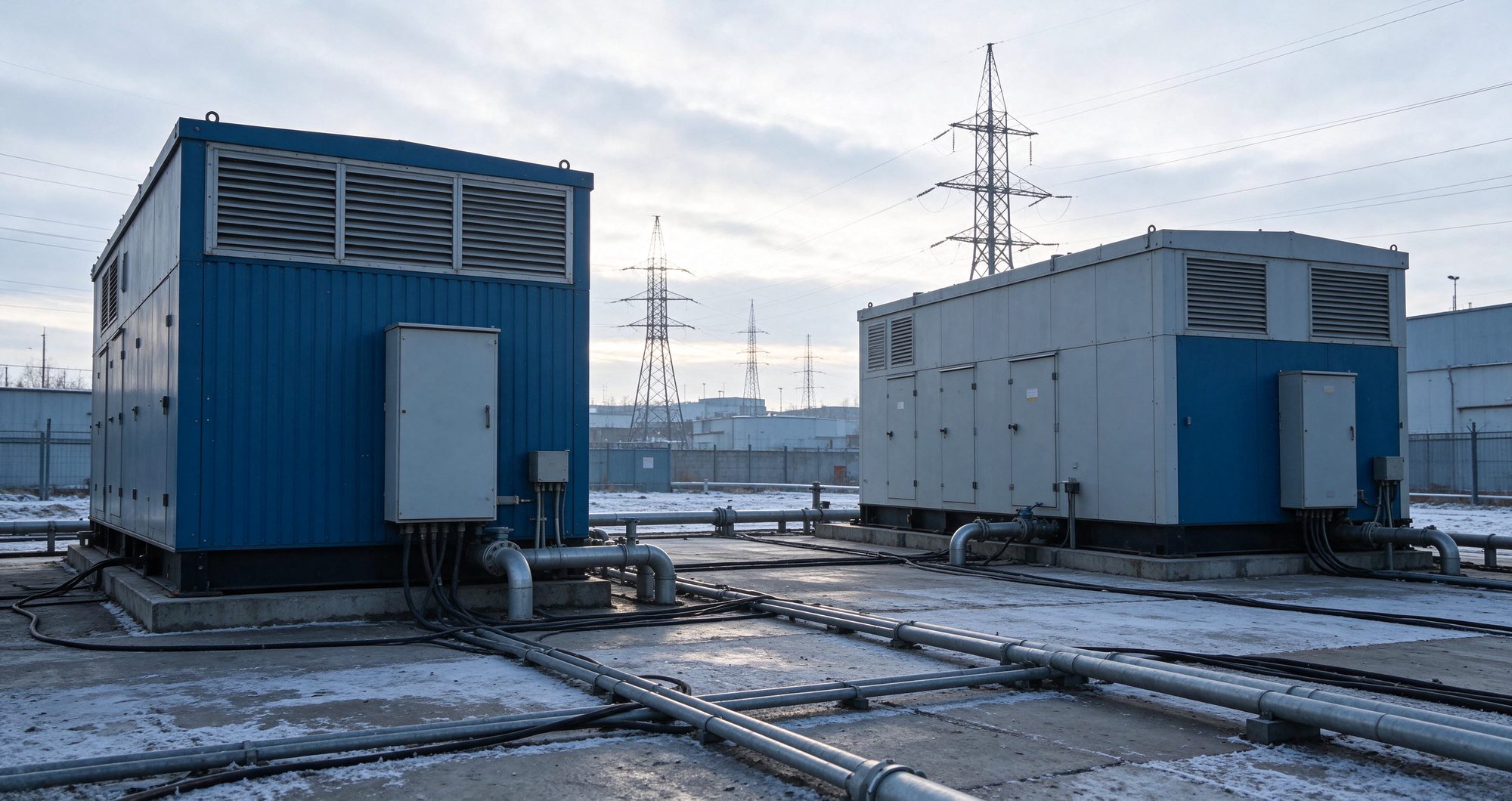

Negotiations with Russia and Ukraine are seeking a ninth temporary local ceasefire around the Zaporizhzhya nuclear power plant so that its external electricity connection can be repaired. The facility is relying on emergency diesel generators while cutting fuel consumption, including by suspending on-site heating.
The plant lost its connection to the 330-kilovolt Ferosplavna-1 line at 05:28 local time on 25 November. That was its sole remaining external power connection, leaving emergency equipment to supply electricity for essential nuclear safety and security functions.
This is the 28th occasion during the conflict on which the plant has had to rely on emergency diesel generators. The six-reactor facility is under Russian control and is not generating electricity. All six units are in cold shutdown, but electrical power is still needed to cool nuclear fuel and maintain essential safety systems.
Repair talks cover two important connections
The proposed ceasefire would be a temporary, local arrangement to allow work on the electricity infrastructure. It is not a wider ceasefire in the war. Arrangements for the ninth pause are still being negotiated; a completed agreement or restoration of the external supply has not been confirmed.
The immediate objective is to repair the Ferosplavna-1 line and reconnect the plant to an off-site supply. Its dependence on that single connection has left the facility vulnerable to another complete loss of external electricity whenever the line becomes unavailable.
Repair negotiations also concern the 750-kilovolt Dniprovska line and its associated substation. The associated substation also requires repair. The line itself was repaired during a sixth temporary local ceasefire in June, but further damage was subsequently identified.
The Dniprovska line and substation are important parts of the plant’s electricity infrastructure. Restoring them remains a separate repair challenge alongside the immediate effort to recover the Ferosplavna-1 connection, rather than work that has already been completed.
Fuel conservation changes plant operations
Four emergency diesel generators started automatically when the external supply was lost. They were the generators in automatic standby from a total of 19 available at the facility. Two have since been switched off to conserve diesel, leaving two operating in the current configuration.
On-site heating has also been suspended to reduce fuel consumption, despite temperatures at the plant falling as low as 0C during the week. The conservation measures affect conditions for staff as well as the way safety-related equipment is operated.
Available diesel is estimated to be sufficient for more than ten days with two emergency generators operating in the current configuration. That estimate is conditional on the operating arrangement and is not a confirmed deadline for fuel exhaustion. The availability and location of fuel stocks remain under assessment, with further clarification being sought after varying information over recent months.
All reactor heat-removal pumps have been shut down as part of the conservation measures. Only the spent-fuel pool cooling pumps for units 1 and 6 are currently operating.
Coolant temperatures remain within normal operational limits, although they are rising. Pumps will therefore need to be restarted periodically to keep temperatures within safe limits. The reduced operation of equipment does not remove the need for cooling or for monitoring diesel stocks and consumption.
The repair effort comes amid continuing pressure on Ukraine’s nuclear electricity infrastructure. Other nuclear power plants have experienced fluctuations in output because of grid instability, including the loss of multiple external power lines.
At Zaporizhzhya, restoring external electricity remains the immediate objective while emergency generators maintain essential functions. The fuel-conservation measures are operating alongside, rather than replacing, negotiations to secure access for repairs.