
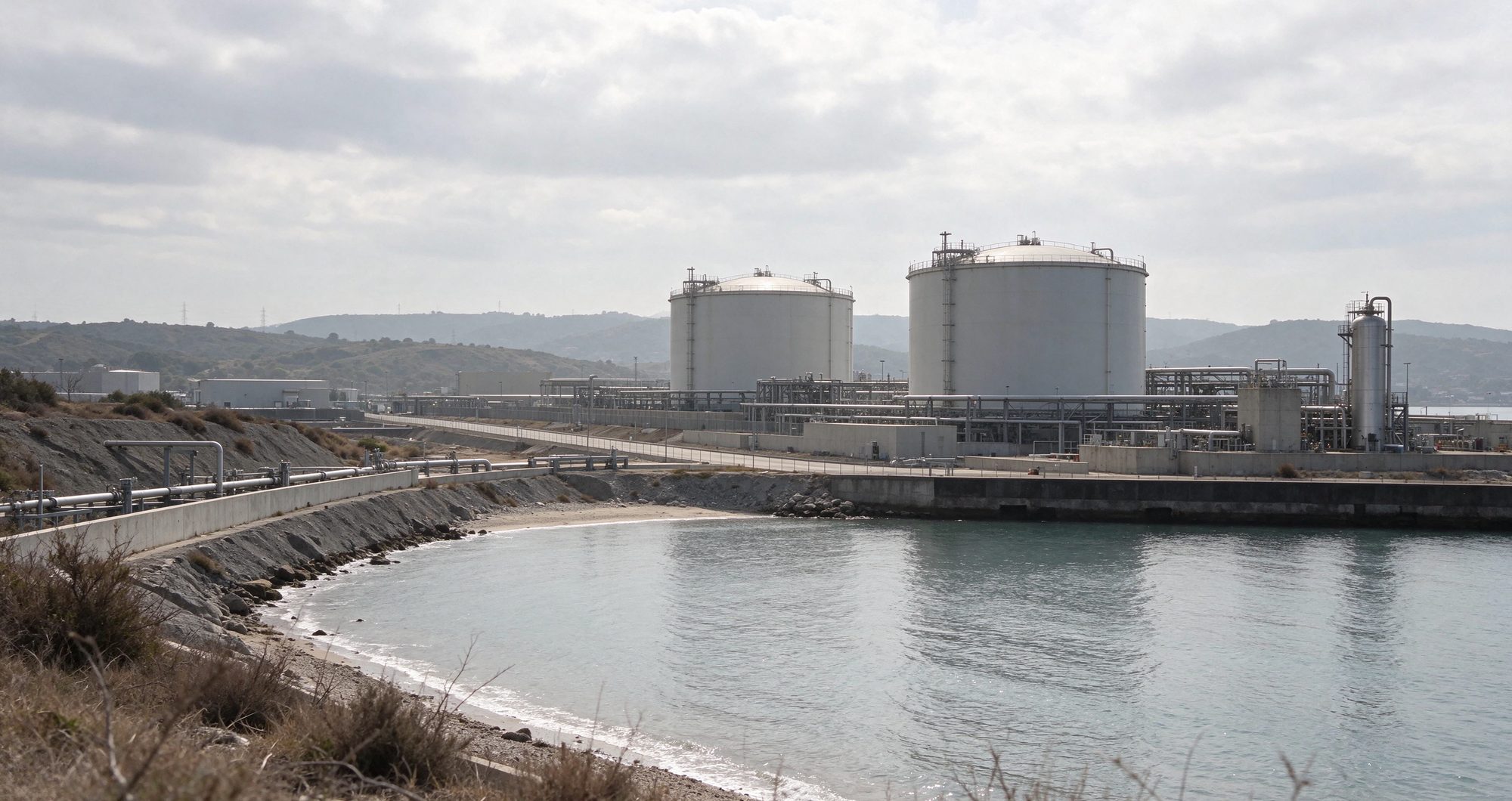

Australia’s parliament has passed a national gas reservation scheme requiring liquefied natural gas exporters to supply more of their gas to the domestic market from 2028, as the government seeks to tackle high prices and concerns over supply.
The legislation completed its passage on Friday, 27 November. Under the scheme, exporters will be required to supply up to 20 per cent of their gas exports to Australian buyers, according to a joint statement from the resources, energy and industry ministers.
The government says the framework will support more reliable supplies and put downward pressure on prices for households and businesses. Industry representatives have raised concerns that its implementation could prolong uncertainty and discourage investment in additional gas production.
Domestic supply obligations begin in 2028
The scheme’s export licensing framework will start on 1 January 2027, with the domestic supply obligation taking effect on 1 January 2028. Ministers said the later start for supply requirements was designed to align with industry contracting cycles.
The policy aims to create a domestic surplus equivalent to 110 per cent of forecast demand. The government can adjust the targets in response to market conditions. Existing LNG export contracts are not subject to the new policy.
Resources Minister Madeleine King said the additional gas would put downward pressure on prices and give businesses and producers greater certainty to plan and invest. She said the framework sought to balance Australia’s responsibilities as a trading partner with the energy needs of domestic industry.
King has declined to specify a target gas price, saying such a figure could become a price floor. The government’s expectation of cheaper gas is therefore an intended outcome of the scheme, rather than a guaranteed price reduction written into the policy.
Energy Minister Chris Bowen said secure and affordable gas was important both for household costs and for supporting renewable electricity generation. Industry Minister Tim Ayres said greater certainty over supply and prices would help manufacturing firms invest and expand.
Industry questions investment incentives
The changes affect east-coast LNG export projects operated by Origin Energy, Shell and Santos. Australia is the world’s second-largest LNG exporter, supplying much of its exported gas to north-east Asia.
A Shell spokesperson objected on Friday to a policy that could require producers to sell gas below production costs into a substantially oversupplied market. That is the company’s assessment of a possible consequence, not an established effect of the legislation.
Industry concerns also centre on the government’s discretion to influence the market and the requirement that exporters sell gas domestically, rather than simply offer it on reasonable terms. Producers have said they prefer the approach used in Western Australia.
The Coalition did not oppose the legislation, although it raised concerns about incentives for new projects. Shadow Resources Minister Susan McDonald said the opposition wanted reliable and affordable gas alongside policies that encouraged more production and investment.
Western Australia retains its own scheme
Western Australia is largely exempt from the national policy because it already operates a 15 per cent gas reservation scheme and is not connected to the east-coast gas market.
The price gap between the two markets has helped frame the debate. Figures attributed to the Australian Competition and Consumer Commission show an average Western Australian domestic gas price of A$7.45 per gigajoule in 2024-25, compared with east-coast long-term contracts at about A$12 to A$13 per gigajoule.
The government says its national framework follows a gas market review and extensive consultation. With the supply obligation due to begin in 2028, exporters and domestic users will now prepare for new contracting requirements while ministers retain flexibility over the scale of the intended surplus.







