
According to the British Association of Aesthetic Plastic Surgeons, there has been a 67% rise in the number of people having rhinoplasties.
The days of associating rhinoplasty, or the colloquial ‘nose job’ with brutal techniques involving hammers and chisels, black eyes, significant plastering on the face and months of recovery away from public sight, are long gone. Today, advancements in ultrasound technology have revolutionised the rhinoplasty – significantly reducing discomfort, swelling and bruising. These advancements, together with patients being able to resume their normal activities within six weeks, have contributed to the procedure’s growing popularity.
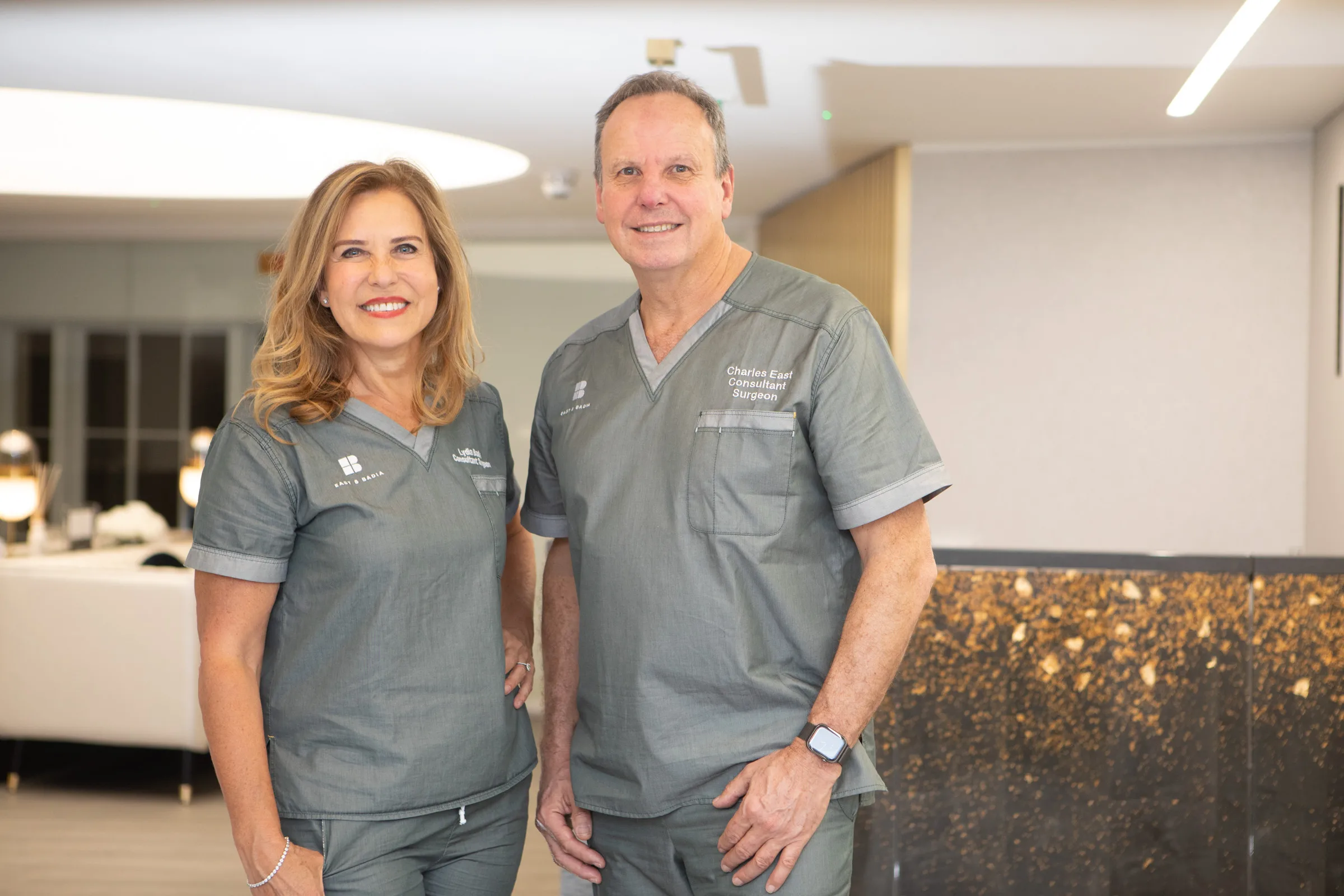
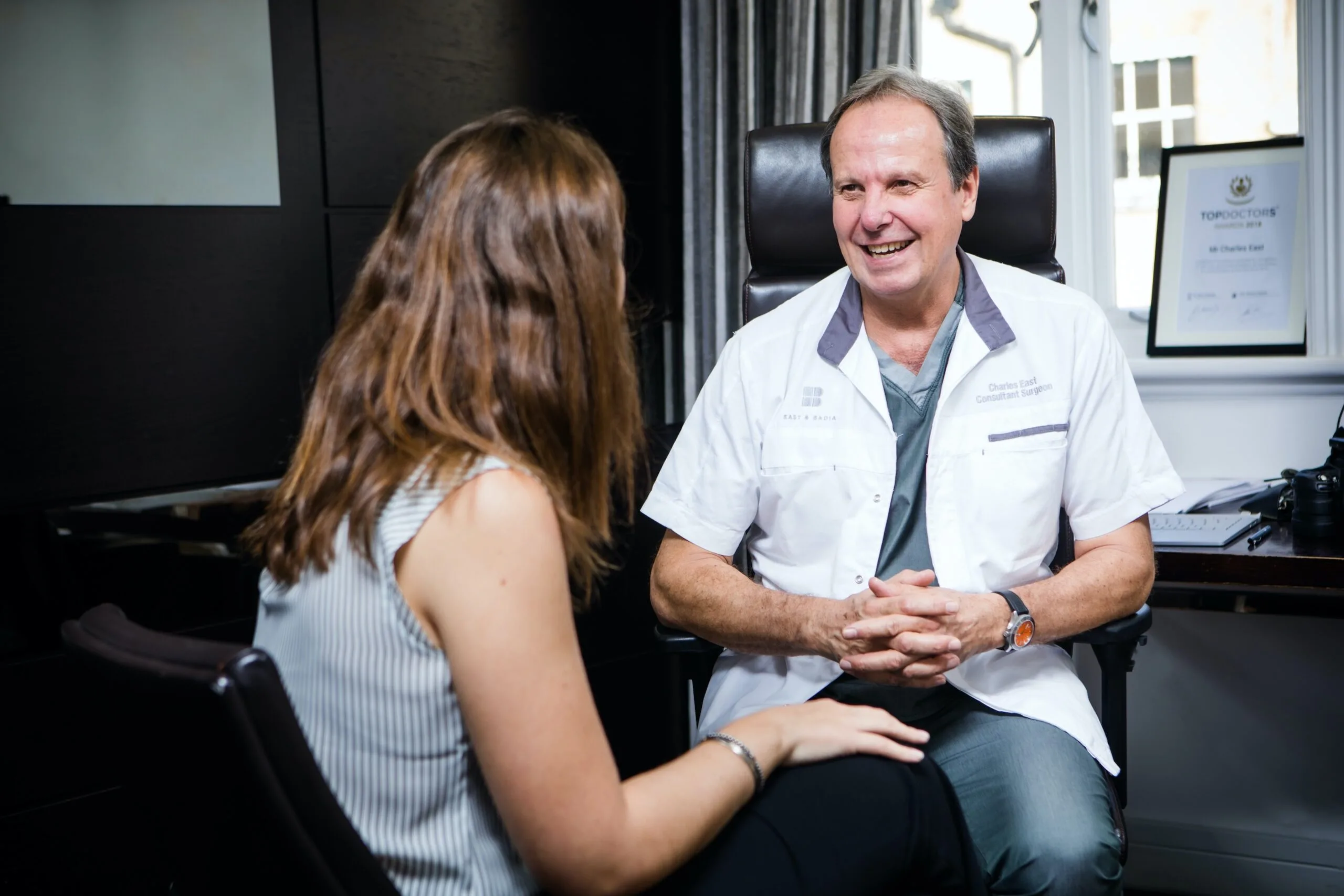
Mr Charles East and Ms Lydia Badia, co-founders of Rhinoplasty London are the leading specialists in the UK. Held in the highest esteem by both their medical peers and patients, their celebrity clientele includes members of the royal family as well as rugby player and Strictly Come Dancing contestant Ben Cohen.
Commenting on this remarkable rise in popularity, Ms Badia, Consultant Surgeon in Rhinology & Facial Plastics explains “Rhinoplasty was previously a very invasive and crude procedure. It was often performed quickly and blindly from inside the nose with large, heavy instruments. Consequently, patients would suffer significant bruising, facial swelling and discomfort.”


“Historically, rhinoplasty was frequently performed in conjunction with other surgical procedures. Patients would often request, ‘While you’re performing my breast and facial surgery, can you also do my nose?’ We see currently that more individuals are opting for rhinoplasty as a standalone treatment. This shift has extended the procedure from 30 minutes, to approximately two and a half hours.
“When more time is allocated to the procedure, it allows for greater precision, resulting in less trauma. The additional time allows the surgeon to respect the correct tissue planes, preserving natural tissue ligaments, minimising disruption to the skin’s envelope, culminating in a much more stable outcome.”
“We now possess a deeper understanding of the facial microanatomy, enabling a more accurate application. The evolution of technique includes the Diamond Rhinoplasty, which uses ultrasound for greater precision and minimising damage.”
“This revolutionary method – which uses fine delicate tips to move nasal bones without breaking or shattering them – will result in less bruising and faster healing. The nasal bones can be sculpted accurately, preserving the surrounding soft tissues, providing a very natural looking result. This major advancement known as Piezo ultrasonic remodelling, was pioneered by an Independent Rhinoplasty Research Group in 2014 and remains one of the most reliable techniques, creating smooth, symmetrical nasal bridges and reshaping nasal bones – without the need for a hammer and chisel!”
In recent years the popularity of the non-invasive ‘liquid nose job’ has also surged. The procedure involves using fillers to reshape the nose, appealing to many due to its non-surgical nature, shorter recovery time and lower cost. However, Mr Charles East, a Consultant in Otolaryngology, Rhinology and Facial Plastic Surgery and co-founder of Rhinoplasty London explains why this trend is so concerning.
“UK law currently allows anyone to administer filler without specific qualifications, or medical training.” Mr East warns, “This means anyone can inject filler in the nose, despite the high risk of complications. Most cosmetic doctors I know are extremely wary of injecting noses because of the intricate tissue planes, barriers and blood vessels which make this procedure potentially hazardous.”
Ms Badia adds, “If anything goes wrong, the consequences are severe. Complications can include tissue necrosis (tissue death), vascular issues, and even vision loss, including blindness.”
Rhinoplasty London have treated patients who previously had liquid noes jobs and experienced severe complications, such as life-threatening airway obstruction due to infected or migrating fillers.